Agriculture
Kamias: An Underutilized Fruit With Promising Agricultural And Food Processing Potential in Aklan.

By John Dela Cruz
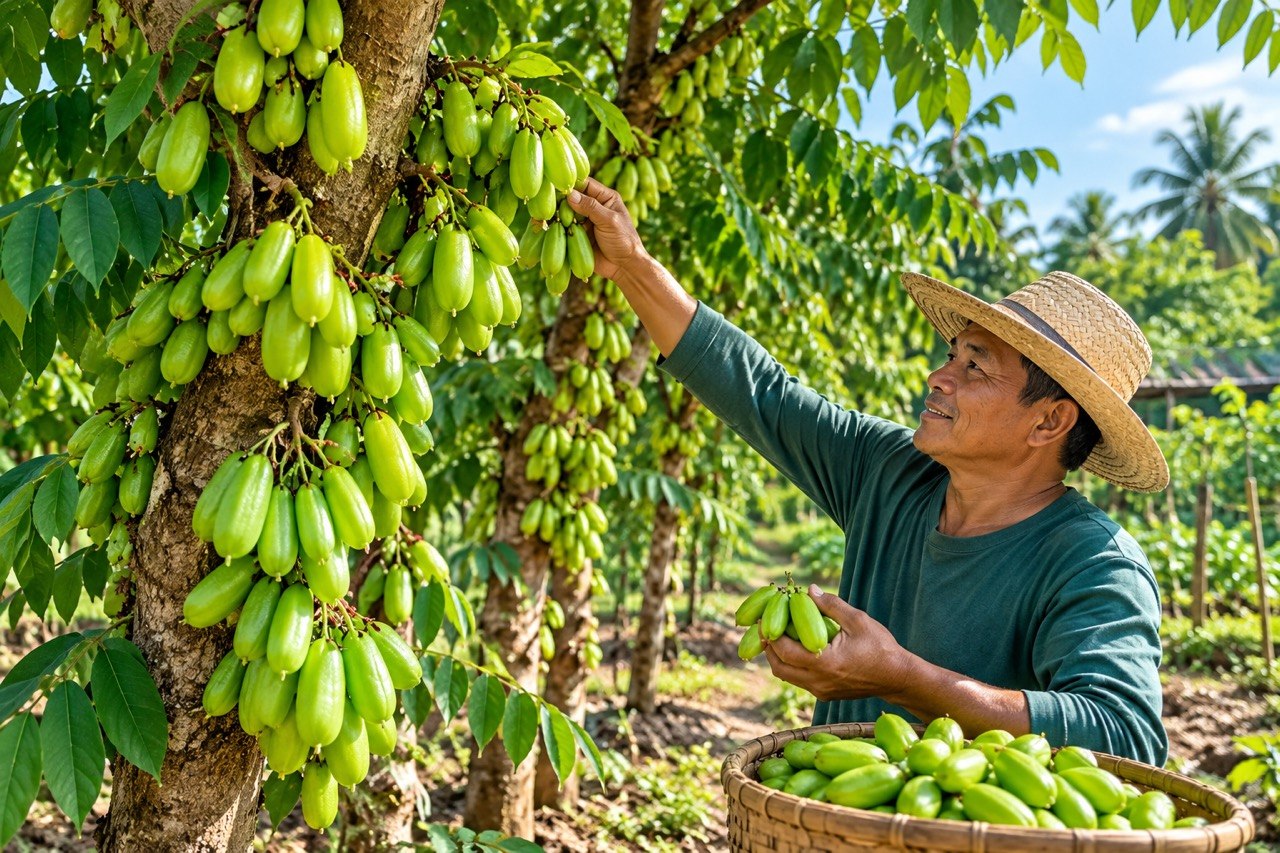
KALIBO Aklan- Kamias (Averrhoa bilimbi), locally known as iba, is a familiar tropical fruit found in many Filipino backyards. Despite its abundance, this highly acidic fruit remains largely underutilized as a commercial agricultural crop and food processing ingredient.
The kamias tree can grow up to 15 meters tall and produces clusters of elongated green fruits directly from its trunk and branches. It thrives in tropical environments and is well adapted to the climatic conditions of Aklan and other provinces in Western Visayas.
Traditionally, Filipinos use kamias as a natural souring agent for sinigang, paksiw, and other local dishes. However, its distinctive acidity presents opportunities for developing innovative food and beverage products.
In the beverage industry, kamias can be processed into refreshing juice drinks, concentrates, syrups, and flavored beverages. Blending kamias with calamansi, pineapple, mango, or honey could create distinctive tropical refreshments with commercial potential.
For food processing, kamias offers possibilities for jams, jellies, candies, pickles, sauces, marinades, and dried souring ingredients. Its natural acidity could also complement seafood products and Filipino-inspired condiments.
For Aklan, kamias presents an opportunity for agricultural diversification. Farmers could cultivate the tree in backyard gardens, coconut plantations, and mixed-crop farms. Its suitability for small-scale cultivation makes it attractive to rural households and community-based enterprises.
Local food manufacturers could establish purchasing arrangements with farmers, creating additional income while developing value-added products.
However, commercial development requires research on suitable varieties, fruit yield, processing methods, shelf life, and consumer acceptance. Its high oxalic acid content also requires appropriate formulation and food safety evaluation.
Kamias could become an important ingredient in Aklan’s emerging food processing industry. With agricultural research, product innovation, and market development, this familiar backyard fruit could evolve into a commercially valuable crop supporting farmers, food entrepreneurs, and the province’s growing pasalubong industry.