Environment
Global Day of Action for Climate Justice: Thousands Mobilize Across Asia Demanding COP31 Deliver Systemic Change Towards Climate Justice

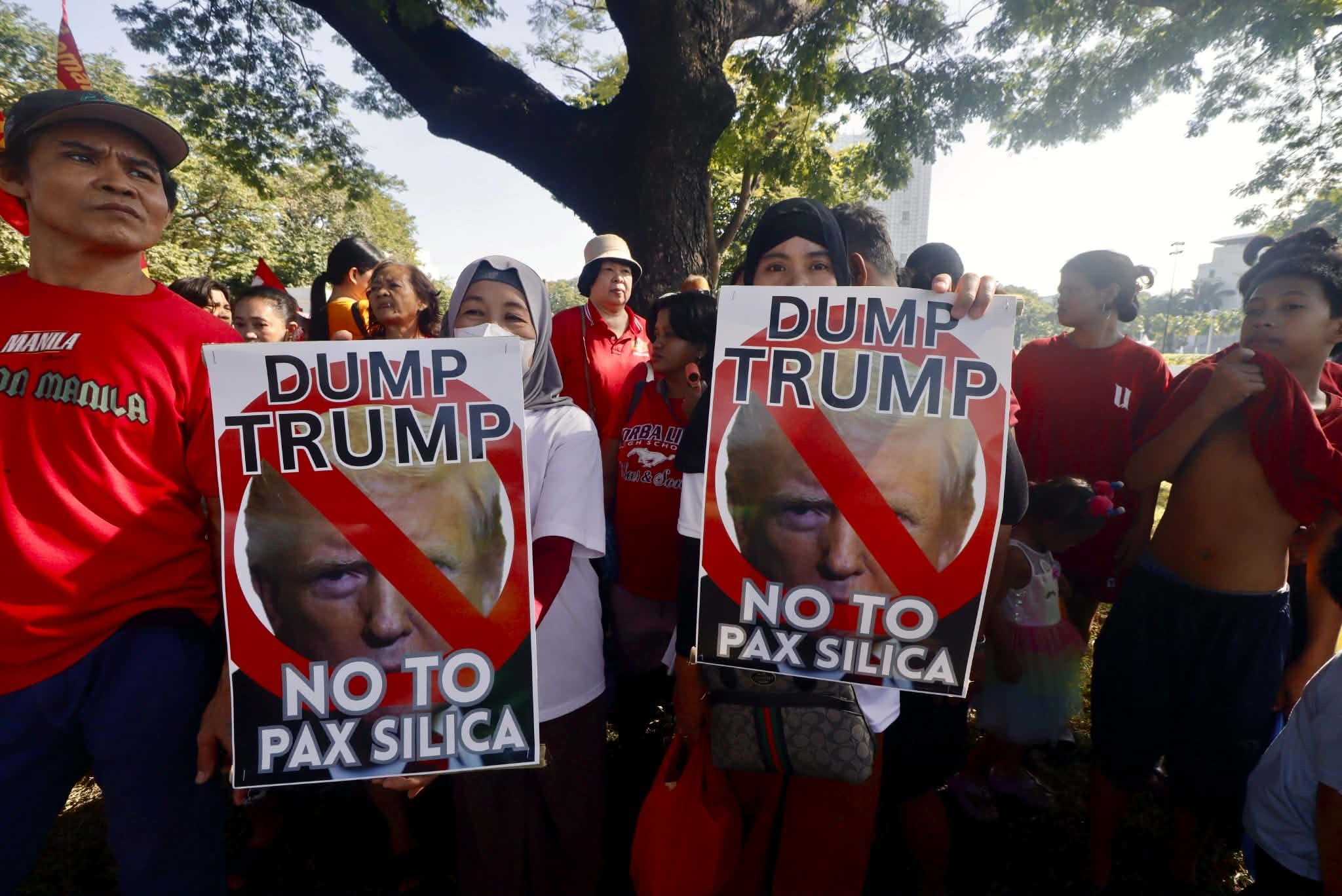

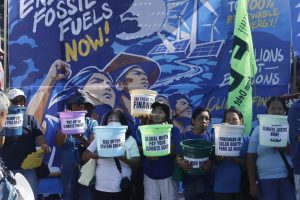
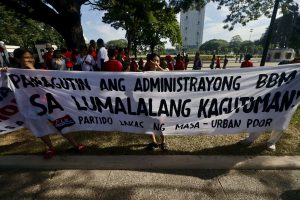
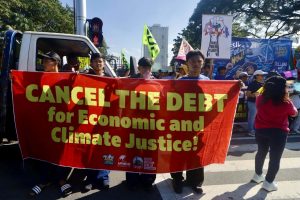
Activists, climate-affected communities, and urban poor marched to the US embassy in Manila on November 14, 2026 to demand the Global North deliver climate reparations in commemoration of Super Typhoon Yolanda and ahead of a visit by US President Donald Trump.
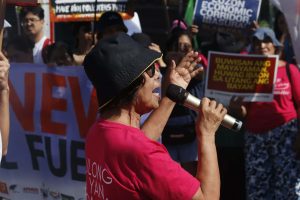
The protest march is part of the Global Day of Action for Climate Justice, a globally-coordinated demonstrations coinciding with the end of the first week of 31st United Nations Climate Change Conference (COP31) in Antalya, Turkiye.
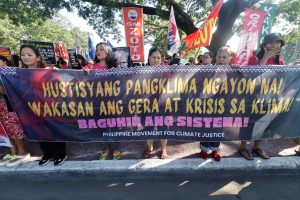
The protests in Asia, led by member organizations of the Asian Peoples’ Movement on Debt and Development (APMDD) in Bangladesh, Pakistan, India, Nepal, and the Philippines, raised the demands of climate-vulnerable communities towards developed nations who are failing to meet their obligation to address the worsening climate crisis.
The Global Day of Action is being held as the world is set to face a Super El Niño that threatens the lives and livelihoods of communities across Asia, underscoring the need for immediate climate action.
Lidy Nacpil, coordinator of APMDD, said: “Two reports recently released by UNEP have established that we are set to breach the 1.5°C threshold by the 2030s. The UNEP acknowledges that ‘decades of insufficient climate action’ have brought us to this point. We must be clear about who and what have brought us to this critical historical juncture and who bear the greatest responsibility. .”
“The failure of Global North countries to meet even the minimum of their fair shares based on historical responsibility and capacity is already having drastic impacts on humanity, as we’ve seen in the terrible floods in Pakistan in 2022, the rising number of Super Typhoons battering Southeast Asia annually, the recent glacial collapse and flooding in Nepal, and now a Super El Niño threatening the lives of millions,” Nacpil added.
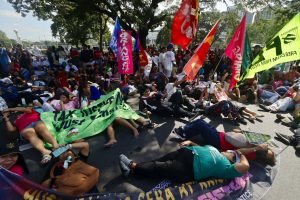
Emphasizing what’s necessary to address the crisis, Nacpil stressed that “COP31 and all future climate action must have accountability at its center. Countries like the United States, the United Kingdom, and other developed countries must be held accountable through all necessary legal and political measures and be compelled to deliver reparations to the Global South for their both historical and continuing harms.”
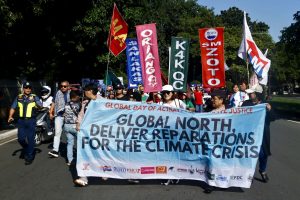
In Bangladesh, Waterkeepers Bangladesh held bicycle rallies in 11 locations: In India, the National Hawker Federation (NHF) and All India Women’s Hawker Federation mobilized in over 40 locations, drawing attention to the crisis’s impact on hawkers across the country. Nadi Ghati Morcha, a grassroots mass organization, also organized in Chhattisgarh calling for climate justice for indigenous communities. Mining-affected communities, led by mines, minerals, and PEOPLE (mm&P), also conducted a mass action in Bolangir, Odisha.

Speaking on the struggles of the average hawker in India, Saktiman Ghosh, the Secretary General of the NHF said “We, the street vendors, are on the frontlines of the climate crisis. Every day of extreme heat, flooding and unpredictable weather threatens our ability to earn a living and feed our families. We cannot be expected to bear the cost of a crisis created by big polluters and corporate greed. At COP31, we demand that wealthy countries deliver adequate climate finance to the Global South, in the form of public grants and not debt-creating loans.”
“We demand a publicly funded Just Transition that protects livelihoods, guarantees social security and puts workers and informal communities at the centre of climate action. There can be no climate justice without livelihood justice, and no Just Transition without public finance and the rights of working people.” Ghosh concluded.
“Mining communities are joining this mobilisation because we know what it means to pay the price for an extractive model of development. Our lands, forests and rivers are exploited for corporate profits, while communities face displacement, pollution, loss of livelihoods and growing climate vulnerabilities. We refuse to let the climate transition become another excuse for land grabs and corporate expansion. At COP31, we demand that wealthy countries deliver public climate finance to the Global South, through grants and not debt, and that a Just Transition be publicly funded and shaped by the communities most affected” said Rebbapragada Ravi, founder of mines, minerals and PEOPLE. “The future cannot be built by sacrificing the people and ecosystems that sustain us. Our resources are not corporate property, and our future is not for sale. There can be no climate justice without community rights and control over our resources.”
In Pakistan, demonstrations were held in two of its major cities: the Pakistan Kissan Rabita Committee led hundreds in Lahore and the Pakistan Fisherfolk Forum similarly led hundreds in Karachi.
Nepal, having recently faced massive flooding which claimed more than a thousand lives, conducted a mobilization in the heart of Kathmandu with the General Federation of Nepalese Trade Unions, Rural Reconstruction Nepal, LDC Watch, and South Asia Alliance for Poverty Eradication.
Even with the recent release of the UNEP report which states that the world is currently on-track to go past the 1.5°C threshold set under the Paris Agreement many countries still continue to engage in coal and gas expansion including Turkiye and Australia who is co-hosting and co-presiding COP31. APMDD, along with movements from all over the world are attending the climate conference to urge governments to take urgent climate action and deliver necessary climate finance and to rapidly undertake an equitable global just transition to prevent the impending overshoot of 1.5°C.
“Pakistan is among the countries suffering the gravest consequences of a climate crisis it has contributed very little to creating. From devastating floods and displacement to rising temperatures and the destruction of agricultural livelihoods, it is our farmers & peasants who are paying the highest price,” said Farooq Tariq, Executive Committee of the Pakistan Kissan Rabita Committee on how COP31 must look to those most affected by the Global North’s refusal to deliver climate reparations.
Tariq concluded with “Yet, instead of protecting these communities, the government is pursuing corporate farming, handing over land and water resources to powerful corporate interests, and deepening the very inequalities that make our people vulnerable to climate disasters.” /30