Lifestyle
From Kagubot to Nationhood in National History Conference

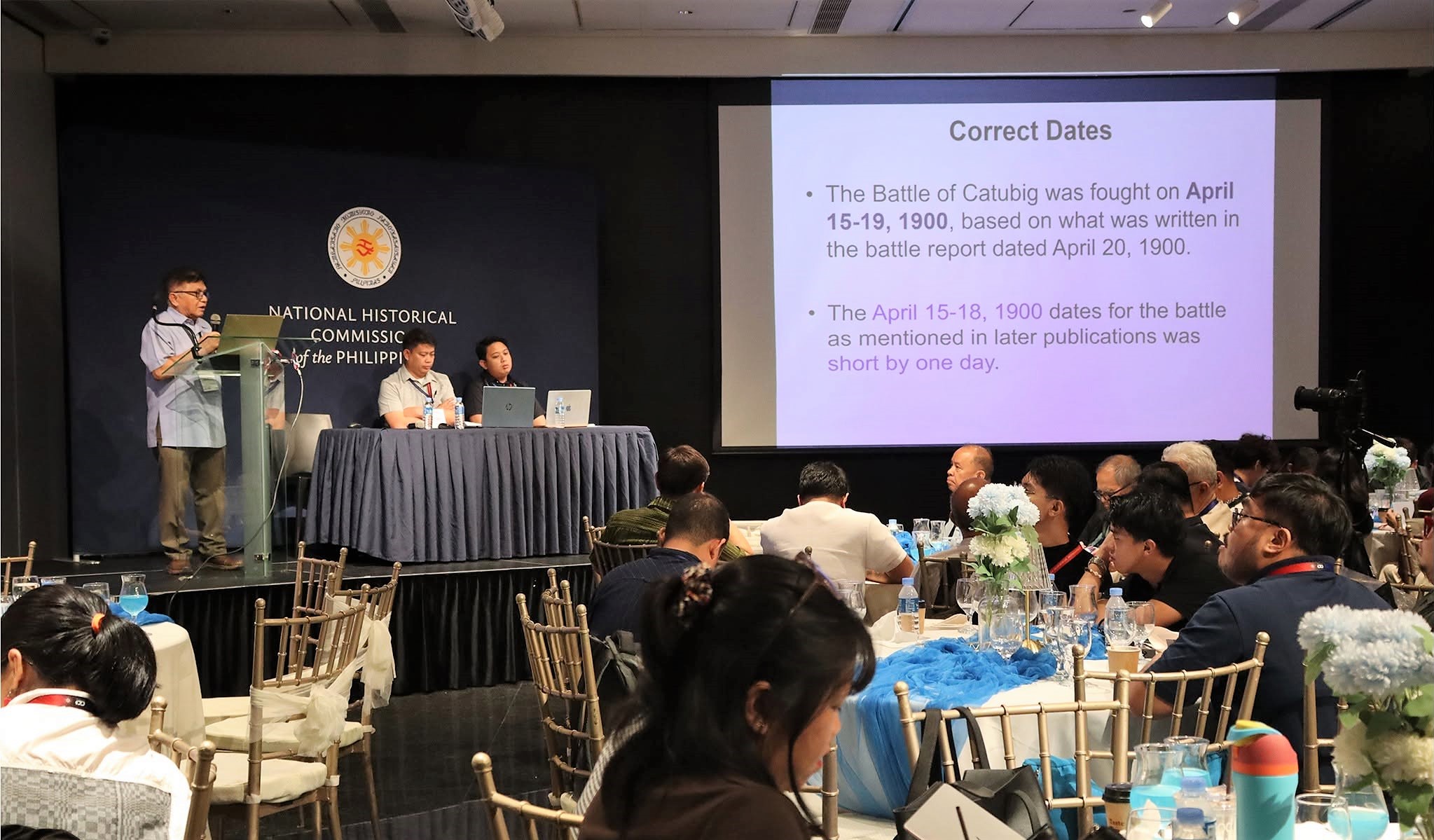
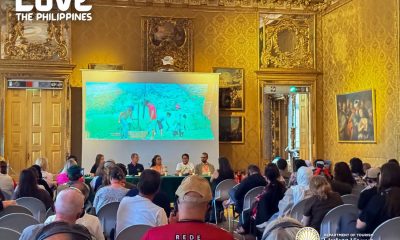
Amid contemporary political noise and national division, a powerful reminder of regional bravery emerged to reshape our national narrative. The National Historical Commission of the Philippines, in partnership with the Ayala Foundation and Ayala Museum, successfully concluded “Panagriing, A Nation Still Rising: The Closing Conference of the 125th Anniversary of the Philippine Independence and Nationhood 2023-2026.”
The landmark event officially capped off the three-year commemoration of #PH125. While named after the Ilocano term for “arising,” the conference served as a vital platform for decentralizing Philippine history, moving far beyond the traditional, Luzon-centric narratives to honor the crucial revolutionary struggles of the Visayas.
For too long, mainstream historical discourse has focused heavily on the events surrounding the capital. Panagriing challenged this imbalance by dedicating rigorous scholarship to the 1898–1901 campaigns across Leyte, Samar, Cebu, and Iloilo. Moderated by NHCP Museum Researcher Drew Ashley Paige L. Rabadon, the Visayas session brought regional victories and sacrifices in focus.
Dr. Rolando O. Borrinaga of University of the Philippines Manila provided a deep historiographical inquiry into the fierce resistance during the Philippine-American War in Leyte and Samar.
Meanwhile, Atty. Bryner L. Diaz of the Cebu City Cultural and Historical Affairs Office presented “Kagubot: Sugboanong Pakigbisog alang sa Kaugalingnan ug Kagawasan” (Revolution: A Cebuano Quest for Freedom and Independence), highlighting the unique spirit of pakigbisog (struggle) that defined Cebu’s fight against foreign rule.
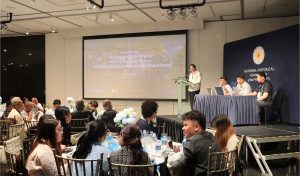
On the other hand, Asst. Prof. Kyle Philip M. Ravena of UP Visayas revisited local revolutionary milestones, analyzing the pivotal role of Santa Barbara and the liberation of Iloilo in forging the bedrock of Philippine nationhood.
The conference demonstrated that the Visayan spirit did not exist in a vacuum, but it was part of a larger, interconnected tapestry of resistance spanning the entire archipelago. Scholars also mapped out struggles across other regions.
Presentations shed light on the fierce Maranao resistance to Spanish occupation and the profound significance of the first official raising of the Philippine flag in Northern Mindanao. In addition, researchers also tracked the revolutionary path from the lowlands of Kawit to the rugged Cordilleras, examining the final fighting moments of the First Republic.
Discussions explored the diplomatic agency of the Hongkong Junta and the Mindanao chiefly elite, alongside modern efforts by museums, libraries, and the arts to keep these histories accessible for future generations.
By gathering over 20 distinguished historians and scholars, the event offered a resounding antidote to historical revisionism. The rigorous archival research presented proved that modern challenges regarding governance, sovereignty, and national identity are simply new iterations of a long, ongoing history of local resilience.