Lifestyle
From Negros to Panay : Philippine Slow Food Travel Experience Shared at Terra Madre 2026

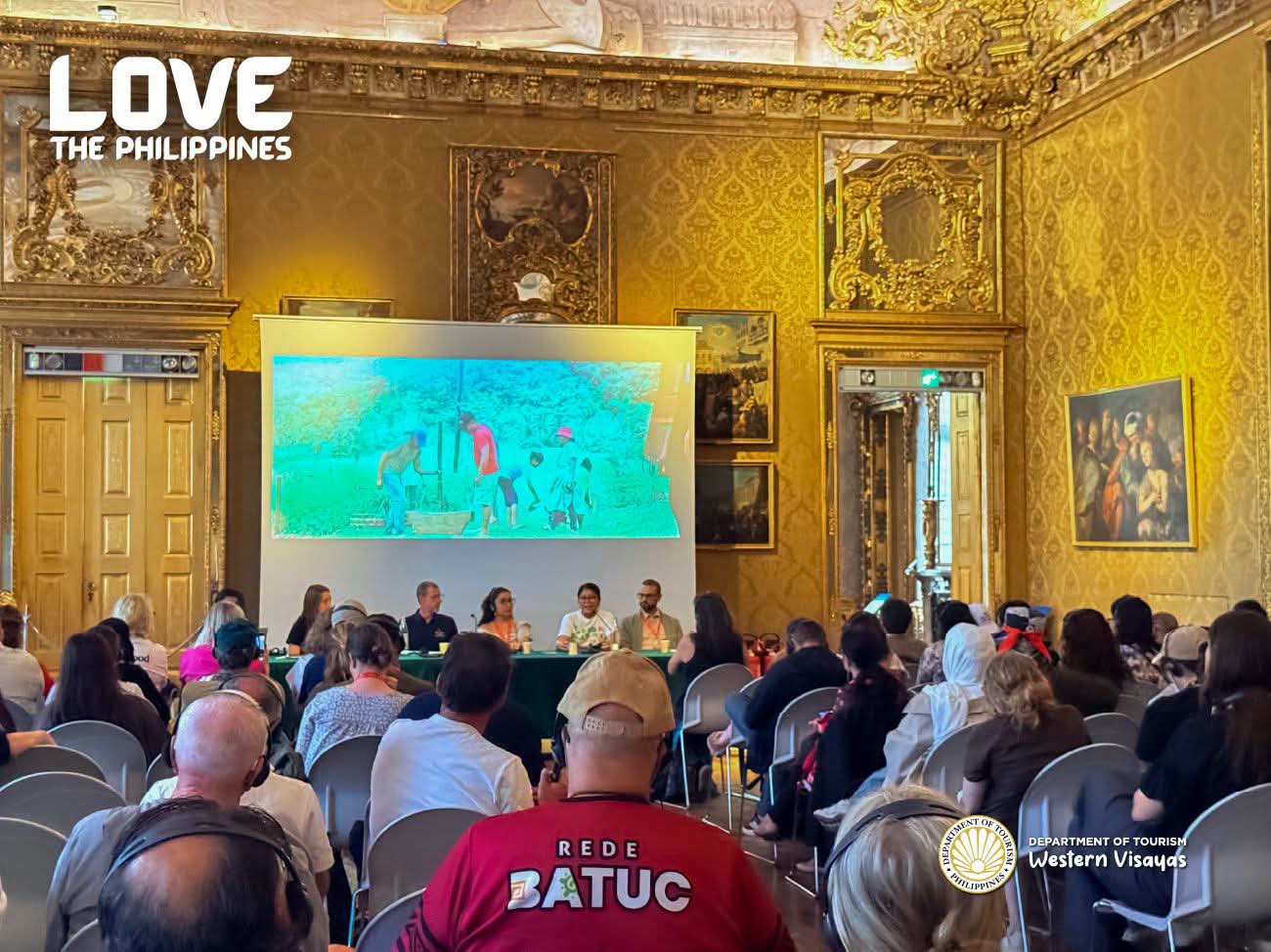
TURIN, ITALY — The Philippine experience in developing Slow Food Travel took center stage at Terra Madre Salone del Gusto 2026 as Department of Tourism Regional Director Crisanta Marlene P. Rodriguez joined the international panel discussion, “Slow Food Travel: Benefits for Destinations and Local DMOs.”
Drawing from the pioneering experience of Negros, Rodriguez shared a simple but important principle behind the Philippine approach: communities already have the story.
Long before these places became tourism experiences, farmers were growing and preserving local crops, fishers were protecting coastal resources, cooks were keeping traditional recipes alive, and communities were passing knowledge and practices from one generation to the next.
The role of tourism, she explained, is not to create something artificial for visitors, but to help communities share what is already authentic and meaningful.
“We do not need to manufacture authenticity. It already exists in our communities. Our role is to help visitors encounter it respectfully and to ensure that communities benefit from sharing their own stories.”
Through Slow Food Travel, visitors are encouraged to go beyond tasting local food. They meet the farmer, fisher, producer, or cook behind it; understand the landscape and biodiversity that sustain it; and appreciate why particular ingredients and traditions matter to the identity of a place.
The Negros experience has since provided an important model for the continuing development of community-based food tourism in other parts of the Philippines.
For Western Visayas, the next chapter is unfolding across Panay Island, where efforts are underway to identify and strengthen community experiences built around local food heritage, biodiversity, producers, and traditional knowledge in Iloilo, Guimaras, Capiz, and Aklan.
In Aklan, this momentum is being reinforced by new applications related to the establishment of Slow Food communities, creating opportunities for more local producers, food advocates, and communities to become part of the wider Slow Food movement.
Rodriguez stressed, however, that expansion does not mean copying the Negros experience.
“We are not trying to replicate one itinerary everywhere. What we want to replicate is the process—mapping what a place has, listening to its communities, identifying what is worth protecting and sharing, building local capacity, and connecting these authentic experiences to the tourism market.”
For DOT Western Visayas, this approach opens opportunities to develop tourism experiences that are distinctly rooted in place—whether through Panay’s farms, coastal communities, indigenous and traditional foodways, local markets, heritage products, or the people who continue to safeguard them.
The discussion reinforced the potential of Slow Food Travel not only as a tourism product, but as a platform for community empowerment, biodiversity conservation, cultural preservation, livelihood generation, and destination differentiation.
From the pioneering work in Negros to the emerging community experiences across Panay, the Philippine journey continues—one community, one food story, and one destination at a time.