Environment
WTE incineration project in Smokey Mountain is a ticking bomb under Phileco

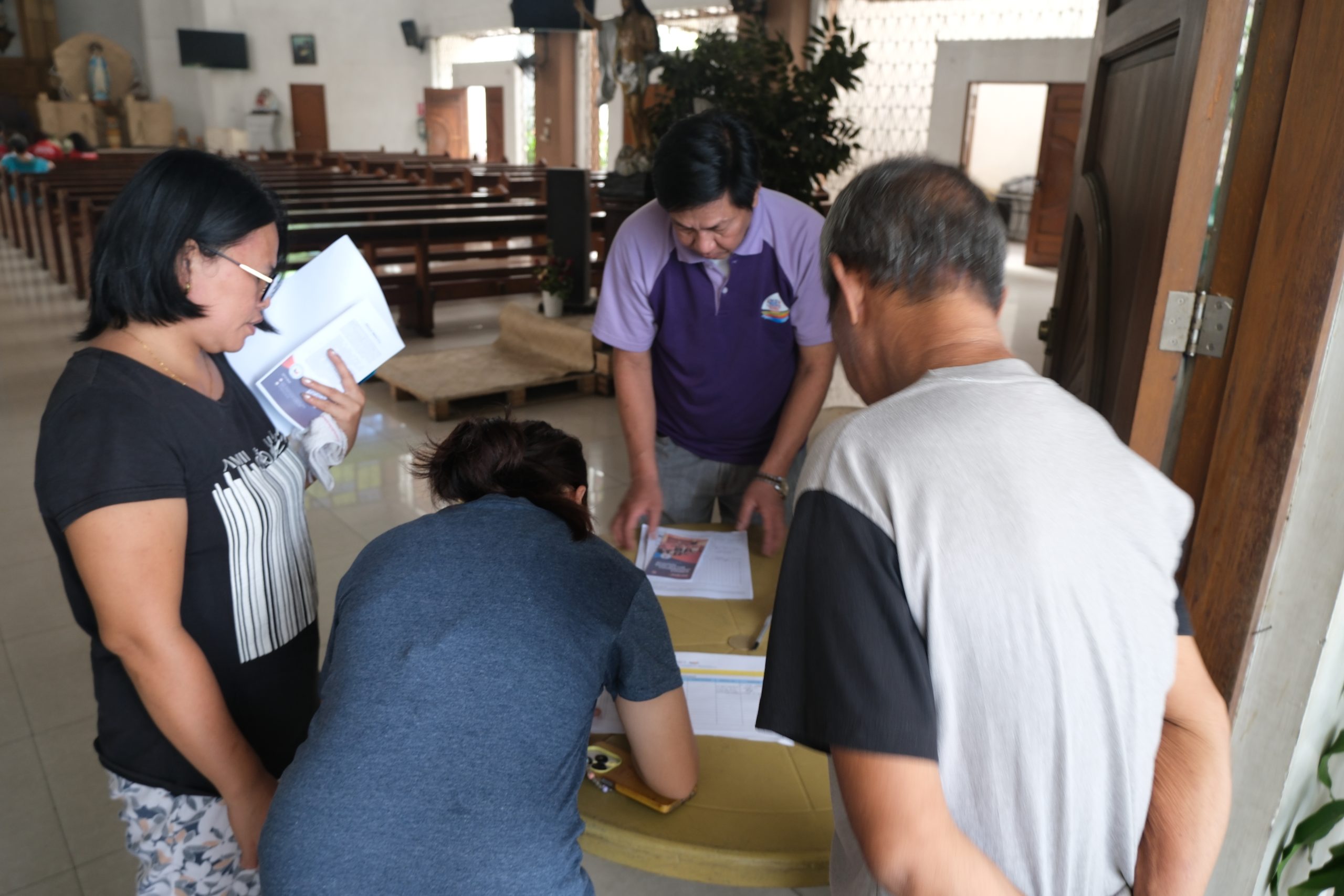
Civil society groups shared their concerns on PhilEco’s cases of environmental crimes, making its proposed 100MW Waste-to-Energy incinerator project in Smokey Mountain a future “Waste-to-Disempowerment” power plant in a discussion organized by the National Anti-Poverty Commission to shed light on the potential impacts of the project on poverty
PhilEco is a major player in the waste management sector and is also under raps for ignoring its accountabilities in the Navotas landfill fire after nearly two decades of operating the site. Since 2022, the Environmental Management Bureau in Metro Manila has issued 10 notices of violation against PhilEco, including violations related to the Clean Water Act, Clean Air Act, Ecological Solid Waste Management Act, and its environmental compliance certificate. In 2017, DENR also suspended Phileco’s operation in Vitas Marine Loading Station for disposing of untreated leachate from compacted solid waste into Manila Bay,
Advocates said the Navotas landfill fire should serve as a warning against allowing the same corporate actors and waste management logic in pushing marginalized sectors in Smokey Mountain and other marginalized communities to further poverty.
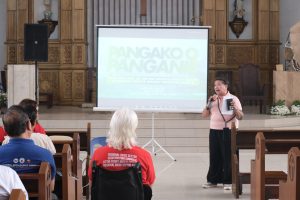
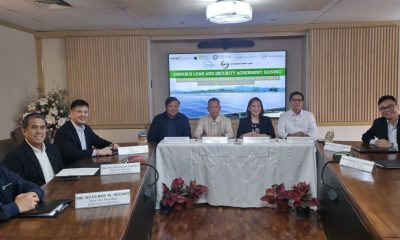
The dialogue brought together council members from the 14 basic sectors of NAPC in NCR, along with residents, youth, students, and partner organizations. Participants discussed WTE not only as a waste and energy proposal but also as part of a wider pattern of failed waste governance, weak regulation, corporate impunity, and environmental injustice affecting poor and frontline communities.
In his opening remarks, NAPC Secretary Lope B. Santos III, delivered through Ms. Joy Bacon of the NAPC Secretariat, emphasized the importance of evidence-based dialogue and the meaningful participation of basic sectors in policies affecting their lives and communities.
Chinito Reel I. Casicas, President of Youth for Better Baseco and the proponent of the Talakayan, framed the activity as a youth-led contribution to an intergenerational discussion on sustainable development, environmental rights, and just energy transition.
During the context-setting session, Mayang Azurin of GAIA Asia Pacific said that the WTE incineration project betrays the policy objective of providing decent living conditions to the urban poor, which was the spirit of Proclamation 39. Azurin highlighted reported ongoing forced evictions, intimidation, the absence of relocation, and illegal ongoing site preparations without even obtaining the required environmental impact assessment and environmental certificates being undertaken by Phileco.
Dr. Michelle Reyes of Health Care Without Harm focused on the scientific impacts and health risks of WTE, including respiratory infections, adverse birth outcomes, adverse impacts on brain development and lung function, obesity, asthma, otitis media, cancers, and increased mortality.
Meanwhile, Brex Arevalo of GAIA Asia Pacific emphasized the economic and social costs of WTE, especially for waste workers and poor communities.
“The local and international evidence is resoundingly clear that WTE incineration makes the poor poorer and drives cities into debt. What will happen to the tens of thousands of waste workers in Manila if all of the waste is used to feed the WTE facility? The mere 420 jobs promised by Manila Integrated Environment Corporation (MIEC) to run the plant will do almost nothing to help the community, which will certainly bear the brunt of toxic pollution. We are already deep into an oil, energy, and debt crisis. Why sink us deeper into it?” said Arevalo.
For EcoWaste Coalition, the proposed WTE facility in Smokey Mountain reflects a broader crisis in waste governance. “The problem in Smokey Mountain is not only a local concern. It is a national waste governance issue,” said Shey Levita of EcoWaste Coalition.
Greenpeace highlighted solutions to the waste crisis. “Solutions must be humane and rooted in the real needs and rights of affected communities. Reuse systems and renewable energy can help, and real renewable energy does not burn waste, depend on plastic, or endanger communities,” said Eunille Santos of Greenpeace.
Community leaders from Smokey Mountain also called for urgent action to stop projects that may further harm their communities.
“Pigilan po natin ang mga pasilidad na makakasira sa komunidad at maglalagay sa marami sa panganib,” said Anora Madrid of Samahan ng Maralita sa Smokey Mountain.
“[English] Let us stop facilities that will harm communities and put many people at risk,” Madrid said.
Representatives from the court receiver came, but they neither responded nor denied the questions and issues raised by the speakers and communities.
The Talakayan ended with extensive discussions on ongoing violations in Smokey Mountain and other communities from WTE projects, holding polluters and negligent operators accountable, and finding solutions prioritizing waste prevention, source segregation, reuse, composting, support for waste workers, and community-led zero waste systems.
Given the seriousness of the environmental, health, social, and economic issues raised during the dialogue, the basic sectors of NAPC NCR will pursue a follow-up forum with community leaders and civil society organizations. Relevant government agencies, including the Department of Energy, Department of Science and Technology, Department of Health, and National Housing Authority, as well as the MIEC, will also be invited to ensure that concerns about the project are properly addressed.