Commentary
Boracay’s Invisible Backbone: Addressing the Plight of the Island’s Informal Sector

By Dr. Jimmy Bernabe Maming
Behind the postcard-perfect white sands, world-class luxury resorts, and multi-billion-peso
revenues of Boracay Island lies an uncomfortable, systemic paradox. While international
accolades celebrate the island as a premier global destination; a vital segment of its foundational
workforce remains structurally marginalized and economically vulnerable. The informal economy
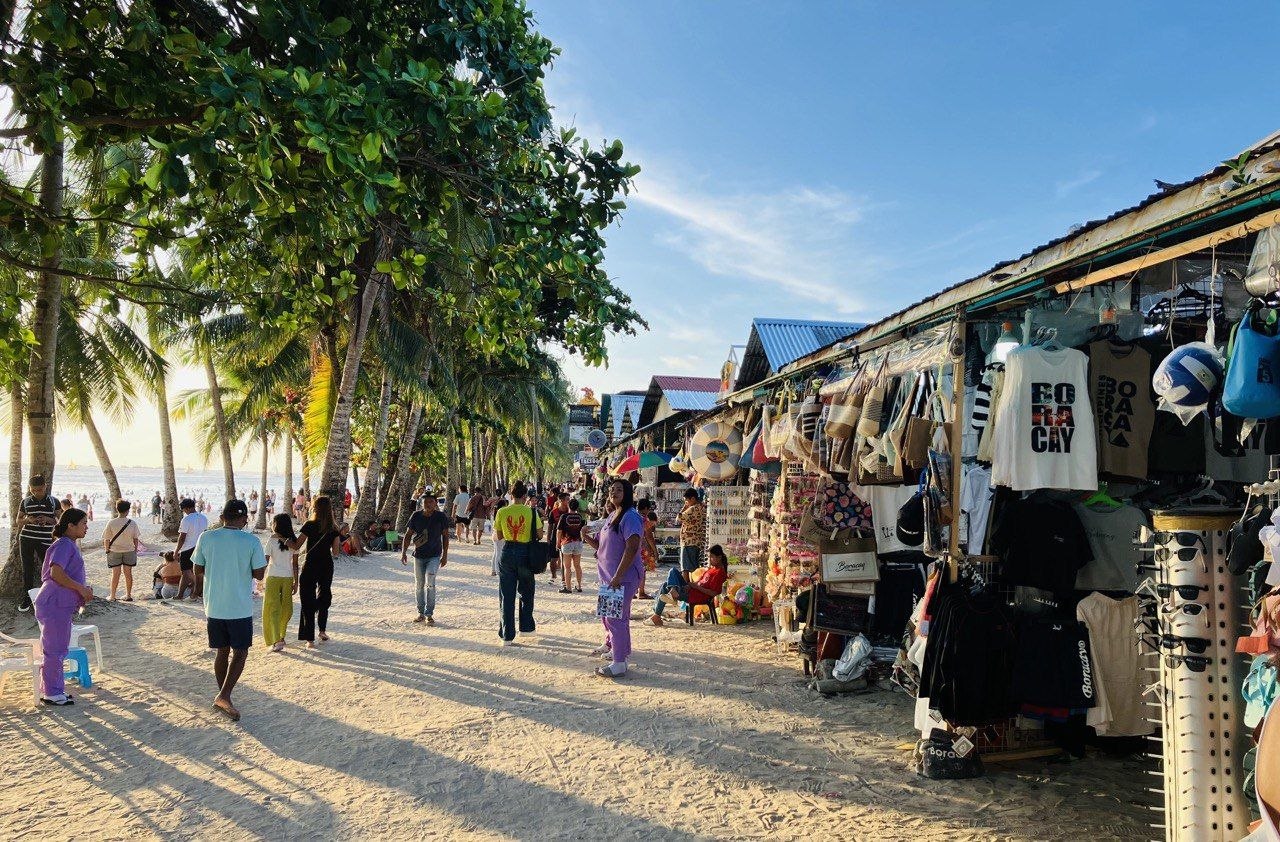
comprising the unregistered beach vendors, freelance tour coordinators, traditional boatmen, e-trike
drivers, and independent masseuses serves as the invisible backbone of Boracay’s daily tourism
operations. Yet, despite their indispensable contribution to the local economy, these informal workers
continue to exist on the periphery of state protection, social security, and formal development
planning.
For decades, Boracay’s informal sector has acted as a natural economic shock absorber,
absorbing surplus local labor and offering immediate livelihood opportunities to families across
Malay, Aklan. These grassroots entrepreneurs provide the authentic, highly localized services that
enrich the visitor experience and make the island accessible to diverse tourist demographics.
However, the current regulatory paradigm often views their visibility not as an asset, but as an
aesthetic or logistical hurdle to be cleared. In the push for modern, elite-centric island gentrification,
informal vendors face frequent displacement, strict zoning caps, and prohibitive institutional barriers
that prevent them from transitioning into the formal market.
Policy Crux: Economic sustainability on Boracay Island
be achieved if the very individuals who drive its foundational hospitality services are excluded from its formal growth narratives and social safety nets.
The vulnerabilities of this sector became painfully apparent during the 2018 environmental
rehabilitation closure and the subsequent COVID-19 pandemic. Lacking formal employment
contracts, registered business licenses, or institutional credit lines, thousands of informal workers
were thrust into sudden, severe destitution without adequate state safety nets. This historical precarity
is now compounded by emerging localized transitions, such as the proposed Panay-Boracay Bridge
and rapid transport modernization. While infrastructure projects promise macro-level efficiency, they
threaten to further marginalize traditional service providers unless intentional protective frameworks
are institutionalized.
To build a genuinely sustainable and resilient Boracay, the government must shift its approach from punitive enforcement to proactive formalization and empowerment. The Department
of Labor and Employment (DOLE), the Department of Tourism (DOT), and the Local Government
Unit (LGU) of Malay must collaborate on a comprehensive integration master plan. First, the LGU
should establish a streamlined, low-cost micro-registration framework linked to localized social
protection subsidies, ensuring access to PhilHealth, SSS, and Pag-IBIG. Second, targeted micro
credentialing and capacity-building programs should be deployed to upgrade their skills, allowing
informal workers to demand fair pricing and leverage fair-trade tourism avenues.
Ultimately, Boracay’s global prestige must be mirrored by its domestic labor standards. True
sustainable tourism development is measured not by the height of its luxury properties or the volume
of its high-value event tourism, but by the socioeconomic security of its most vulnerable workers.
The state must step forward to legitimize, protect, and uplift the informal economy. Only when these
invisible hands are given a formal voice and structural equity can Boracay rightfully claim to be a
world-class model of sustainable, inclusive tourism.