Environment
Smokey Mountain “Restoration” Exposed as Incinerator Land Grab

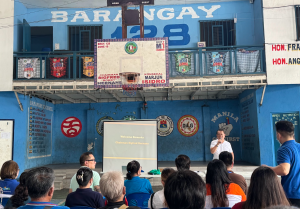
The Manila Anti-Incineration Alliance (MAIA) reported ongoing entry of heavy equipment, harassment, and displacement despite the project lacking an Environmental Compliance Certificate (ECC) and a completed Environmental Impact Assessment (EIA).
Communities raised serious concerns regarding the lack of timely information disclosure and procedural safeguards during the June 8 public scoping process. Many affected residents reported that they were not adequately informed of the consultation, limiting their ability to prepare for and participate in discussions concerning a project that would directly affect their homes, livelihoods, and environment. Residents further noted that key project documents and presentation materials were provided only in English and contained highly technical language, creating significant barriers to understanding and informed participation among predominantly Filipino-speaking community members.
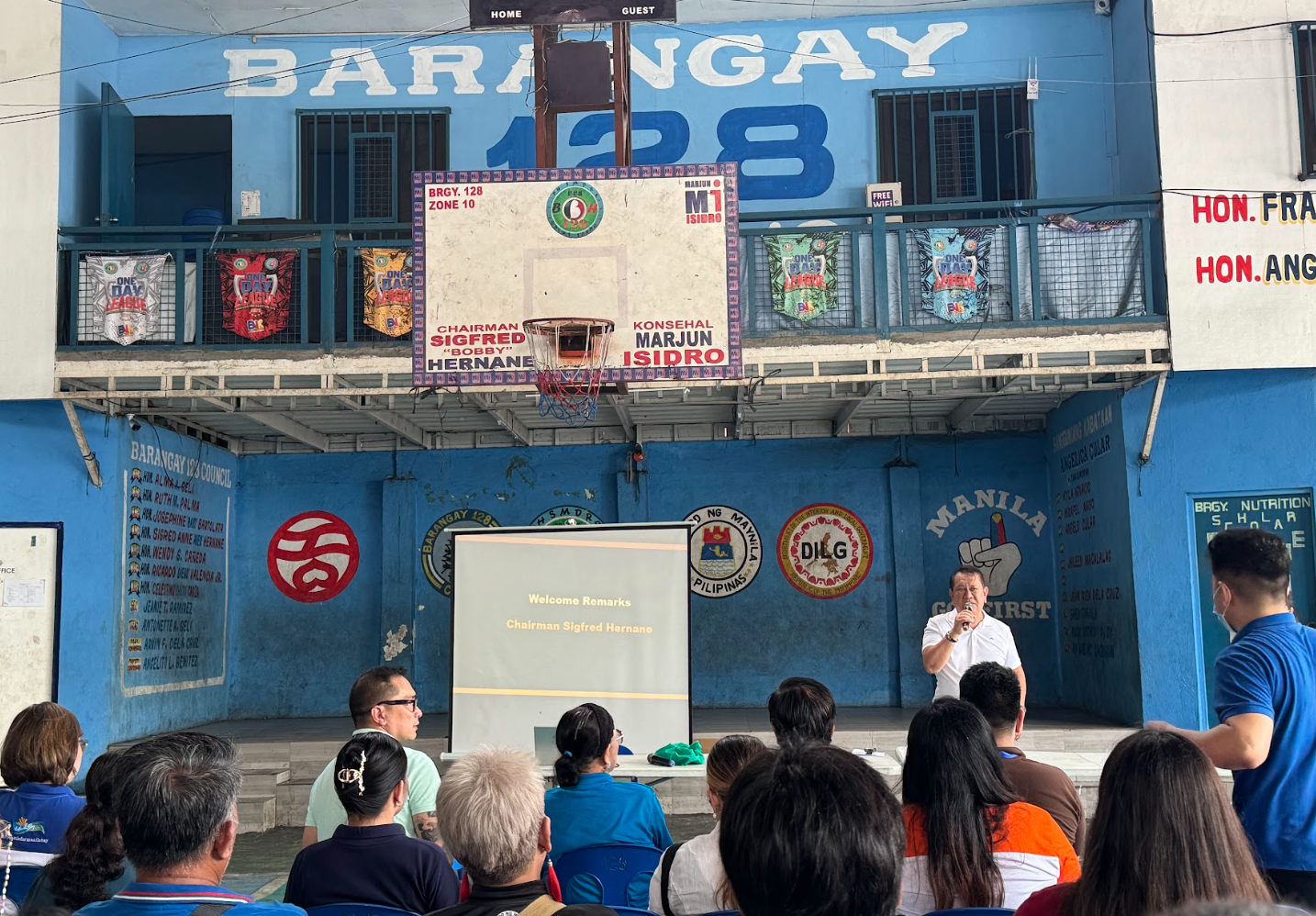
During the public scoping session conducted on 8th June at the Brgy 128, Tondo, Manila covered court, Barangay Chairperson Sigfred “Bobby” Hernane gave opening remarks about the supposed benefits of a waste-to-energy (WTE) incinerator, failing to mention potential gains from the Smokey Mountain Land Restoration Project proposed by the Court Receiver.
MAIA said the preparatory phase of preconstruction and clearing activities was deceptively split from the earlier proposed WTE project to avoid being assessed as a high-risk energy and waste project requiring rigorous environmental and social legal obligations to fast-track the construction of a 100-megawatt WTE incinerator while circumventing environmental laws, public accountability, and the rights of urban poor communities.
Speedy displacement scheme
“The project is being presented as a land restoration initiative, but its actual purpose is to prepare the site for a large-scale waste incinerator,” said Brex Arevalo, Climate and Anti-Incinerator Campaigner for GAIA Asia Pacific. “The public is being asked to comment on a fragmented project description while the broader impacts of the proposed WTE facility remain hidden from scrutiny.”
According to project documents, the proposed restoration activities include the excavation and removal of approximately one million cubic meters of waste across 10.8 hectares of the former Smokey Mountain dumpsite. MAIA argues that these activities constitute preparatory works for the proposed WTE facility previously announced by project proponents and therefore cannot be evaluated separately.
The alliance warned that dividing the project into separate components allows proponents to avoid more stringent environmental requirements, including a comprehensive and cumulative environmental and health risk impact assessment associated with the incinerator project.
Collapse of resettlement talks
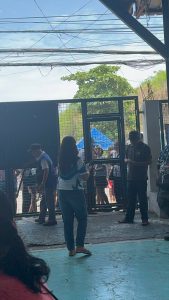
[IN PHOTO] Some affected residents and community representatives were denied entry to the public scoping venue at Barangay 128 covered court in Tondo, Manila.
Concerns regarding due process were further heightened when dozens of affected residents and community representatives were reportedly denied entry to the public scoping venue, restricting their opportunity to access information, raise concerns, and participate in the environmental assessment process. These barriers undermine the principles of meaningful public participation and informed decision-making that are fundamental to environmental governance.
The Local Interagency Committee (LIAC) tasked to oversee humane relocations also failed to secure meaningful consultations with affected communities. LIAC discriminated against other community organizations that represented affected communities in the consultations. Nagkakaisa at Nagdadamayang Maralita Organization (NANAMOR), the remaining community organization the LIAC has been communicating with, has stepped out of the consultations due to the process and the proposed number of beneficiaries.
They mentioned invitations were only sent a day before the consultation and through private channels, denying them a space to discuss among themselves and decide collectively with other interest groups. BAYAN Manila was questioned for being part of the discussions.
Threat to Communities and Livelihoods
Residents stressed that Smokey Mountain is no longer the barren dumpsite often portrayed in project narratives. Over decades, communities transformed the former garbage mountain into a living neighborhood with urban gardens, trees, recycling-based livelihoods, and social support networks.
“Communities themselves rehabilitated this area when responsible parties, particularly R-II Builders, failed to do so. The land now supports families, urban farming, and informal recycling activities that provide livelihoods for many of Manila’s poorest households, ” Anora Madrid, Vice President of Samahan ng mga Magkakapitbahay sa Upper Smokey Mountain (SMUSM) said.
MAIA estimates that the number of families potentially affected by the project is significantly higher than figures presented in project documents and criticized the use of outdated baseline data that may underestimate displacement impacts.
Court Receiver has no Mandate
The group further questioned the legal authority of the Court Receiver managing the Smokey Mountain Asset Pool to act as the project proponent for large-scale rehabilitation and waste management activities.
MAIA stressed that the litigant, R-II Builders, designated as the private developer, was tasked with the actual construction, reclamation, and land development. Based on the Supreme Court ruling, R-II Builders is not the owner of the land, and a Court Receiver was mandated to manage and preserve assets and settle disputes emanating from the problematic Smokey Mountain Development Rehabilitation Project (SMDRP). The Court Receiver has no authority to step into the shoes of the developer to construct buildings, pave roads, or undertake high-risk waste and energy infrastructure.” MAIA stated.
Call to Action
MAIA called on the DENR, EMB, National Housing Authority, DILG, Commission on Human Rights, and Presidential Commission for the Urban Poor to immediately halt project activities and investigate potential violations of environmental, housing, and participation rights.
“Smokey Mountain communities have already paid the price of Manila’s waste crisis for generations. They should not be forced to bear the burden of an incinerator project disguised as rehabilitation,” MAIA said.