Agriculture
Beyond Caring For Patients: Registered Nurse Also Finds Fulfillment In Farming

by: Gillea B. Lumacang
“Nursing heals the body,
Education enlightens the mind,
Agriculture nourishes both.”
These are the pillars of truth that A.R.D.A. Integrated Farm was built on.
Butuan City- For some, farming is often viewed as a profession or an occupation that equates to hard work, patience, and sacrifice, a source of livelihood passed down through generations. However, for Alan Rey D. Antoquia, the road less traveled by is what brought him unexpected opportunities for discovery. For him, agriculture was never merely a livelihood; it was his calling.
Deep in the heart of Barangay Antongalon, Butuan City, a three-hectare agricultural enterprise is run by this 38-year-old registered nurse turned agripreneur. Unlike most farmers who devote their lives to agriculture, his journey sprouted in a different field. Alan is a nurse supervisor at Adela Serra Ty Memorial Medical Center in Tandag, Surigao del Sur, a part-time clinical instructor at North Eastern Mindanao State University, and a licensed professional teacher. He also holds master’s degrees in both nursing and science education.
Despite being proficient in the science and art of nursing and education, he gradually discovered a deeper connection between human health and agriculture. He ascertained that one’s well-being does not stop with treating ailments or simply educating people; it begins with the food they consume and where these foods are grown and produced.
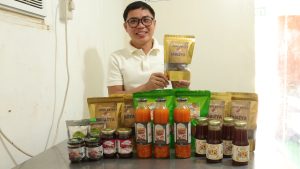
Alan followed his intuition and committed to the farm-to-table concept in farming, which emphasizes growing food sustainably, processing agricultural products responsibly, and bringing quality food to consumers.
Growing through Adversities
Establishing an agricultural enterprise was not a walk in the park. Before becoming a recipient of government assistance, A.R.D.A. Integrated Farm faced numerous challenges that threatened its growth and financial stability.
The farm experienced consequential losses in poultry production, while swine flu caused pigs to become sick and die. Rising prices increased the cost of supplies and daily operations. Limited capital made it difficult to pay workers, maintain irrigation, transport products, and acquire the machinery needed to improve efficiency.
Climate change and severe droughts further affected crop production, reduced harvests, and added uncertainty to the farm’s operations. The lack of knowledge about crop management and pest control also created difficulties, while limited connections with buyers made it challenging to sell products at reasonable prices.
These struggles tested Alan’s determination. However, he was not deterred from continuing his agricultural journey; he sought opportunities to improve his knowledge, strengthen farm management, and make the most of available resources.
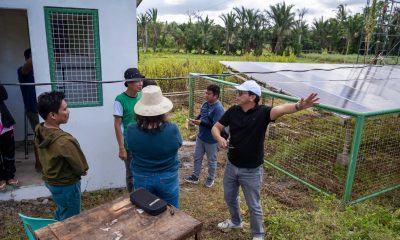
The support from the Agricultural Training Institute (ATI), the Department of Agriculture (DA), the Philippine Coconut Authority (PCA), the Department of Trade and Industry (DTI), and other government agencies became instrumental in the farm’s development. Through training programs, technology assistance, financial support, extension services, and market linkages, he gained the knowledge and resources needed to transform his enterprise.
From Receiving Knowledge to Sharing Opportunities
Perhaps the most meaningful achievement of A.R.D.A. Integrated Farm is its transformation into a center for agricultural education and community development.
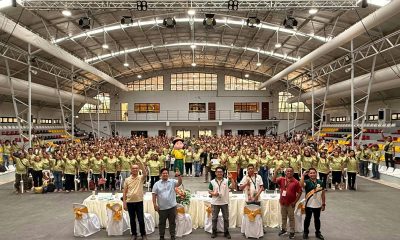
Through the Unified TVET Program Registration and Accreditation System (UTPRAS), the farm became a TESDA-accredited institution offering Agroentrepreneurship NC II. It has also produced 75 graduates with support from the Coconut Farmers and Industry Development Plan (CFIDP) and the Coconut Farmers and Stakeholders Fund (CFSP).
These graduates gained practical knowledge about farming as a business, including how to transform agricultural produce into value-added products. According to Alan, several graduates have already started their own small enterprises, producing goods such as coco sugar, vinegar, and other snack items.
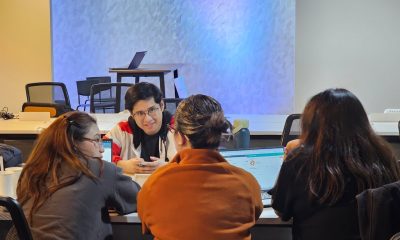
The farm also benefited from the Youth Internship on Organic Agriculture (YIPOA) Program facilitated by ATI Caraga. Interns assisted with planting, harvesting, processing, and training activities while gaining practical experience in sustainable agriculture and agroentrepreneurship. The internship became an avenue to share what he had learned through experience.
Government-provided machinery also improved the farm’s operations. Equipment such as shredders, grinding machines, roasting machines, rotary composters, and vermi-extractors helped simplify arduous processes and reduce operational costs.
Importantly, these resources are not intended for the farm alone. Through its learning center and cooperative, A.R.D.A shares facilities with graduates and cooperative members, allowing small farmers to access equipment that might otherwise be too expensive for them to acquire individually.
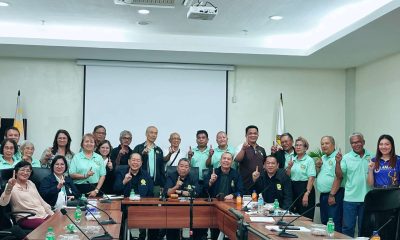
In June 2026, he and other stakeholders established the A.R.D.A. Agro-Entrepreneurs Agriculture Cooperative to strengthen collaboration among farmers and graduates. The cooperative provides a platform for sharing resources, accessing training, and collectively marketing agricultural products. Moreover, market linkages facilitated through government programs and participation in regional and national food expos, have also helped A.R.D. A introduce its products to wider audiences and establish relationships with customers.
These developments mirrored Alan’s belief that agricultural success becomes more meaningful when opportunities are shared. Rather than keeping knowledge and resources within his own enterprise, he seeks to help other farmers build agribusinesses of their own.
An Integrated Farm Rooted in Sustainability
Today, A.R.D.A Integrated Farm demonstrates how agricultural diversification can create opportunities for production, processing, and enterprise development.
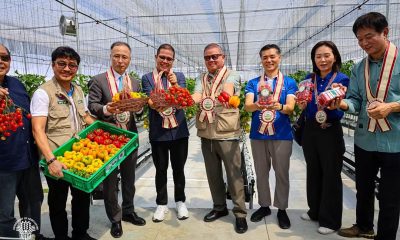
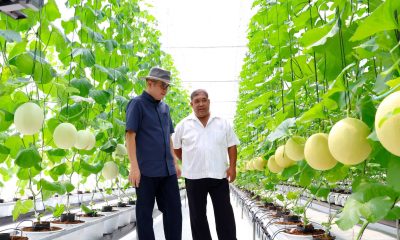
The farm’s main crops are coconut and cacao, complemented by a dragon fruit plantation covering approximately 2,500 square meters. Chili, bell peppers, okra, and eggplant grow beneath the dragon fruits, while another 2,500-square-meter vegetable garden produces crops such as squash, cucumber, tomatoes, and other vegetables.
The farm also features free-range heritage chickens and broilers, engages in swine fattening, and maintains beekeeping activities. Its operations extend beyond growing crops and raising animals to include food processing, organic fertilizer production, and vermiculture.
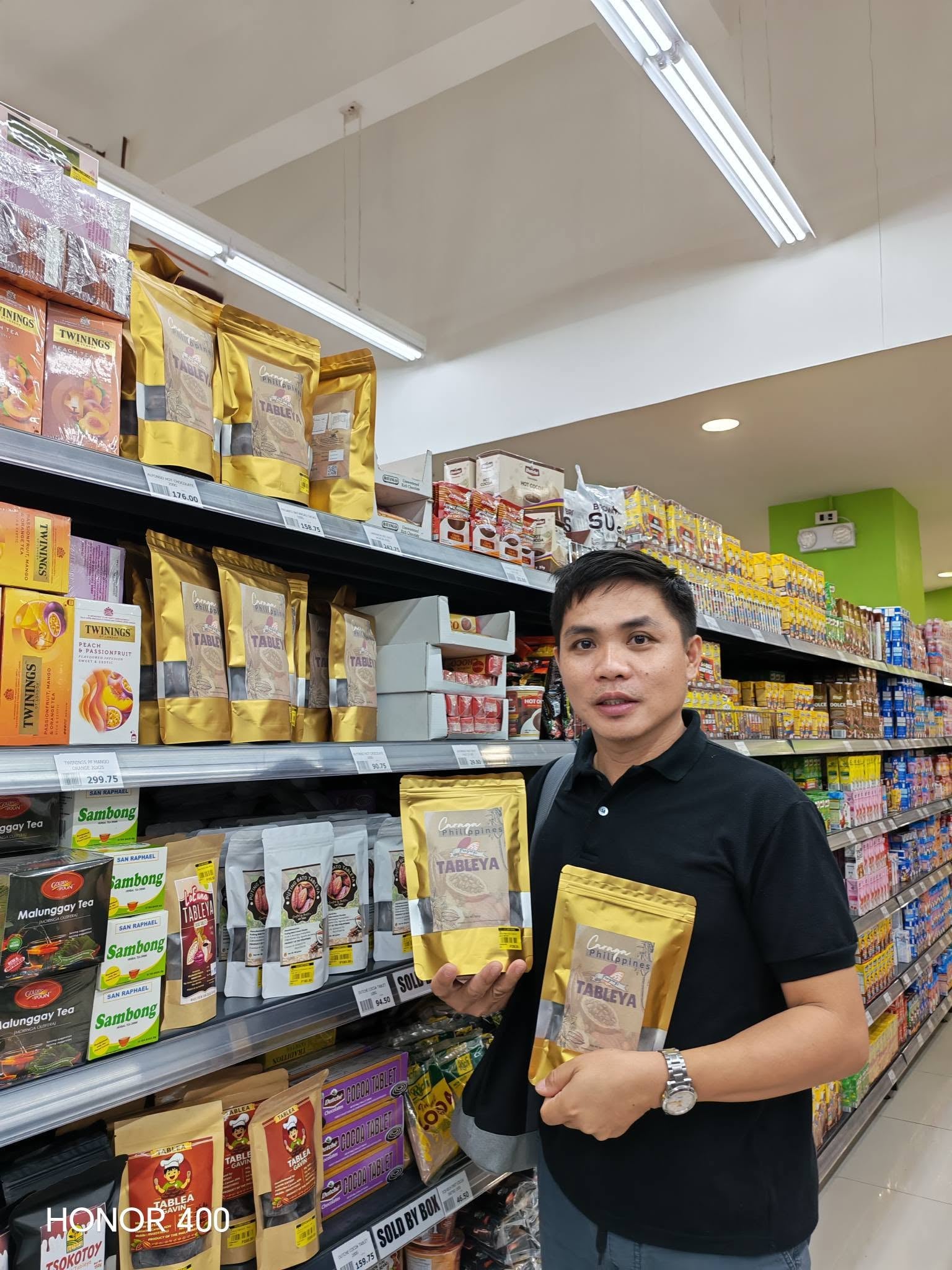
Among its value-added products are tableya, dragon fruit jam, coconut sap vinegar, coco sugar, chili paste, banana chips, and cocopeat. Processing allows the farm to add value to its produce rather than depend solely on selling raw agricultural commodities.
Tableya has become the farm’s most sought-after value-added product, with P60,000 to P80,000 in sales generated through tokens and giveaways for regular buyers from industry partners such as TESDA, PCA, the City Agriculture and Veterinary Department (CAVD), DTI, and ATI.
During trade and agri fairs, Alan can earn as much as PHP 100,000 from his bestselling tableya and Sukang Liyab. Beyond boosting the farm’s revenue, these sales create meaningful income opportunities for a growing number of farm workers—showing how transforming cacao into market-ready products can strengthen both the business and the community that sustains it.
One of the farm’s most significant developments has been its adoption of beekeeping. By raising Laviceps and Laywan bees, also known as Ligwan, Alan found a way to support natural pollination while producing and selling honey as an additional source of income.
According to him, the bees contributed to improved production of coconut, cacao, dragon fruit, and vegetables on his farm. This experience helped him appreciate the mutualistic relationship within the different components of an agricultural ecosystem.
He also avoids the use of synthetic chemicals to protect the bees and to support soil health through organic fertilizer production and vermiculture. These practices reflect the farm’s commitment to working with nature while maintaining productive agricultural operations.
A Vision beyond the Farm
Looking ahead, Alan envisions A.R.D.A. Integrated Farm becoming more than a successful agricultural enterprise. He hopes to expand its influence by partnering with hundreds of farmers, strengthening cooperative production, and establishing a broader network of farms connected to a central processing facility.
He also dreams of developing the farm into a recognized center for agricultural education, where more aspiring farmers can receive training in integrated farming and agroentrepreneurship.
His long-term plans include expanding food processing, improving climate resilience, and creating greater market opportunities for locally produced agricultural goods. Equally important, he hopes to build a cooperative that can operate sustainably and be led by future generations.
These ambitions reflect the lessons he has learned throughout his journey: start small but think big, continue learning, diversify production, add value to agricultural products, care for the environment, and work together with the community.
His own experience demonstrates that agricultural entrepreneurship does not require abandoning every skill acquired in another profession. Instead, knowledge from different fields can contribute to better farm management, education, and community service.
Ultimately, the story of A.R.D.A. Integrated Farm is not simply about increasing harvests, producing processed goods, or expanding agricultural operations. It is about turning personal struggles into opportunities for growth and transforming individual success into a shared community achievement.
From a profession devoted to healing patients to an enterprise dedicated to cultivating food and empowering farmers, Alan Rey’s journey reveals that the purpose of a career can evolve without losing its core mission: serving others.
For him, farming is not merely a way to earn a living. It is a commitment to the land, a platform for education, and an opportunity to help communities build a more sustainable future. With every seed planted, product developed, and learner trained, he shows that agriculture’s true harvest extends far beyond the farm—it grows in the lives and hopes of the people it touches.