Environment
Two Decades of Action: Villar Foundation Strengthens Waterway Protection and Supports Manila Bay Rehabilitation

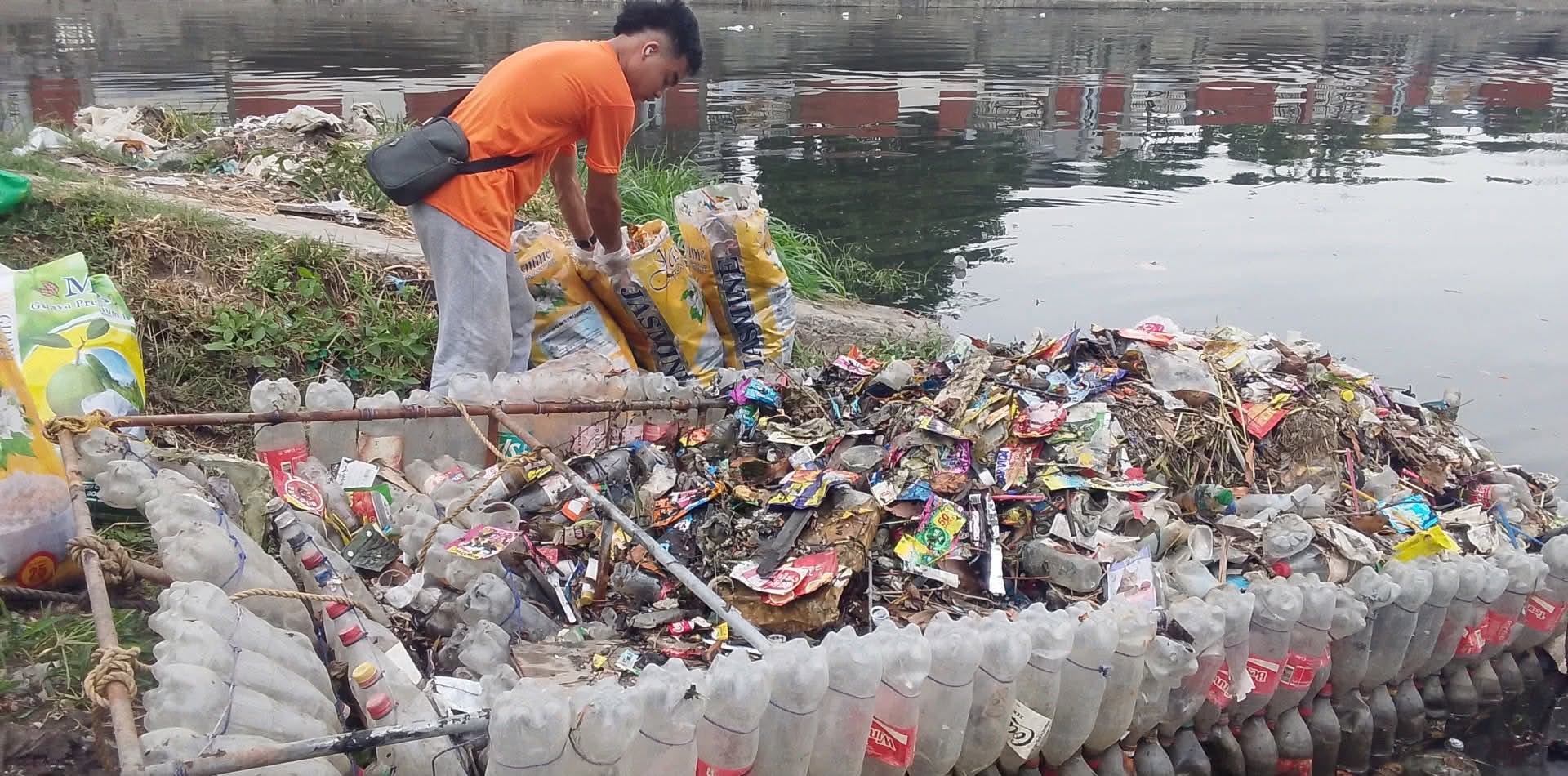
LAS PIÑAS CITY— For more than two decades, the Villar Foundation, under the leadership of former Senator Cynthia A. Villar, has remained at the forefront of efforts to rehabilitate and protect the waterways of Las Piñas and nearby communities through its flagship Las Piñas-Zapote River Rehabilitation Program, or Sagip Ilog Program.
Covering approximately 40 kilometers of waterways, the long-running initiative combines daily river monitoring, waste interception, desilting, dredging, vegetation management, and community-based environmental action to help keep critical waterways clean, flowing, and resilient against flooding.
The program also supports the broader objectives of the Supreme Court’s landmark Manila Bay Mandamus, which ordered concerned government agencies to clean up, rehabilitate, and preserve Manila Bay. In its 2008 decision, the Supreme Court stressed that pollution from rivers, inland waterways, and esteros must be prevented from reaching Manila Bay to ensure that rehabilitation efforts are sustained.
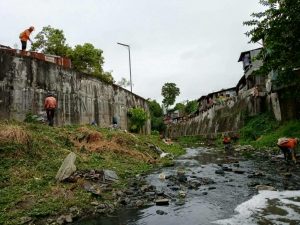
DAILY FRONTLINE OPERATIONS
A key force behind the Sagip Ilog Program is its team of 26 dedicated River Warriors whose monthly salaries, amounting to approximately ₱370,000, are fully supported by the Villar family.
Working on a daily basis, the River Warriors patrol designated river stretches, manually collect floating garbage, clear debris from riverbanks, and remove waste before it can settle in waterways or be carried downstream toward Manila Bay.
Their work also includes grass cutting, garbage collection, clearing of chokepoints and blockages around dams and other river structures, and slope maintenance to help prevent erosion and maintain access for regular monitoring and maintenance activities.
For the Villar Foundation, river rehabilitation is not a seasonal undertaking but a continuing environmental responsibility that requires consistent manpower and resources.
DREDGING AND DESILTING TO HELP REDUCE FLOOD RISK
The Foundation also deploys heavy equipment for dredging and desilting operations along critical sections of the waterways.
Removing tons of accumulated silt and mud deepens river channels, restores natural hydraulic flow, and dramatically reduces flood risks in vulnerable low-lying communities.
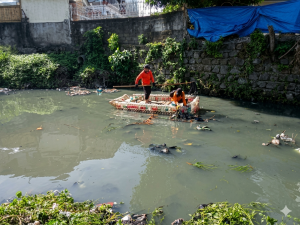
GREENING THE RIVERDRIVE
Environmental rehabilitation extends beyond the waterways themselves.
The Foundation’s water trucks regularly provide irrigation for the Basa,Zapote Vertical Gardens along the Riverdrive corridor, helping sustain greenery and promote a more environmentally friendly urban landscape.
The same water resources also support the Foundation’s waste management and recycling facilities, helping ensure the continuous operation of its environmental programs.
40 KILOMETERS OF WATERWAYS UNDER CONTINUOUS ATTENTION
The Sagip Ilog Program covers approximately 40 kilometers of interconnected waterways linking communities in Metro Manila and Cavite:
10 kilometers – Las Piñas River
10 kilometers – Molino River
20 kilometers – Zapote River
These waterways form an important part of the local drainage and river system ultimately connected to Manila Bay.
The Supreme Court itself has recognized the importance of addressing pollution in river systems and connecting waterways that discharge into Manila Bay, underscoring the need for sustained action beyond the bay’s immediate shoreline.
MORE THAN 20 YEARS OF ENVIRONMENTAL STEWARDSHIP
For the Villar Foundation, the rehabilitation of waterways is a long-term commitment, not a one-time cleanup campaign.
For more than 20 years, Sagip Ilog has demonstrated the importance of daily maintenance, sustained manpower, heavy equipment, waste management, and community participation in protecting urban waterways.
Under former Senator Cynthia Villar’s leadership, the program continues to serve as a cornerstone of the Foundation’s environmental advocacy, complementing broader government efforts to rehabilitate Manila Bay and helping protect communities from
flooding and waterway pollution.
The work continues every day, with the same objective: cleaner rivers, safer communities, and healthier waterways for generations to come.