Business
Western Visayas Feels Impact of China Import Surge as Manufacturing Stays Weak


By: John Dela Cruz
ILOILO CITY – Western Visayas’ consumer-driven economy is facing growing vulnerability as low-cost imports from China continue to flood the market, while local manufacturing remains underdeveloped. This is according to regional economists and business groups who are raising concerns over the long-term viability of a trade structure where the region imports far more than it produces.
A report released by NEDA Region VI in May 2025 confirms this imbalance. Services dominate the Western Visayas economy, accounting for 66% of regional output, while industry—including manufacturing—contributes only 19%. Agriculture and fisheries make up the remaining 15%.
This heavy dependence on the service sector, particularly wholesale and retail trade, underscores how Western Visayas has become largely consumer-driven. However, with few goods produced locally, the region relies heavily on imported products—a situation now made worse by China’s trade surplus strategy.
As Chinese factories face weak domestic demand and trade restrictions in the U.S. and Europe, they have aggressively pushed their excess products to Southeast Asia. According to the General Administration of Customs of China, Beijing’s trade surplus with ASEAN ballooned from USD 90 billion in 2021 to USD 190 billion in 2024. This has been felt sharply in the Philippines, especially in regional markets like Western Visayas.
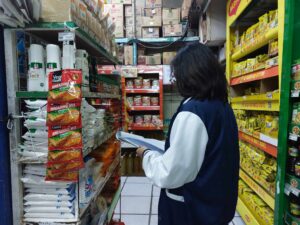
Chinese-made garments, electronics, tools, shoes, and furniture now dominate retail shelves, with major chains such as SM, Robinsons, Gaisano, Unitop, CitiHardware, and DIY outlets expanding aggressively in the region. These goods are competitively priced, but they also crowd out local entrepreneurs and SMEs in manufacturing and value-added production.
Data from the Philippine Statistics Authority (PSA) shows that as of March 2025, China remained the country’s top import partner, with USD 3.10 billion worth of imports, or 28% of total imports nationwide. The Philippines’ trade deficit with China hit USD 2.33 billion, reflecting just how lopsided the flow of goods has become.
Here in Western Visayas, the effects are real: no significant industrial base, declining local production, and SMEs unable to compete with imported goods that are often sold at or below cost.
Business groups are calling for a two-pronged response:
1. Short-term: Boost tourism and export opportunities.
Rebuilding Chinese tourism, especially in Boracay and other key destinations, could help bring foreign exchange and revive service-related revenue streams. Before the decline, Chinese tourists were among the top spenders in the region.
2. Long-term: Rebuild local production and reduce import dependence.
This means investing in light manufacturing, food processing, and regional industrial zones; providing access to credit, training, and innovation for SMEs; and enforcing trade safeguards to prevent unfair competition from imports.
“Western Visayas is a prime example of how a consumer-based economy without a strong production sector becomes vulnerable to global shocks,” said one Iloilo-based business leader. “We need to shift from just buying and selling, to actually building and exporting.”
As global trade realigns, experts warn that without action, Western Visayas will remain at the mercy of external supply chains—buying what others produce, and exporting less than what it could.