Lifestyle
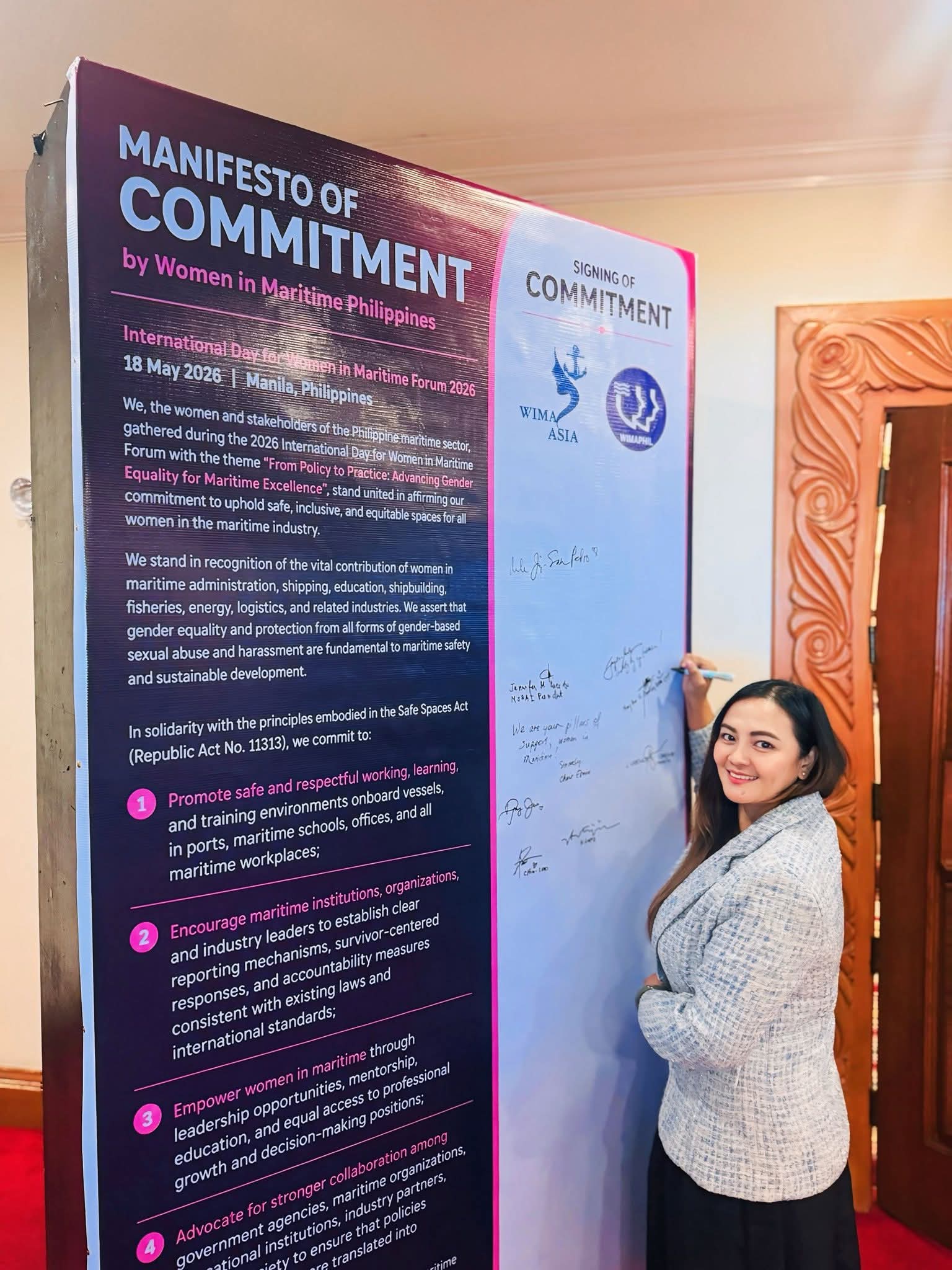
“Gender Mainstreaming: Addressing Challenges and Building Inclusive Opportunities

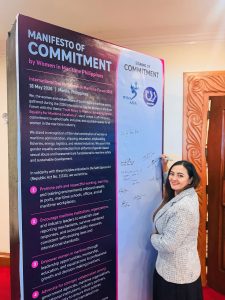
By: Mary Ann Dumlao
The maritime industry has long been recognized as one of the most important sectors in national and global development. It connects islands, supports tourism, facilitates trade, and creates employment opportunities.
Men and women are not meant to compete against each other, but to complement one another. What one may lack, the other can help strengthen. This is not about superiority or inequality—it is about equity, partnership, and collaboration.
True progress happens when men and women work together toward a common goal, recognizing each other’s unique strengths, perspectives, and contributions. Equality does not always mean being the same; sometimes it means giving value to different roles and abilities while ensuring mutual respect, dignity, and opportunity for all.
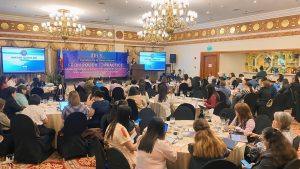
A society, workplace, family, or organization becomes stronger when men and women support one another rather than compete for dominance. Collaboration creates balance, understanding, and shared success.
In an archipelagic country like the Philippines, maritime transportation and tourism are essential to economic growth and community development.
However, despite its importance, the maritime sector remains traditionally male-dominated. Women continue to face challenges in employment, leadership opportunities, access to training, workplace safety, and representation.
This is where gender mainstreaming becomes very important.
Gender mainstreaming is not simply about increasing the number of women in the industry. It is about ensuring fairness, equal opportunities, respect, inclusion, and safe working and learning environments for everyone.
Filipino hospitality is one of the Philippines’ greatest strengths and is widely recognized worldwide for its warmth, respect, and genuine care for others. This quality has become a source of pride, especially in the maritime and tourism industries, where Filipinos are known for excellent service and professionalism.
Gender mainstreaming plays an important role in these industries by promoting equality, inclusivity, and equal opportunities for both men and women. In the maritime sector, it encourages greater participation of women in leadership, operations, and technical roles, while in tourism, it empowers women professionals and entrepreneurs. Through collaboration rather than competition, both industries can create a stronger and more diverse workforce.
The partnership between the maritime and tourism sectors can also strengthen domestic tourism in the Philippines by improving transportation, accessibility, and quality services for travelers visiting different islands and destinations across the country. Through efficient domestic shipping and excellent hospitality services, tourists can experience safe, comfortable, and meaningful travel experiences while contributing to local economic growth.
By integrating gender mainstreaming with Filipino hospitality, the Philippines can promote inclusive growth, strengthen workforce diversity, and further establish itself as a globally competitive leader in maritime and tourism excellence.
📌Challenges and Gaps in the Maritime Sector
Despite progress, many challenges still exist.
These include:
• Gender stereotypes in maritime professions
• Limited representation of women in leadership positions
• Workplace discrimination and harassment
• Lack of gender-sensitive facilities on board ships and in training centers
• Unequal opportunities for career advancement
• Limited visibility of women role models in the maritime industries
📌Role of Maritime Training Institutions
Training institutions play a major role in shaping future maritime professionals.
📍As educators and trainers, we must ensure that:
• Learning environments are inclusive and respectful
• Policies protect students and trainees from discrimination
• Gender sensitivity is integrated into training programs
• Equal participation is encouraged in all activities
• Women are empowered to pursue maritime careers confidently
At EXACT Training Center and through TAAP, we continue to support professional development, inclusive learning, and responsible training practices.
📌Empowering women in maritime tourism contributes to:
• Stronger workforce diversity
• Better customer relations
• More inclusive tourism services
• Sustainable industry growth
Gender equality is not only a social responsibility—it is also a development strategy.
Gender mainstreaming means building a maritime industry where everyone is respected, valued, and given equal opportunities. Through education, safe workplaces, strong policies, and collaboration, the maritime sector can become more inclusive and globally competitive.
As we move forward, let us continue building a maritime sector where opportunities are based on competence, professionalism, and dedication—not gender.
Gender