Lifestyle
The Best Investment Kalibo Can Make

By Chantal Jade V. Tolores
A dangerous misconception is that art is a luxury.
KALIBO, Aklan- In communities burdened by poverty, unemployment, and the everyday demands of governance, creativity should wait its turn. That public funds and public attention are better spent elsewhere because paintings do not pave roads, poetry does not repair drainage systems, and theater does not put food on the table.
But history has repeatedly proven otherwise.
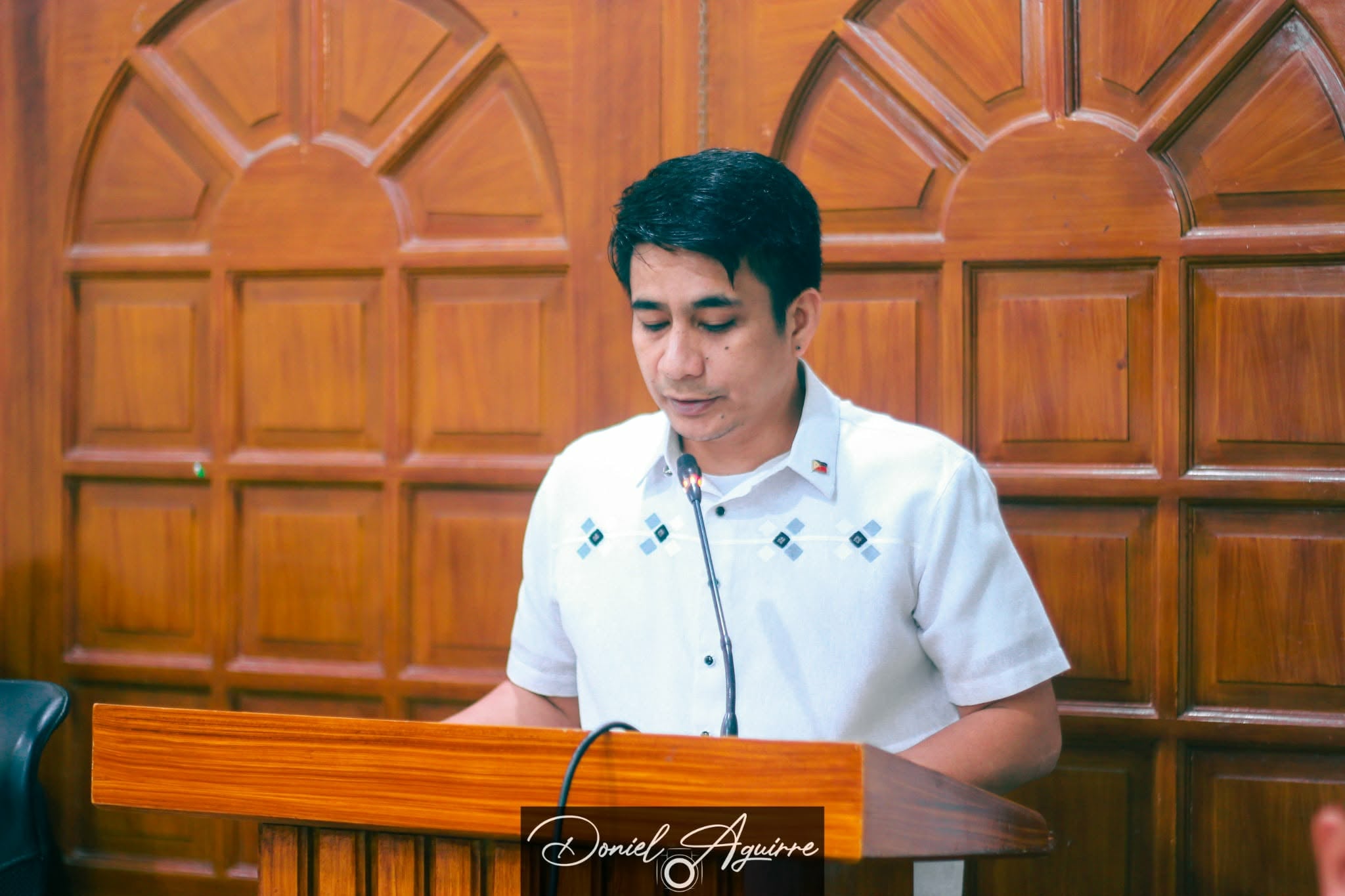
And perhaps this is why the resolution authored and sponsored by Sangguniang Bayan Member Matt Aaron P. Guzman, respectfully requesting Municipal Mayor Juris Bautista Sucro to establish the Kalibo Youth Art Hub in Barangay Nalook, deserves serious attention and enthusiastic support from every sector of the municipality.
At first glance, some may dismiss the proposal as merely another infrastructure project intended for where paintings hang on walls. That interpretation misses the point entirely.
The proposed Kalibo Youth Art Hub seeks to change that narrative. Not because it seeks to build another facility, but because it seeks to build people.
This is about producing empowered citizens.
Kalibo is not just any municipality. For years, it has taken pride in its rich cultural heritage. We celebrate the Ati-Atihan Festival with unmatched energy and devotion. We honor our traditions, indigenous influences, and artistic expressions as symbols of who we are as Akeanons. They were nurtured by generations who understood that culture is a living practice. Yet, for far too long, it has been treated as an afterthought.
People often believed that creativity is merely a hobby and never a viable pathway toward purpose and livelihood. Talent without opportunity fades into frustration.
The proposed Youth Art Hub precisely addresses this gap.
Envision a dedicated center in Barangay Nalook where young people can attend workshops in visual arts, music, theater, dance, literature, and digital media. Imagine local artists mentoring the next generation. Picture exhibitions featuring the works of Kalibo’s youth, performances that celebrate Akeanon identity, and collaborative projects that bridge communities through creativity.
Moreover, investing in the creative potential of the youth carries economic value. The creative economy has become one of the fastest-growing sectors globally. Graphic designers, content creators, filmmakers, illustrators, musicians, animators, and multimedia artists are reshaping industries and generating livelihoods from talent once dismissed as impractical.
The resolution wisely foresees creative entrepreneurship initiatives and partnerships with educational institutions, government agencies, and private organizations.
This is not spending for spending’s sake. This is a strategic investment.
If Kalibo can invest in sports facilities because athletic talent deserves nurturing, why should artistic talent receive any less recognition?
Young people are often told that they are the future. Yet too often, they are excluded from the present.
Of course, skepticism is inevitable. But why do we insist that communities choose between development and humanity?
A municipality capable of building roads can also build dreams. A government that invests in infrastructure can also invest in imagination. The two are not mutually exclusive.
When people think of development, they often imagine roads, bridges, drainage systems, public markets, and government buildings. We celebrate tangible proofs of progress. But there is another kind of development that is just as important, though often overlooked.
It is the development of human potential, the deliberate cultivation of talent, imagination, and identity. In fact, the strongest communities understand that progress is measured not only by the structures they construct but by the people they empower.
Kalibo can choose to change that.
If approved and sustained, the Kalibo Youth Art Hub will stand as more than a building in Barangay Nalook. It will stand as proof that this municipality believes in its young people— believes creativity is not a distraction from nation-building but an essential part of it.
And that is the most enduring masterpiece any local government can create. Not a monument of concrete and steel, but a community empowered to imagine, create, and thrive.