Latest News
Boracay Stakeholders Seek Clarity On Water Crisis Readiness Amid Super El Nino Fears

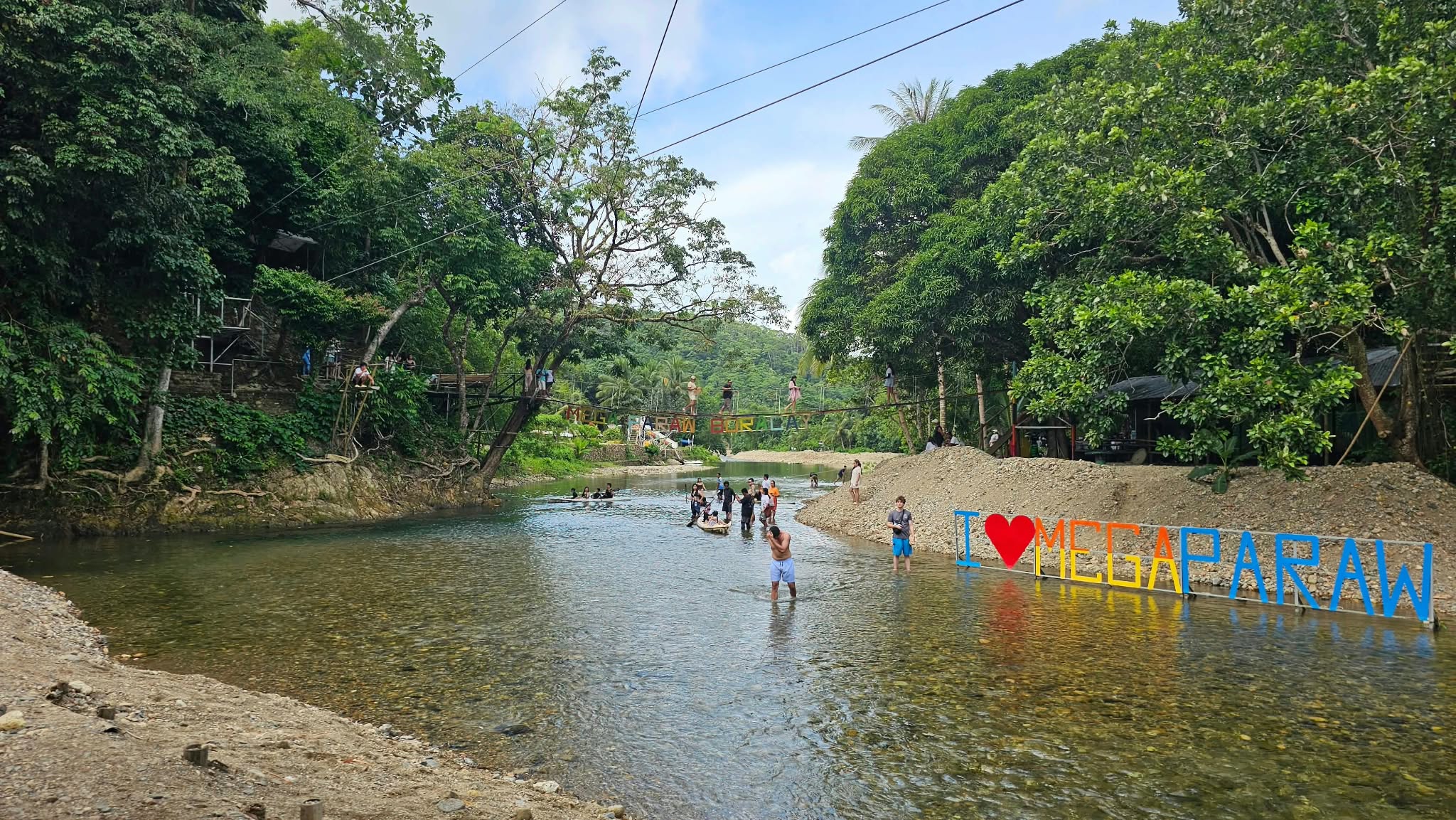
photo by: Raffy Cooper, Megaparaw Boracay
BORACAY ISLAND — The Natives of Boracay and Business Stakeholders, Inc. (NaBBSI) has formally asked the Municipal Government of Malay, Aklan, to disclose its preparedness, contingency plans, and drought-resilience assessment amid growing concerns over a potential Super El Niño-related water crisis.
In a letter dated October 12, 2026, addressed to Municipal Mayor Floribar S. Bautista, NaBBSI raised alarm over what it described as a critical imbalance between freshwater supply and demand sourced from the Nabaoy Watershed — Boracay Island and mainland Malay’s primary source of potable water.
Supply vs. Demand Concerns Cited
NaBBSI referenced a 2021 hydrological study by the Philippine Nuclear Research Institute (PNRI), which estimated the Nabaoy Watershed’s recharge rate at approximately 18 million liters per day (MLD). Meanwhile, combined daily demand from the Malay Water District, Boracay Tubi System Inc., and Boracay Island Water Company reaches roughly 23 MLD — about 5 million liters more than the watershed’s estimated daily replenishment.
“This disparity warrants closer examination of the Municipality’s ability to maintain a reliable freshwater supply during prolonged periods of reduced rainfall,” the letter stated, noting that prolonged drought could threaten public health, sanitation, tourism operations, livelihoods, and the island’s ecological systems.
Nine Key Areas of Inquiry
NaBBSI is seeking detailed information across nine priority areas:
1. Existing preparedness and contingency plans for water shortages during Super El Niño
2. Water supply assessment and inter-agency coordination mechanisms
3. Drought resilience and watershed capacity, including multi-month reduced-rainfall scenarios
4. Emergency water allocation and distribution plans for households, hospitals, and vulnerable communities
5. Water conservation and demand management protocols, including potential rationing
6. Tourism continuity plans to balance visitor needs with community water security
7. Early warning systems, monitoring, and public information dissemination
8. Integration of PNRI study findings into municipal planning and disaster risk reduction
9. Resource allocation, responsibilities, and timelines for drought response implementation
The group emphasized that emergency water trucking alone may be insufficient if supply-demand imbalances persist or worsen. It also urged coordination between the Municipal Disaster Risk Reduction and Management Office (MDRRMO), Municipal Environment and Natural Resources Office (MENRO), Tourism Office, water providers, and national technical agencies.
“Proactive planning is necessary to reduce the risk of disruptions while ensuring that residents’ basic water needs, public health, sanitation, and environmental requirements are not compromised,” NaBBSI stated.
The group requested a written response, copies of relevant plans and assessments, and proposed a coordinating meeting to clarify existing measures and identify gaps.
Context: Boracay’s Water Security at Stake
Boracay Island — one of the Philippines’ top tourist destinations — relies entirely on the Nabaoy Watershed for its freshwater supply. With climatologists warning of a potentially severe El Niño event in 2026, stakeholders say advance planning is critical to avoid disruptions to both community life and the island’s multi-billion-peso tourism industry.