Latest News
Unpaid Care, Domestic Works Take Center Stage in PSA-Aklan Survey


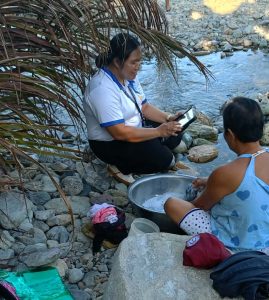
KALIBO, Aklan- 𝐼𝑓 𝑦𝑜𝑢 𝑡ℎ𝑖𝑛𝑘 𝑡ℎ𝑎𝑡 𝑑𝑜𝑖𝑛𝑔 ℎ𝑜𝑢𝑠𝑒ℎ𝑜𝑙𝑑 𝑐ℎ𝑜𝑟𝑒𝑠 𝑎𝑛𝑑 𝑐𝑎𝑟𝑖𝑛𝑔 𝑓𝑜𝑟 𝑐ℎ𝑖𝑙𝑑𝑟𝑒𝑛 𝑎𝑛𝑑 𝑒𝑙𝑑𝑒𝑟𝑙𝑦 𝑓𝑎𝑚𝑖𝑙𝑦 𝑚𝑒𝑚𝑏𝑒𝑟𝑠 ℎ𝑎𝑣𝑒 𝑛𝑜 𝑒𝑐𝑜𝑛𝑜𝑚𝑖𝑐 𝑎𝑛𝑑 𝑠𝑜𝑐𝑖𝑎𝑙 𝑣𝑎𝑙𝑢𝑒, 𝑡ℎ𝑖𝑛𝑘 𝑎𝑔𝑎𝑖𝑛.
In a survey currently being conducted by the Philippine Statistics Authority in selected sample households in Aklan, unpaid care and domestic work rendered to household and family members are accounted for to ensure that all work—whether paid or unpaid—is properly recognized and valued.
Results from this data gathering will serve as inputs in assessing the equitable redistribution of unpaid care and domestic work between women and men in households, in line with the targets of the Sustainable Development Goals, and in the formulation of gender-responsive laws and policies in the country.
According to Engr. Antonet B. Catubuan, the survey is essential as it will guide the government in designing programs, public services, infrastructure, and social protection measures. It will also serve as a reference in determining appropriate wages for domestic services and in implementing social programs.
“Work at home is often underestimated and seen as having no value. However, it forms a significant part of how society functions. That is why there is a need to collect data to determine its impact on the economy and identify interventions that can improve labor productivity and promote gender equality,” Engr. Catubuan explained.
Unpaid domestic and caregiving activities covered in this survey include: food and meal management and preparation; cleaning and maintenance of the dwelling and surroundings; do-it-yourself decoration, maintenance, and repair; care of textiles and footwear; household management for own use; pet care; shopping for household and family needs; and transporting or accompanying goods or persons related to unpaid domestic services.
Likewise, it includes farming and production of animal products for own use; growing of crops and kitchen gardening for own use; fetching water and fuel for household use; childcare and instruction; care for dependent adults; assistance to non-dependent household and family members; and transporting or accompanying persons related to unpaid caregiving services.
Information is collected from household members aged 15 years and over, focusing on the time spent on each activity during the past seven days.
This survey adopts the 2016 International Classification of Activities for Time-Use Statistics, a framework used to classify how people use their time and to better understand work beyond formal employment.