Environment
Why Birds Are Immune to the Burn of Hot Peppers?



By: Raymond Sucgang
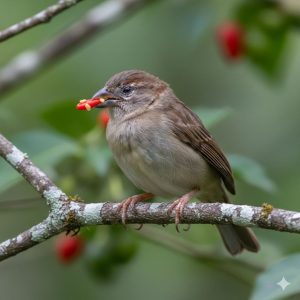
Sick maya birds (Eurasian tree sparrows) foraging on siling labuyo (Capsicum frutescens) leaves can be explained by a mix of plant chemistry, avian physiology, and self-medication behavior (zoopharmacognosy).
1. Capsaicinoids: the key chemistry
Siling labuyo leaves (not just the fruits) contain capsaicinoids, especially capsaicin and dihydrocapsaicin, though in lower concentrations than the chili fruit.
Why this matters chemically:
Capsaicin is an alkaloid derived from vanillylamine + fatty acid chains
It has strong antimicrobial, antiparasitic, and anti-inflammatory properties
It disrupts cell membranes of bacteria and parasites, interfering with ion transport and enzyme function
For a sick bird, ingesting small amounts may help suppress infections (especially gut parasites and pathogenic bacteria).
2. Birds do NOT feel “heat” like mammals
Chemically, capsaicin binds to the TRPV1 receptor (a heat/pain receptor).
Mammals: TRPV1 is activated : burning sensation
Birds: TRPV1 has a different molecular structure
Capsaicin does not bind effectively
No burning or pain response
This evolutionary chemistry allows birds to consume chili plants safely, while mammals are deterred.
This is actually a plant–bird co-evolution strategy:
Mammals avoid chili
Birds eat it and disperse seeds
3. Natural “medicine cabinet” in chili leaves
Aside from capsaicin, chili leaves contain:
a. Flavonoids (quercetin, luteolin)
Potent antioxidants
Reduce oxidative stress during illness
Stabilize cell membranes and immune cells
b. Phenolic compounds
Mild antiviral and antibacterial activity
Can inhibit microbial enzymes by protein denaturation
c. Essential oils & terpenoids
Slight expectorant and digestive stimulant
Help with respiratory or gut discomfort
4. Antiparasitic chemistry
Studies in poultry science show capsaicin:
Reduces intestinal worm load
Alters gut pH and motility
Interferes with parasite metabolism
For a sick maya bird, leaf foraging may:
Help expel parasites
Reduce diarrhea
Improve nutrient absorption
5. Behavioral chemistry: self-medication
This is a classic example of zoopharmacognosy:
Animals instinctively choose plants with bioactive compounds
Sick individuals show selective feeding, not random foraging
Healthy maya birds rarely target chili leaves,
but sick ones do, suggesting a chemical feedback mechanism where relief reinforces the behavior.
6. Why leaves, not fruits?
Chemically:
Leaves have lower capsaicin concentration
Safer dosage for small birds
Higher proportion of flavonoids and phenolics
This reduces toxicity risk while retaining medicinal benefit.
Summary (Chemistry in simple terms)
Sick maya birds forage on siling labuyo leaves because:
Capsaicin kills or suppresses microbes and parasites
Birds are chemically insensitive to chili “heat”
Leaves contain antioxidants and immune-support compounds
Instinctive self-medication behavior
Leaves provide safer, low-dose phytochemicals
 What looks like an odd behavior is actually biochemistry + evolution + survival chemistry at work.