Commentary
From Aklan to Gaza — When Martyrs Are Branded as Terrorists

By: Guillermo Sumbiling
KALIBO, Aklan- In Gaza, where rubble replaces homes and mourning never ceases, we are witnessing a brutal chapter of a decades-long struggle — one that echoes deeply in our own Filipino experience of oppression, resistance, and remembrance.
The recent military campaign by Israel to crush Hamas and suppress Palestinian resistance in Gaza is justified as a fight against terrorism. But if we strip away the politics and propaganda, we see something painfully familiar: a people struggling for their land, their dignity, and their future — and being branded as enemies for daring to resist.
This is not a new story. It is a story we know by heart.
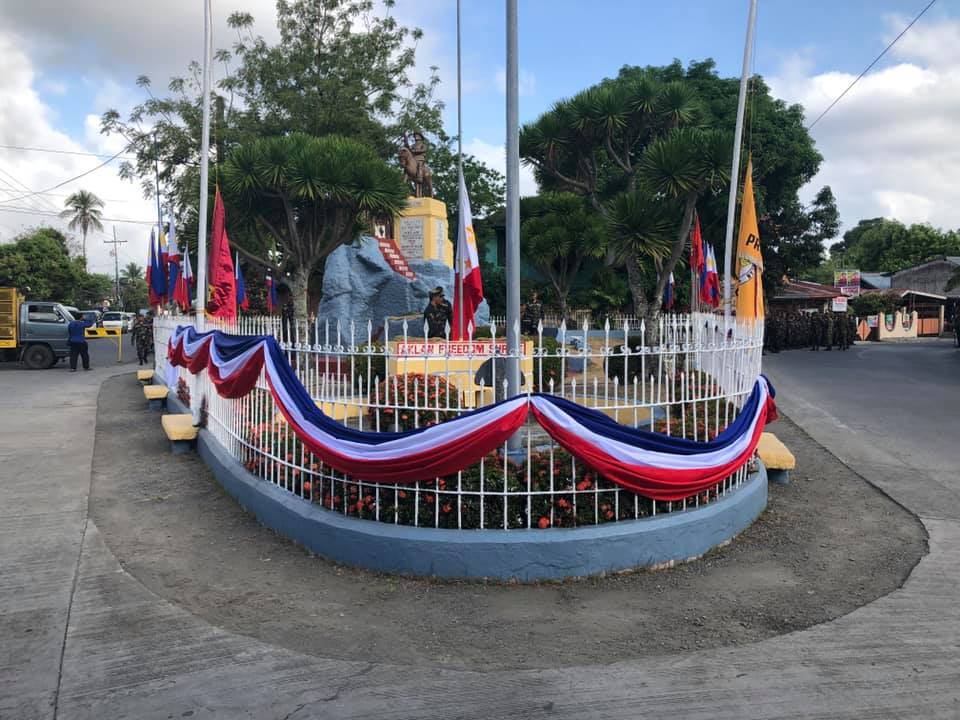
More than a century ago, in the quiet towns and mountains of Aklan, 19 men — joined the Filipino revolution against Spanish rule. These were not criminals. These were not extremists. These were fathers and brothers who believed that their people deserved freedom. For their courage, they were captured, tortured, and — on March 23, 1897.
They were called traitors by the colonizers. Today, we honor them as the 19 Martyrs of Aklan.
The Palestinians, especially those resisting in Gaza, find themselves in the same paradox. Branded as terrorists, bombed and blockaded, their resistance is painted in black-and-white — stripped of its historical roots in occupation, displacement, and generations of broken promises. But as history has shown, when people are cornered, they resist. Not because they are violent — but because they refuse to vanish.
The American Revolution, the Bolshevik uprising, the Vietnamese resistance — all were once seen as rebellions led by dangerous radicals. The Katipunan itself, whose cry for freedom ignited the revolution of 1896, was branded a terrorist group by Spain. Yet time transformed those so-called traitors into founders of nations.
What is terrorism to an empire is often patriotism to a people.
The 19 Martyrs of Aklan were not saints. Nor were they soldiers of a recognized army. But they were willing to die for a vision of a free and just society. Their torture and execution were meant to silence the growing unrest. But it did the opposite. Their blood soaked into the roots of our identity, becoming a beacon for future generations.
So too is the Palestinian cause — complex, painful, often misunderstood. It is easy to condemn resistance without understanding the context in which it grows. But history warns us: struggles do not die with bullets. They are remembered, reinterpreted, and reignited.
As Aklanons, as Filipinos, we must never forget that our own martyrs were once labeled threats to the peace. Yet today, we build monuments in their honor and teach our children their names.
Let us remember this when we watch Gaza from afar. Let us not be quick to judge people rising from desperation. And let us never forget: today’s terrorists may be tomorrow’s heroes — just as ours once were.