Commentary
My Opinion About Boracay Bridge


By: Randy Anthony Rebaldo
1. Construction of a Bridge to Boracay Island
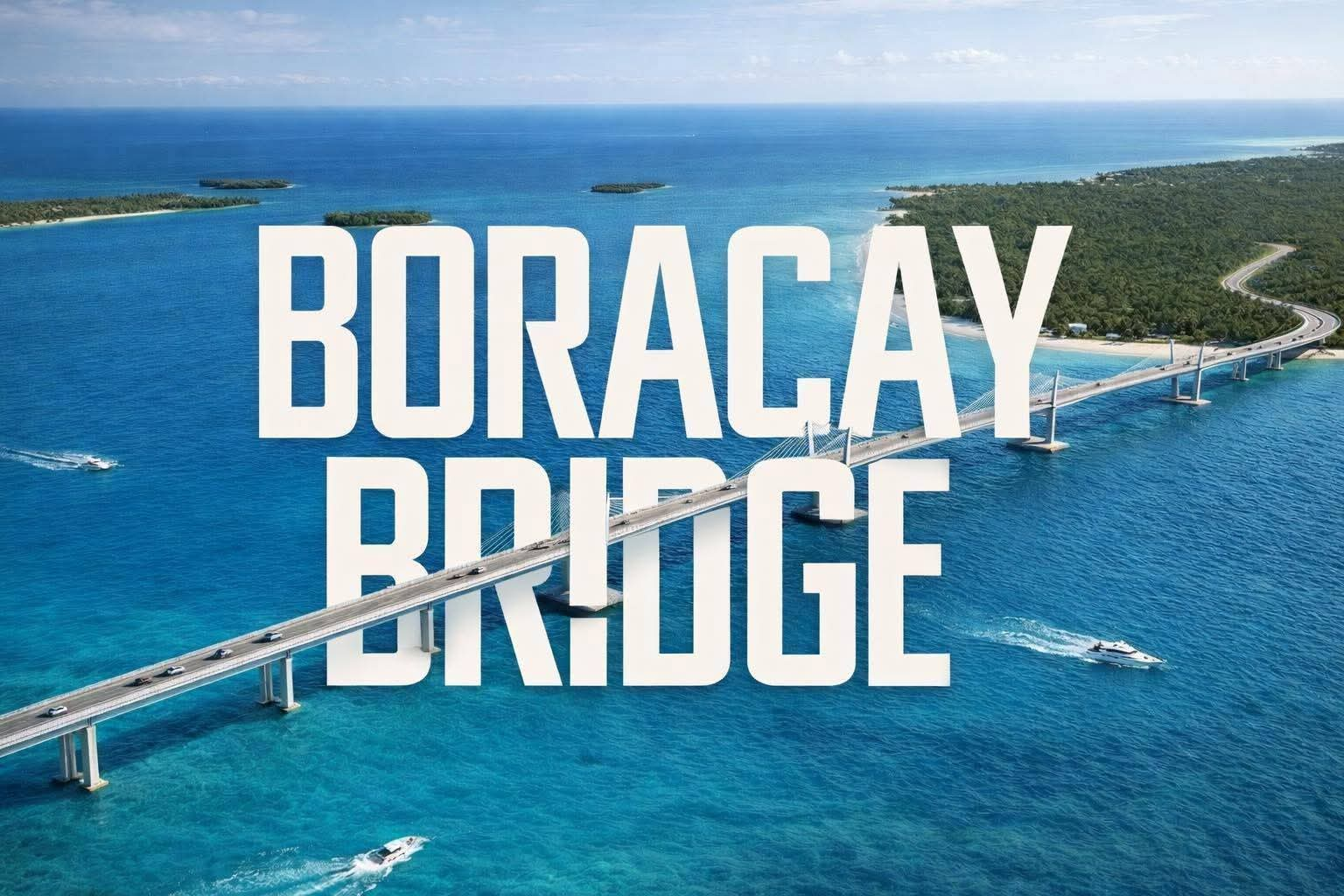
There have been discussions and plans for a bridge connecting Boracay Island to the mainland of Panay (specifically, the province of Aklan).
This bridge is part of broader infrastructure initiatives aimed at improving access to the island, which is a major tourist destination in the Philippines.
2. National Government Coordination with Local Government Units (LGUs)
Under Philippine law, the national government must consult with LGUs, especially the Local Chief Executive (LCE), before proceeding with major infrastructure projects. This coordination is not just a legal requirement but also ensures that the project meets local needs, complies with zoning regulations, and addresses the concerns of residents.
The Department of Public Works and Highways (DPWH), as the lead agency for infrastructure projects, is obligated to coordinate with the concerned LGUs, and this is often done through consultations, public hearings, and environmental impact assessments (EIA). These steps should ideally ensure that the needs of local stakeholders are addressed, and that projects are aligned with environmental protection regulations.
3. Opposition from the People of Aklan
The opposition from the people of Aklan and other stakeholders could be based on several concerns:
• Environmental Impact: Boracay, as you may know, is a protected area with unique biodiversity, and the construction of a bridge could potentially threaten its delicate ecosystem. The opposition may stem from fears that the project will harm the environment, particularly marine life, water quality, and the coastal areas.
• Impact on Tourism: Boracay’s appeal to tourists has long been its pristine nature. Some local residents might worry that the construction of a bridge will lead to increased tourism, overdevelopment, and crowding, which could ultimately degrade the island’s natural beauty and charm.
• Cultural Concerns: There could also be concerns that the project will disrupt the local way of life, especially if it leads to rapid commercialization or displaces communities.
4. Why the National Government Continues the Project
Even with local opposition, the national government may still move forward with such projects for several reasons:
• Economic Drivers: The bridge could be seen as a key project to boost economic growth, enhance connectivity, and facilitate tourism. The national government might argue that the long-term benefits, such as increased economic activity and improved infrastructure, outweigh the concerns raised by local groups.
• Public Policy: The national government may view the project as part of its broader “Build, Build, Build” program or other infrastructural initiatives, seeing it as crucial for the development of the region, particularly the Visayas area.
• Government Approval: While the DPWH is required to consult with LGUs, in some cases, the national government might approve a project if it aligns with their broader policy agenda, even if there is local opposition.
5. Legal Recourse: Writ of Kalikasan and TEPO
The Writ of Kalikasan is a legal remedy available to protect the environment, especially if the construction threatens to cause environmental harm across local boundaries.
This legal tool is an important check on the government and developers to ensure that environmental laws are not being violated.
Additionally, local government units (LGUs) or concerned groups can seek a Temporary Environmental Protection Order (TEPO), which can temporarily halt the project if there is credible concern that it will result in significant environmental damage. A TEPO is typically sought through environmental courts, which have the jurisdiction to issue such orders.
6. Legal Standing of LGUs
Local governments in the Philippines have a legal standing to intervene in environmental matters, especially if a project lacks proper consultation or environmental safeguards. If the bridge construction in Boracay proceeds without meeting environmental requirements or fails to address local concerns, the province of Aklan or other stakeholders can challenge the project through the Court of Appeals or file a case before the Supreme Court if needed.
While the national government has the authority to approve large infrastructure projects like the bridge to Boracay, it must still engage in proper consultation with the LGUs, adhere to environmental laws, and address concerns raised by local stakeholders.
The ongoing opposition from the people of Aklan and other concerned parties is a critical issue that needs careful consideration. If environmental laws and due process are not followed, LGUs have legal avenues to challenge the project.