Commentary
Bridging the Future: Reimagining the Boracay-Malay Sustainability Lifeline


By: Jimmy Bernabe Maming, PhD, EdD, DPA, DMin, LPT
The Vision: More Than Just Steel and Stone
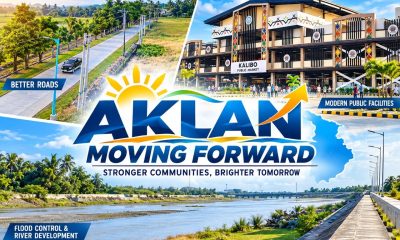
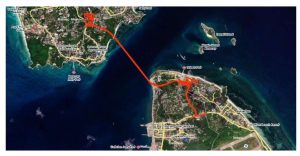
Boracay Island stands at a historic crossroads. The proposed Php 7.95 Billion bridge system—a 2.54-kilometer engineering marvel connecting Caticlan to Boracay—is often discussed as a simple transport project. However, to ensure this project serves the island’s future rather than compromising its soul, we must look beyond the concrete. This is not just a bridge; it is a Utility Life-Line designed to secure the island’s environmental and economic longevity.
Project at a Glance: The Strategic Objectives
Spearheaded by San Miguel Holdings Corporation, this project aims to solve the island’s most pressing “hidden” crises:
• Environmental Integrity: Seamless disposal of solid and liquid waste and the provision of modern utility lines (power, water, and sewerage).
• Safety & Resilience: All-weather access for emergency medical services and disaster response.
• Economic Stability: Supporting a steady, managed growth for the tourism sector through reliable, safe access.
The Challenge: Beyond Technical Success
Despite the technical milestones with the award finalized in March 2026 the project faces a critical hurdle: the “Social License to Operate.” Harvard Business Review (HBR) research warns that even a “technically perfect” bridge can become an operational failure if it lacks Strategic Alignment (Nieto-Rodriguez).
Currently, the project risks Integration Failure (Schaffer & Douglas) by clashing with the island’s core brand as a secluded paradise. Without addressing the 32% projected revenue loss for local boat cooperatives and the potential for environmental “White Space” hurdles, we risk building a structure that the community resents rather than embraces.
The Solution: A “Value-First” Framework
To transform this controversy into a triumph, I propose adopting the Harvard Hierarchy of Purpose. We must pivot from a “construction-first” mindset to a “Value-First” framework:
• Redefining the ‘Why’.The bridge should not be marketed as a way to “flood the island with cars,” but as an Ecological Corridor. Its primary purpose is to remove waste and deliver clean energy, preserving the beaches for generations.
• Radical Stakeholder Integration. We must turn potential critics into partners. By integrating boat cooperatives into the bridge’s logistics and transport management systems, we eliminate economic risk and create shared prosperity.
• Protecting the Strategic Core. Every design choice must protect Boracay’s identity. If a feature doesn’t serve the island’s “secluded” brand, we must have the courage to say a “STRATEGIC NO” and refine the design until it does.
The Boracay-Caticlan Bridge is an opportunity to prove that massive infrastructure and delicate ecology can coexist. By elevating our purpose from “building a bridge” to “protecting an icon,” we can ensure that this project is not just a feat of engineering, but a landmark of sustainable progress.