Commentary
The Dark Side of Tourism



By: Dr. Jimmy Bernabe Maming, Phd, EdD, DPA, DMin, LPT
Boracay Island — For decades, tourism has been marketed as a universal bridge for cultural exchange and a “smokeless industry” capable of lifting developing nations like the PHilippines out of poverty. However, a growing body of academic research and field data is exposing a more sinister reality. Experts are increasingly sounding the alarm on the “dark side of tourism”—a complex web of sex tourism, child exploitation, environmental decay, and “digital colonialism” that threatens the very destinations travelers seek to enjoy. This phenomenon suggests that beneath the postcard-perfect imagery of global travel lies a systemic failure to protect the social and ecological integrity of host communities and destinations per se.
The most harrowing aspect of this phenomenon is the commodification of human beings and the environment. Research by Keith et al. (2014) identifies three major problematic pillars: the rise of sex tourism, the exploitation of minors, and rapid environmental degradation. The study highlights a painful irony in which globalized tourism, while bringing wealth into a region, often exacerbates awareness of income inequality. This visibility of disparity between the affluent traveler and the impoverished local can drive desperate populations toward illicit trades to meet the demands of predatory travelers, effectively turning a bridge of exchange into a pipeline for exploitation.
The impact on the local social fabric is equally devastating and quantifiable. In a landmark study of Goa, India, researcher Kamat (2010) surveyed 600 domestic and international tourists to document the fallout of unplanned growth. The findings revealed a disturbing trend of increased crime, social perversion, and general degradation linked to the sudden influx of visitors. This suggests that when tourism growth outpaces infrastructure and regulation, it doesn’t just strain resources; it erodes the cultural and moral foundation of the community, transforming once-vibrant locales into zones of social instability.
In Southeast Asia, the economic consequences of these social ills are becoming measurable in the long term. Data from Samarinda, Indonesia (2011–2021), analyzed by Kurniawan et al. (2023), shows that issues like extortion, theft, sexual harassment, and racism act as a “tourism deterrent.” Their findings indicate that these factors significantly reduce tourist volumes, creating a self-destructive cycle where the “dark side” eventually starves the industry of its legitimate revenue. Despite these clear warnings, evidence remains geographically fragmented, with experts calling for more cross-regional comparative studies to understand if these patterns are universal or specific to certain developing economies.
As the industry moves further into the 21st century, new risks are emerging in the virtual space. Studies of Fereidouni and Kawa (2019) have identified the rise of “digital colonialism,” where global tech platforms dominate the digital infrastructure of a destination. In this model, local vendors become dependent on foreign-owned platforms that extract high commissions and control the data of local heritage sites. This digital shift often bypasses local taxes and redistributes profits away from the community, leaving the destination to shoulder the environmental and social costs while distant corporations reap the financial rewards. Without radical transparency and stricter local protections, the industry risks consuming the very beauty and culture it sells.
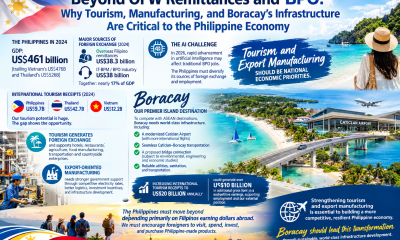
A poignant, modern example of this struggle is currently unfolding on Boracay Island, Philippines, which is embroiled in a “David and Goliath” battle over the newly awarded P7.78-billion Boracay Bridge project. Despite the island’s 2018 rehabilitation to reverse environmental “cesspool” conditions, stakeholders fear a return to the dark side. On March 25, 2026, the Department of Public Works and Highways (DPWH) issued a Notice of Award to San Miguel Holdings Corp., sparking a firestorm of local opposition. The community and the Boracay Foundation Inc. (BFI) argue that the project failed to secure a “Social License to Operate” the collective consent of the people threatening to permanently alter the island’s physical character and bypass the maritime industry that currently sustains hundreds of families.
Currently, the project risks Integration Failure (Schaffer & Douglas) by clashing with the island’s core brand as a secluded paradise. Without addressing the 32% projected revenue loss for local boat cooperatives and the potential for environmental “White Space” hurdles, we risk building a structure that the community resents rather than embraces.
The Boracay-Caticlan Bridge is an opportunity to prove that massive infrastructure and delicate ecology can coexist. By elevating our purpose from “building a bridge” to “protecting an icon,” we can ensure that this project is not just a feat of engineering, but a landmark of sustainable progress.