Commentary
Bridging Islands: Growth, Traffic and Identity


By: Dr Jimmy Maming
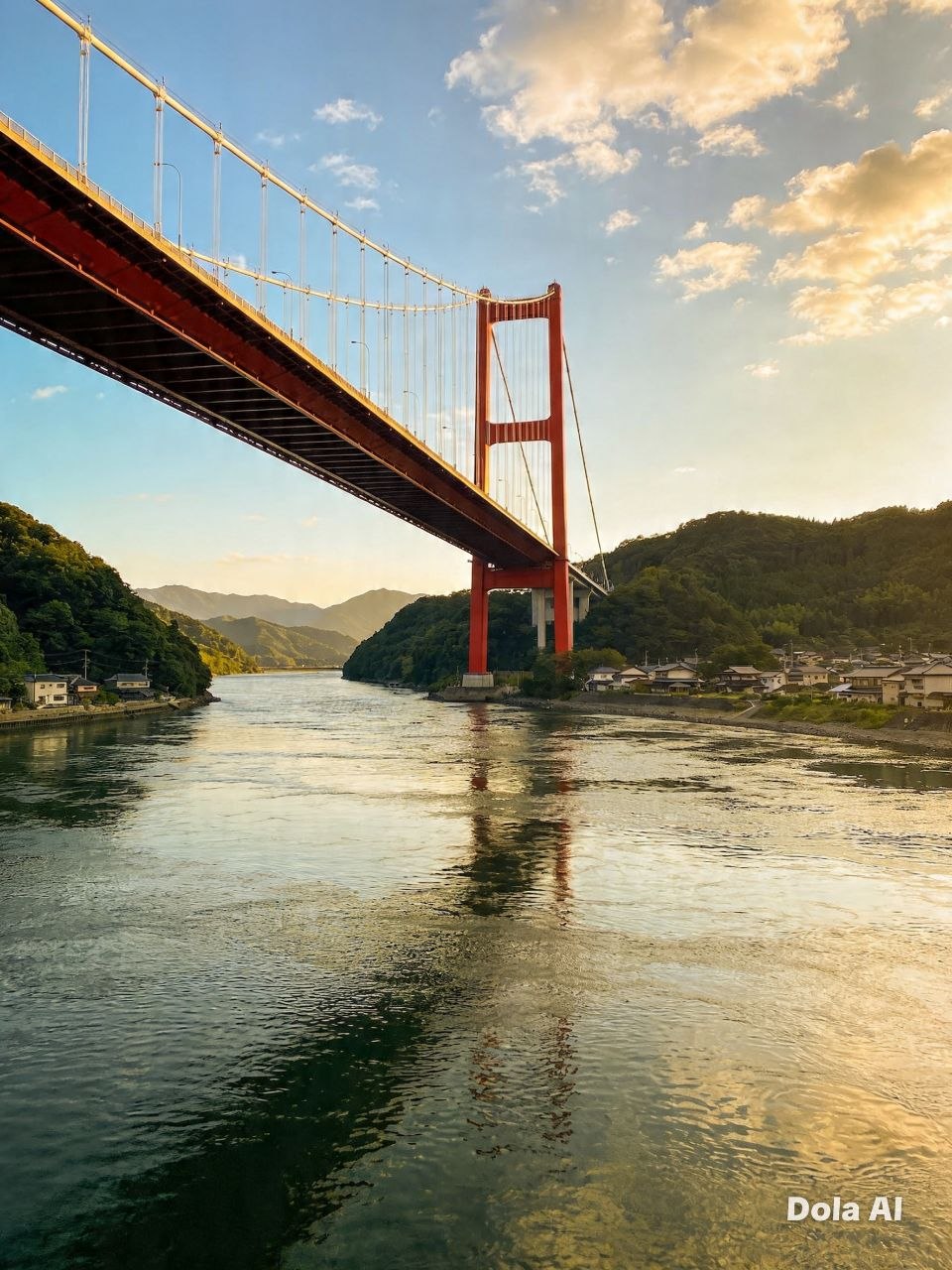
The physical connection of an island to a mainland via sea-crossing bridges represents a
definitive shift in a territory’s geographical and economic identity. While often celebrated as a
catalyst for modernization, these structural links trigger complex spatial transformations that
reshape tourism infrastructure and local mobility, as evidenced by a growing body of empirical
research.The Mechanism of Spatial Transformation. The core of this evolution lies in the
restructuring of “spatial centrality.” According to Jeong et al. (2019), who utilized space syntax
analysis to study Ganghwa County, South Korea, bridges do not merely provide a point of entry;
they fundamentally alter the hierarchy of the existing street network. By analyzing integration and
choice values across local, mid-scale, and global scales, researchers found that areas previously
isolated suddenly became central nodes.
This shift in centrality directly correlates with both increased traffic volumes and
infrastructure proliferation. Improved accessibility via sea-crossing bridges leads to a significant
surge in day-trip tourism and logistics, as the physical barrier to entry is removed. Consequently,
regions that gain the highest spatial centrality often experience a rapid rise in small
accommodations and service-oriented businesses, which are strategically established to capture
the new flow of visitors and capitalize on the island’s evolving spatial hierarchy.
Comparative Case Studies: Japan and the Paradox of Progress
The Japanese experience mirrors these findings but adds a layer of cultural complexity.
Research by Terai and Ogihara (1998) on Ikuchi Island and the Geiyo islands confirmed that bridge
connectivity boosts the tourism industry. However, they highlighted a significant trade-off. The
dilution of “islandness.” As islands become more accessible, they risk losing the unique
characteristics like tranquility, distinct local customs, and slower pace of life that made them
attractive destinations in the first place. This suggests that while economic metrics may rise, the
qualitative value of the island environment may diminish.
The Necessity of Strategic Governance. The consensus among modern urban planners is
that bridge construction is not a “plug-and-play” solution for prosperity. Park (2022) argues that
because bridges profoundly transform both the economy and the environment, success is
predicated on advance planning and community preparation. Without a robust framework to
preserve local identity, the island risks becoming a mere suburb of the mainland.
Furthermore, Grydehøj and Casagrande (2020) offer a critical caveat: connectivity impacts are
deeply context-dependent. There is no universal template for island development. A bridge might
revitalize one community while marginalizing another, depending on local governance, existing
infrastructure, and the specific socio-spatial layout of the island.
To sum it up, the transition from an island to a “bridge-linked territory” is a double-edged
sword. To achieve sustainable outcomes, stakeholders must look beyond the engineering feat of
the bridge itself and focus on the spatial ripples it creates. Sustainable development in this context
requires balancing the efficiency of new traffic flows with the preservation of the delicate socio
environmental fabric that defines island life. Without such balance, the bridge may facilitate a
journey toward economic growth at the cost of the island’s soul. Indeed, Boracay Bridge calls for
a balancing act from the government, the proponents, and all stakeholders in Malay and Boracay
for we have only one Boracay that symbolizes our growth and identity as community.