Commentary
Cruise Ships in Boracay :A Boon or a Bane?


By Guillermo Sumbiling
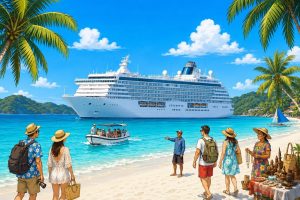
Cruise ship arrivals in Boracay are often welcomed as signs of tourism growth. A single vessel can bring hundreds or even thousands of passengers to the island. The sight may be impressive, but the more important question is: How much does the local economy actually benefit?
Unlike regular tourists, cruise passengers usually stay for only a few hours. They do not book hotel rooms and often take their meals aboard the ship. Many excursions are also arranged by cruise operators, which may retain a substantial portion of the fees. Consequently, local hotels, restaurants, tour operators and other businesses may receive only a limited share of passenger spending.
This creates an uneven form of competition. Boracay’s hotels and tourism establishments invest in buildings, employees, permits, sanitation systems and environmental compliance. They contribute to the local economy throughout the year. Cruise ships, however, can bring large numbers of visitors without making the same long-term commitment to the destination.
The island still carries the cost of their visit. Cruise passengers use Boracay’s beaches, roads, transport services, security, waste-management facilities and other public infrastructure. A sudden influx can create congestion and place additional pressure on an island already facing environmental and carrying-capacity concerns.
This does not mean cruise tourism should be rejected. Cruise calls can benefit local boat operators, drivers, tour guides, restaurants, souvenir shops, pasalubong sellers and community enterprises. They can also introduce Boracay to international travelers who may return for a longer vacation.
However, these benefits will not happen automatically. Local authorities should not be satisfied with merely counting ship arrivals and passenger numbers. They must determine how much money remains in the community after every port call and whether that amount is sufficient to cover the economic, administrative and environmental costs.
Appropriate anchorage, passenger and environmental fees should be collected. Cruise operators should be encouraged—or required—to use accredited local guides, transport providers, restaurants and tour operators. Passengers should be brought to local markets, community-based attractions and legitimate MSMEs instead of being limited to businesses selected by offshore cruise companies.
Local businesses must also prepare themselves. They should develop short, well-organized tour packages, reliable transportation, authentic food experiences and quality pasalubong products that can be enjoyed within the limited time passengers are ashore. Cooperation among local operators will help ensure that cruise spending is distributed more widely.
Cruise tourism can be a boon to Boracay, but only when the island negotiates from a position of strength. Allowing ships to drop anchor without securing meaningful local benefits risks turning Boracay into a free attraction—while the cruise company keeps most of the income and the community carries the cost.
The proper policy is neither unconditional acceptance nor total rejection. Boracay must welcome cruise visitors under clear rules that protect the environment, respect the island’s carrying capacity and ensure that local workers and businesses receive a fair share of the economic value.