Commentary
Aklan Economy: Weathering Inflation, Looking Toward Recovery

By John Dela Cruz
Economic Editorial | October 27, 2026
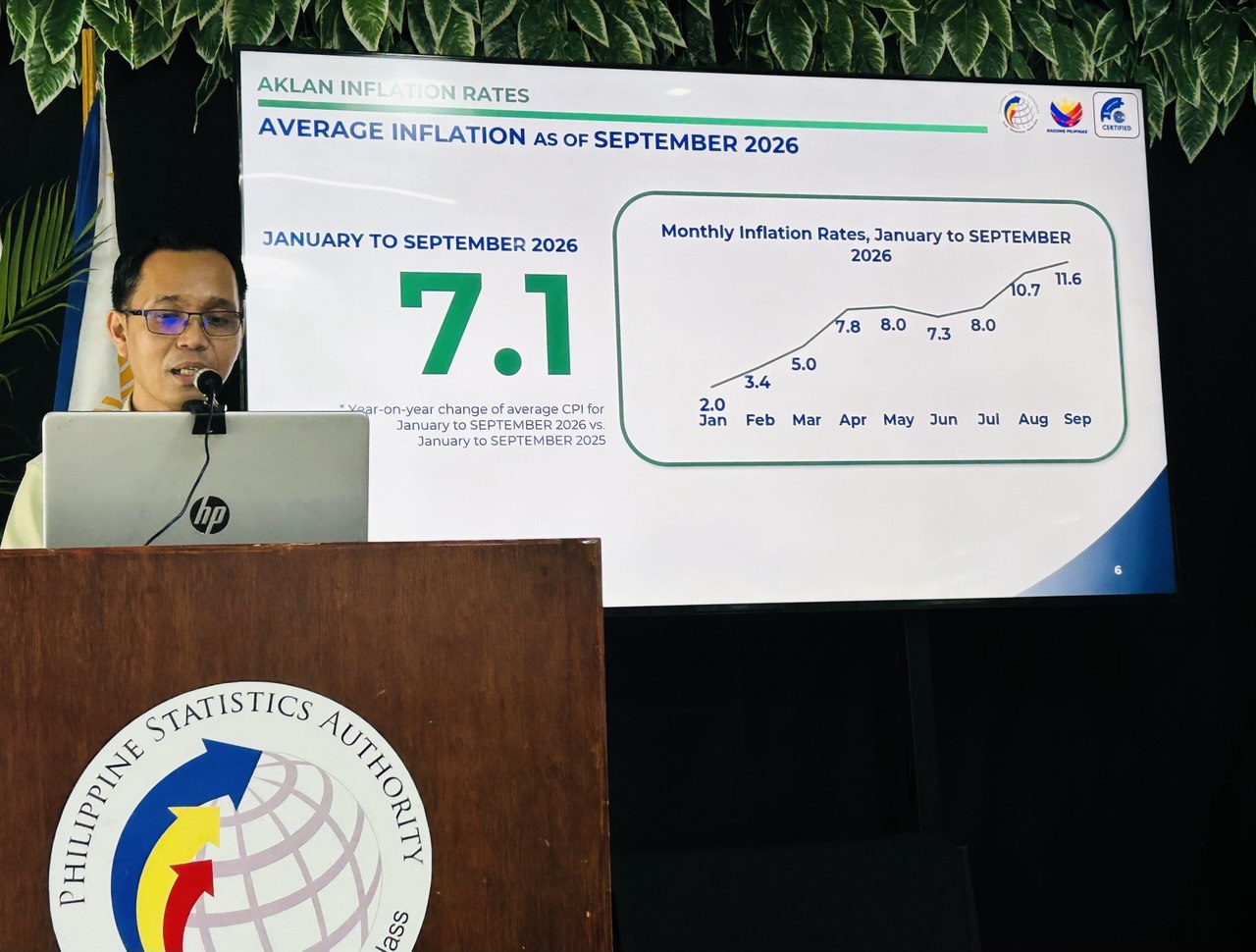
Aklan’s economy faces a challenging period as inflation reportedly reached 11.6% in September 2026, bringing the year’s average to 7.1%. Rising electricity, fuel, and labor costs continue to pressure households and businesses, weakening purchasing power and squeezing profit margins.
Particularly alarming is electricity inflation, which reportedly jumped from 7.7% in August to 19.2% in September. Coupled with recurring brownouts, expensive and unreliable electricity has become a serious burden on households, manufacturers, retailers, and tourism establishments.
The impending minimum wage adjustment to ₱590 daily this November, alongside rising fuel prices, could further increase business operating costs. While higher wages help workers cope with inflation, enterprises must improve productivity and efficiency to remain competitive.
Fortunately, relatively stable inflation in meat, cereals, and vegetables has helped cushion the impact on Aklan’s lowest-income 30% of households. Stable prices of essential food products are particularly important for families whose limited incomes are largely spent on daily necessities.
There are also encouraging developments.
With the peso reportedly trading around ₱63 to the US dollar, overseas Filipino workers’ remittances could provide greater peso purchasing power to recipient families. Combined with traditional Christmas spending and the January Ati-Atihan Festival, this could stimulate retail trade, transportation, hospitality, and other local services.
Tourism remains another important engine of recovery. Aklan should expand international visitor markets, develop mainland tourism destinations, and encourage investments that attract foreign spending.
Meanwhile, local businesses should strengthen agricultural production to substitute imported food supplies, develop export-oriented products, and invest in renewable energy to reduce operating costs.
The anticipated El Niño conditions remain a significant risk. Prolonged dry weather could affect agricultural production, water availability, and electricity demand, potentially extending inflationary pressures into early 2027.
Nevertheless, there are reasons for cautious optimism.
If weather conditions remain manageable, energy prices stabilize, and governance becomes more predictable, Aklan’s economy could recover sooner than anticipated, possibly before mid-2027.
The province must use this challenging period to build a more productive, diversified, and resilient economy.
Rather than merely waiting for inflation to subside, government and business leaders should act decisively to strengthen agriculture, tourism, renewable energy, and export development.
Aklan has weathered economic difficulties before. With sound leadership, stronger private-sector initiative, and favorable economic conditions, 2027 can become a year of renewed confidence, investment, and growth.