Latest News
Beneath The Iloilo Canopy And Caves

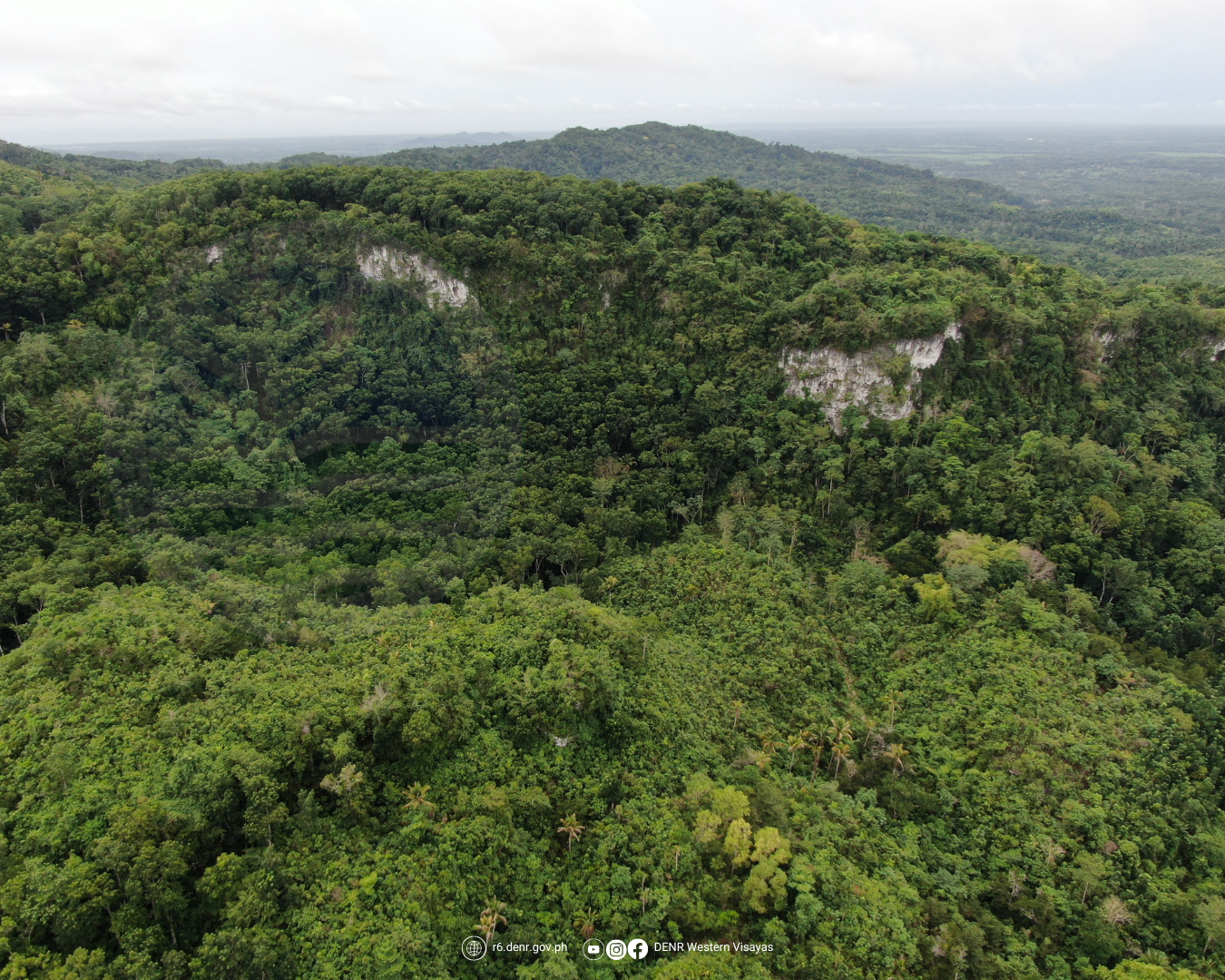
Iloilo City- Beyond the sweeping sugarcane fields of central Iloilo lies the 854-hectare Bulabog Putian National Park (BPNP), which traverses the municipalities of Dingle and San Enrique, Iloilo. The park stands out as a remarkable limestone mountain formation in Iloilo—a natural sanctuary where rich biodiversity and Philippine history converge.
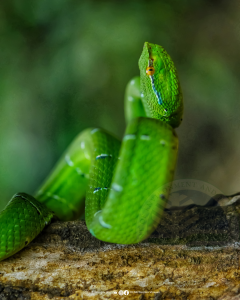
Walking along the park’s forest trails, the air echoes with the calls of native bird species while long-tailed macaques rustle through the trees. Beneath the canopy, native iguanas, pit vipers, and endemic forest snails navigate the humid undergrowth. Wild orchids, ferns, and air plants cling to aged limestone and tree trunks. Below ground, the park’s more than 30 limestone caves shelter massive colonies of insectivorous and fruit bats. These insect-eating bats act as natural pest control for neighboring farms, while fruit bats serve as essential pollinators and seed dispersers, driving natural forest regeneration across the region.
The conservation value of BPNP is deeply intertwined with its cultural heritage. During the late 19th century, Maestranza Cave provided refuge to Filipino revolutionaries fighting during the Cry of Lincud. Historic wall inscriptions left by freedom fighters remain visible today—a solemn reminder that this forest once safeguarded our ancestors in their struggle for freedom.
Yet, stepping into BPNP is more than a trip into nature. This lush forest—dominated by indigenous hardwood trees, including towering molave (Vitex parviflora), narra (Pterocarpus indicus), and century-old dao (Dracontomelon dao) reaching heights of up to 40 meters—acts as a natural green lung that prevents erosion and mitigates landslide risks during heavy monsoon rains.
Unbeknownst to many, this dense canopy creates a multi-layered defense system that feeds fresh water to natural outlets such as Moroboro Spring, sustains Lake Bito, and continually replenishes the broader Jalaur River Basin—the primary source of irrigation for thousands of hectares of farmland across central and southern Iloilo. During severe El Niño droughts, when open rivers across Panay Island dry up, Bulabog Putian’s karst network acts as a natural climate shock absorber by storing deep groundwater. Its dense canopy reduces evaporation, maintaining a cool microclimate and preserving soil moisture.
Protecting this park means honoring both its environmental and historical legacy. Today, however, the park faces modern challenges: human encroachment, the risk of illegal logging, improper waste disposal by visitors, and the sensitive nature of subterranean caves vulnerable to disturbance. Sustainable ecotourism, strict enforcement of national park regulations, and active community-led stewardship are crucial to ensuring this irreplaceable heritage remains intact.
Bulabog Putian National Park is a powerful reminder of what we stand to lose if fragile karst environments are left unprotected. Visiting this sanctuary comes with a responsibility: to tread lightly, leave no trace behind, respect wildlife habitats, and support local community guides who work tirelessly as guardians of the forest. It is a sanctuary that asks us not just to admire its beauty, but to actively protect it for generations to come. /DENR