Commentary
The Trial By Facebook – A Silent Crisis Threatening Our Public Health System

By: Guillermo Sumbiling
The digital age has democratized communication, granting every citizen a megaphone. But in the realm of public health, this unfiltered power is cutting both ways. A troubling phenomenon has taken root across our social media feeds: the rise of the “Facebook trial”—a swift, brutal, and often unverified form of public shaming that bypasses institutional integrity and threatens the very backbone of our healthcare system.
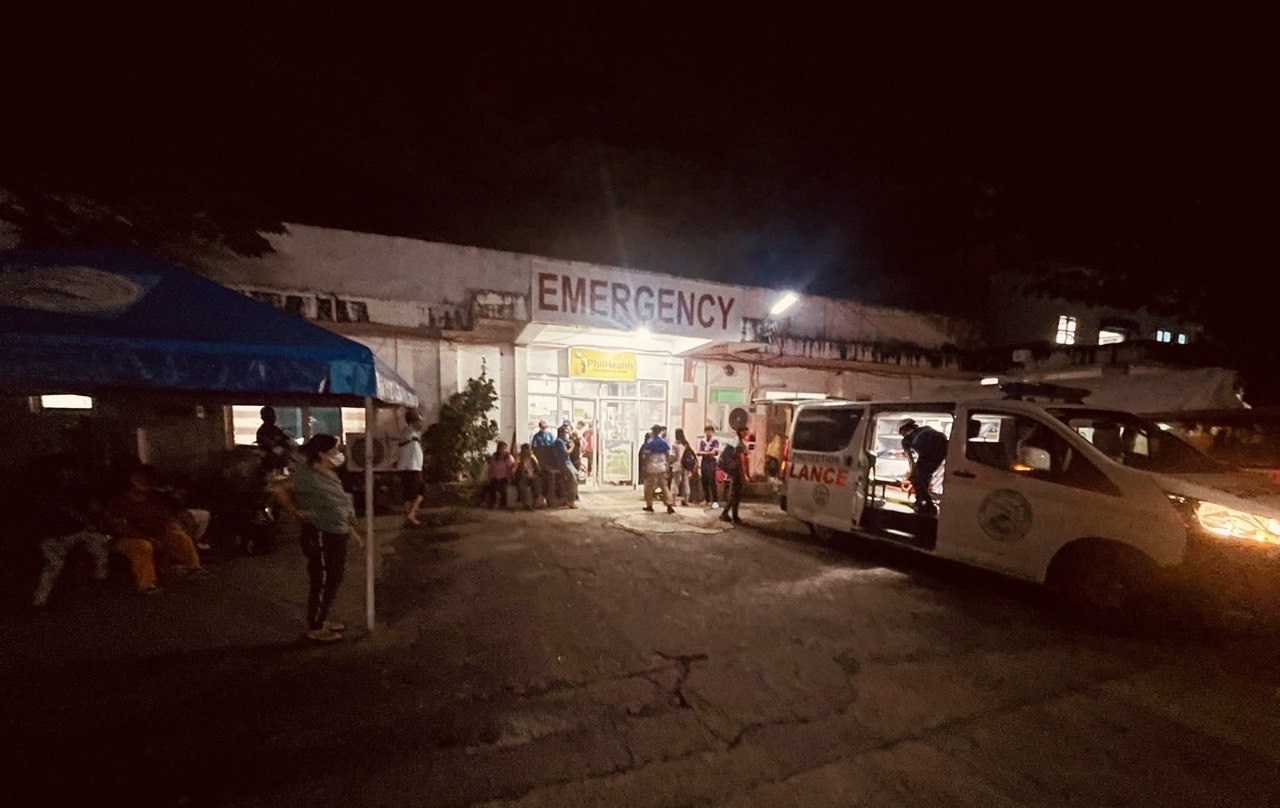
The gravity of this issue was recently brought into sharp focus by a timely statement published on the personal blog and social media page of Jose Colada Jr. of Albay. Raising alarm over the climate at the Dr. Lorenzo P. Ziga Memorial District Hospital in Tabaco City, Colada highlighted a bitter reality: doctors and nurses are being driven to resignation by online public complaints, laying bare how we are increasingly trading institutional accountability for digital vigilantism.
No one argues against the public’s right to competent, compassionate medical care. Dissatisfaction with public health services is understandable. Government hospitals often operate under immense strain, grappling with logistical hurdles, tight budgets, shorthanded staffing, and the relentless influx of patients. To demand better service is a civic duty. However, as Colada rightly emphasizes, public shaming, cursing, and judging health workers on social media is never the solution. Instead of fixing the system, keyboard judgments break the spirit of those who keep it running. It demoralizes nurses and physicians who report to work exhausted, under-equipped, and under-resourced, yet continue to stand on the frontlines. Worse, social media is an imperfect court. It is easily manipulated by anonymous troll accounts seeking chaos rather than correction. A single viral, out-of-context post can systematically destroy the hard-earned career and personal reputation of an individual who has dedicated their life to healing others.
When a public servant is unjustly hounded out of service by online mobs, everyone loses—most especially the marginalized. As Colada poignantly asks: what happens when there are no doctors left in government facilities? The heaviest burden will fall squarely on the shoulders of ordinary citizens who have no other safety net, no private alternatives, and no one else to turn to except public hospitals.
True accountability does not live in the comment sections of Facebook. It lives in institutional due process.
For those aggrieved by medical malpractice or poor service, robust, formal channels exist precisely to investigate and address wrongdoing fairly:
• In-Hospital Administrative Desk: Filing a formal written complaint directly with the Complaint Desk or the Office of the Chief of Hospital.
• Provincial Health Office (PHO) of Albay: Escalating systemic or personnel concerns at the provincial level.
• Department of Health (DOH): Raising grievances directly via Hotline 1555.
• Civil Service Commission (CSC) & Professional Regulation Commission (PRC): Pursuing administrative and professional accountability through proper legal mechanisms.
We must allow due process to run its course. Social media posts do not carry the weight of proper investigation, evidence, and fair defense.
If we truly desire a responsive, high-performing healthcare system, we must begin by treating its workers with basic human respect. Let us discard the toxic culture of trial-by-publicity.
When grievances arise, let us channel them through proper procedures—because protecting the dignity of our health workers is, ultimately, protecting the health and survival of our entire community.