Commentary
Boracay and the Distant War That Reaches Our Shores

By Guillermo Sumbiling
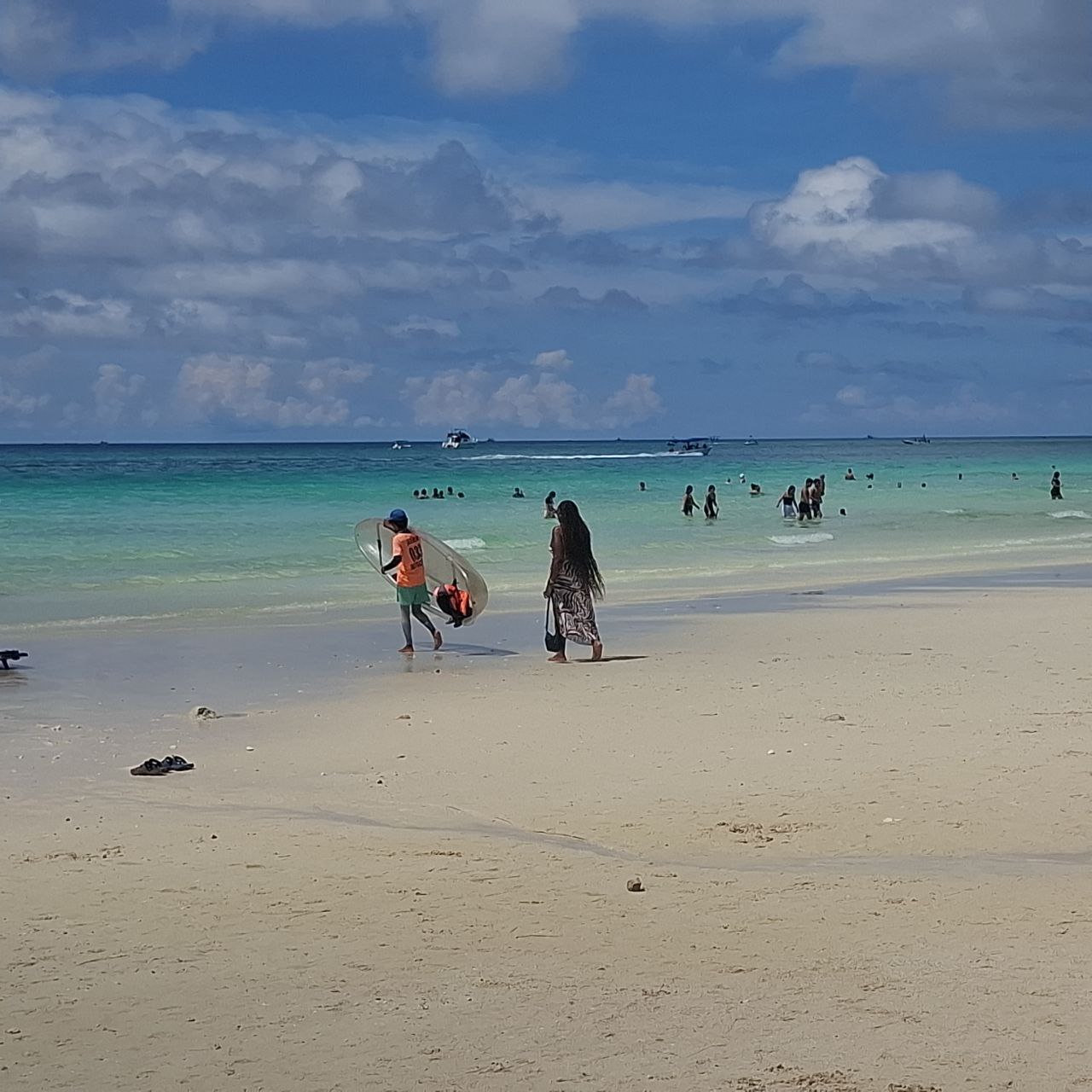
Boracay has long been celebrated as one of the world’s most beautiful island destinations. Its white sand beaches and vibrant tourism industry attract visitors from across Asia, Europe, and beyond. Yet once again, events thousands of kilometers away remind us how vulnerable the island’s tourism economy can be.
The recent escalation of conflict in the Middle East involving the United States and Iran highlights a recurring challenge for Boracay. Wars in that region do not only affect global oil prices—they also disrupt the aviation routes that connect Europe to Southeast Asia.
For many European travelers, the journey to the Philippines passes through airline hubs in the Gulf region such as Dubai, Doha, and Abu Dhabi. These hubs have become the bridge linking Europe with Asian destinations. A large number of tourists bound for Boracay transit through these airports before flying to Manila or Caticlan.
When tensions escalate in the Middle East, the consequences quickly reach the global aviation system. Airspace restrictions, security concerns, and possible rerouting of flights can disrupt airline schedules and increase operating costs. Flights may take longer routes, burn more fuel, and require additional insurance coverage.
The result is higher airfare and reduced travel convenience.
For long-haul travelers from Europe, a trip to Boracay already involves considerable distance. When ticket prices rise and flight schedules become uncertain, some travelers reconsider their plans. Others postpone their holidays or choose destinations closer to home.
This creates a ripple effect for tourism-dependent destinations like Boracay.
The island’s economy relies heavily on steady international arrivals. European visitors, in particular, often stay longer and contribute significantly to tourism spending. A slowdown in this market—even temporary—can affect hotels, tour operators, restaurants, and local workers who depend on tourism for their livelihood.
The lesson is clear: Boracay remains vulnerable to global events beyond its control.
While the island continues to thrive as a premier destination, strengthening tourism resilience and diversifying travel connections will be essential in navigating an increasingly uncertain world.