Lifestyle
Buhok ng Tikbalang, Asul na Tawas : Myth and Science

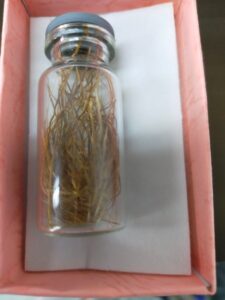
IKALIBO, Aklan- The Filipino occult tradition, there are many objects used as charms and known as “agimat” or “anting anting.” Each agimat has its own purpose and is believed to channel magic or sorcery to bring luck, remove hexes and exorcise evil spirits. Some agimats are used to provide the holder special powers such as the ability to attract a darling, tame an unruly behavior, or increase the persuasive influence of the owner. Other agimats are used to cure illnesses or maladies caused by the evil eye or poisoning by a sorcerer known as “Mangingilkig.”
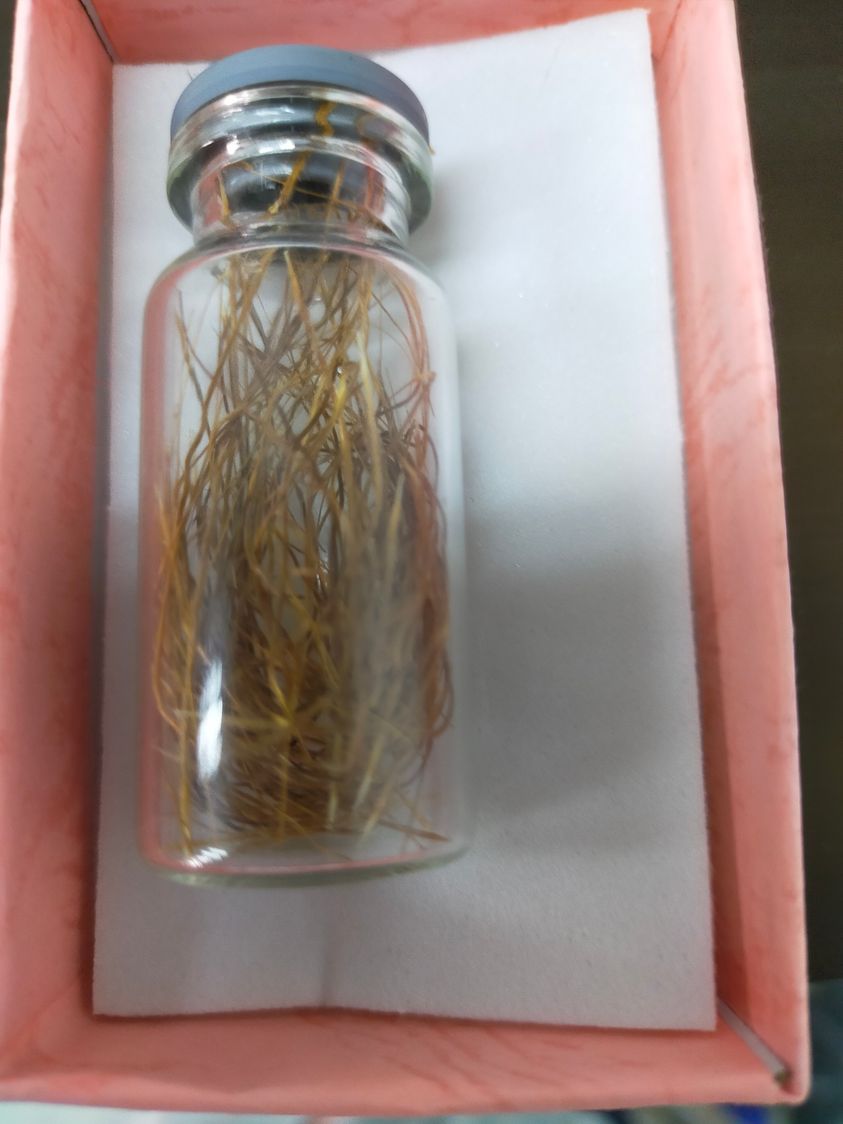
A “tikbalang “ is a monster in Filipino folklore believed to lurk in the Philippine mountains and forests. This is a tall, bony humanoid creature with the head and hooves of a horse and disproportionately long limbs. Allegedly, the tikbalang mane has three very thick sharp hairs of prominence. It is said that whoever gets ownership of the hair of the tikbalang will have the ability to control chosen subjects who will blindly obey consistently like a slave, the bearer of the tikbalang’s hair. Alleged locks of hair from the tikbalang are available from Antingeros or people who sell charms and amulets from Siquijor or Western Viasayas.
The belief in “Kilkig” is widespread in the Visayan lore especially in the provinces of Romblon and in the Western part of Aklan. The practice of “Pangingilkig” is done by a “KIlkigan” using a homemade poison containing crushed fluorescent light, and or human skull. The kilkigan harms the victim by secretly incorporating the mixture to the victims food or water (Pangigilkig). The victim then gets very ill—vomiting and having loose bowel movement. The victim can only be cured by approaching a kilkigan and bidding for an antidote. The kilkigan will then ask for a payment to cure the victim. The antidote consists of an “Asul na Tawas,” (blue alum) dissolved in a solution. The trading of antidote can command a high price from the victim particularly that the kilkig can result to the victim’s death if not cured using the antidote.
Raymond Sucgang, Laboratory Manager of the RJ Sucgang Center for Research in the Natural Sciences in Napti, Batan Aklan wanted to research on the agimats of Philippine folklore tradition. He acquired a “Buhok ng Tikbalang” (Tikbalang’s lock of hair) from an antigero and also an “asul na tawas” from a kilkigan. He wanted to determine the elemental composition of the alleged hair of the tikbalang and the asul na tawas of the kilkigan. With the use of X-ray Fluorescence Spectrometry (XRF) the samples were analyzed for elemental composition.
The technique was very ideal for the samples as the XRF analysis does not require tedious sample preparation and is a non-destructive to the sample. The samples can be analyzed directly in the XRF without loss or damage to the sample. After thirty minutes of putting under the machine results of the analyses were ready.
Sucgang was surprised to see the results for the purported mane of the tikbalang. The elemental composition was as follows: Cu, Rh, Eu, Al, Si, P, S, K, Ca, Cr, Mn, Fe, Zn, Os, Ni, Ir, Pd, Ag, Mo, Ba, Ti, Hf, Nb, Cl. Calcium was 35% , Phosphorus 26% and Potassium 22 %. The rest were mostly Silicon. The composition of horse hair is keratin and amino acids. The general chemical composition of hair is 45 % carbon, 28 % oxygen, 15 % nitrogen, 7 % hydrogen and 5 % sulphur. According to Sucgang, most likely the sample was not real hair because it was calcareous (Calcium rich) when hairs are supposed to be mostly Carbon.
“Either the sample was fake or the composition of tikbalang’s mane is really different from the normal composition of hairs,” Sucgang jested.
The analysis of the asul na tawas used to cure kilkig by kilkigans however, gave valuable information. The elemental composition of asul na tawas was made up of Cu, S, and O. No doubt this is Copper Sulfate pentahydrate said Sucgang. Copper sulfate is a naturally occurring inorganic substance that can kill bacteria, fungi, and algae.
This may be the reason why it can cure kilkig. Some harmful bacteria or fungi might be present in the kilkig poison especially that it usually contains crushed skull; copper sulfate can kill these microorganisms and that may be the reason for its curative properties against kilkig.
The symptoms normally associated with kilkig is dysentery-like : painful stomach cramps. feeling sick or being sick (vomiting) a high temperature. “At least we are able to unravel the secrets of our folklore medicines through the application of Science,” Sucgang said. He however warned that extreme exposures to copper sulfate can cause shock and death to humans as well as animals.
|
|