Environment
ICSC: Middle East tensions emphasize Philippine energy security must not depend on fossil fuels


Quezon City- The Institute for Climate and Sustainable Cities (ICSC) emphasizes that energy security must not depend on fossil fuels, as rising tensions in the Middle East expose the Philippines’ vulnerability to global fuel price shocks.
In a position paper released today, ICSC highlights that accelerating the deployment of renewable energy and modernizing the country’s power system provides a no-regrets strategy to strengthen the country’s energy security.
“When global price shocks or supply disruptions occur, we are reminded time and time again of the expensive costs that this heavy dependence on importation entails—and this story has been retold again now in the escalation of conflict in the Middle East,” ICSC said.
Currently, the country relies heavily on imported fossil fuels, particularly crude oil sourced from the Middle East. Recent developments illustrate how quickly international events can affect energy markets, as global fossil fuel prices have surged following escalating tensions in the Middle East, with crude oil increasing by 19 percent, liquefied natural gas by 47 percent, and coal by 15 percent on March 5. These price movements reflect the interconnected nature of global energy markets and the Philippines’ continued exposure to international fuel price volatility.
Fuel price increases have immediate consequences for households and businesses. The Department of Energy (DOE) warned of fuel prices increasing this week, with diesel prices expected to go up to PHP 24.25 per liter and gasoline prices estimated to have up to PHP 13.00 increase per liter. In a press conference yesterday, the DOE also cited projections of up to 16% increase in electricity rates by April if global supply disruptions continue, as brought on by the ongoing Middle East conflict.
The impact can be even more pronounced in off-grid areas where electricity is largely generated using diesel. While government subsidies help manage electricity prices in these communities, the paper notes that these costs are ultimately borne by electricity consumers nationwide.
Energy Security Through Renewable Energy and Grid Resilience
According to ICSC, strengthening the Philippines’ energy security requires reducing dependence on imported fossil fuels and expanding the use of indigenous energy resources such as solar, wind, hydro, and geothermal energy.
Because these resources are locally available, their costs are largely insulated from global commodity price fluctuations. Increasing their share in the energy mix can help stabilize electricity prices while improving the resilience of the power system.
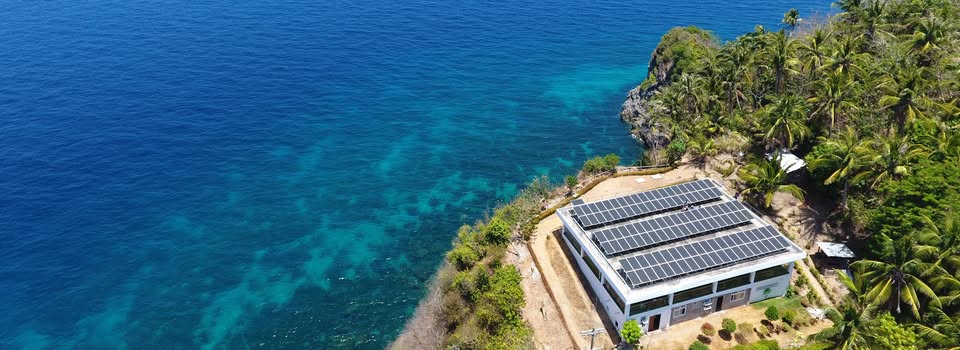
“Rooftop solar installations in homes, businesses, and government facilities can further reduce demand for fossil fuel-based generation while enabling consumers to produce their own electricity. Battery energy storage systems can enhance grid reliability by balancing supply and demand, while hybrid renewable systems can provide more stable and affordable electricity in off-grid and island communities,” ICSC emphasized.
At the same time, the country’s power infrastructure must evolve to support a more resilient and flexible electricity system. To achieve this, ICSC recommends strengthening grid flexibility through investments in energy storage, upgraded transmission networks, and smart grid technologies that can better balance supply and demand and support higher shares of renewable energy.
A more decentralized and diversified energy system—supported by distributed generation, flexible resources, and improved system planning—can help protect consumers from global fuel price volatility while ensuring a more reliable and secure electricity supply.
To this end, ICSC calls on the Philippine government to act decisively to accelerate renewable energy deployment in the country and modernize its power infrastructure, in order to provide more affordable, reliable, and secure power for all Filipinos. “Reducing dependence on fossil fuels also strengthens economic resilience. It improves the trade balance, shields the economy from commodity and currency volatility, and helps stabilize power costs,” they noted in the position paper.
“Translating policy priorities into action requires accelerating renewable energy deployment—a no-regrets strategy for strengthening energy security,” ICSC added.