Agriculture
PH sees gains in rice sector through unified efforts


Nueva Ecija- Nearly six years after the enactment of the Rice Tarication Law (RTL), the Philippines’ rice sector has made significant strides, thanks to the coordinated e!orts of the government, local authorities, farmers, and other stakeholders, according to recent
data.
Survey results show that initiatives such as the Rice Competitiveness Enhancement Fund (RCEF) and the National Rice Program (NRP) have played a pivotal role in the sector’s growth by empowering farmers and promoting the adoption of modern farming technologies.
In 2023, the Department of Agriculture (DA) expanded the RCEF’s coverage from 57 to 77 provinces, beneting over a million rice
farmers, including those in remote communities.
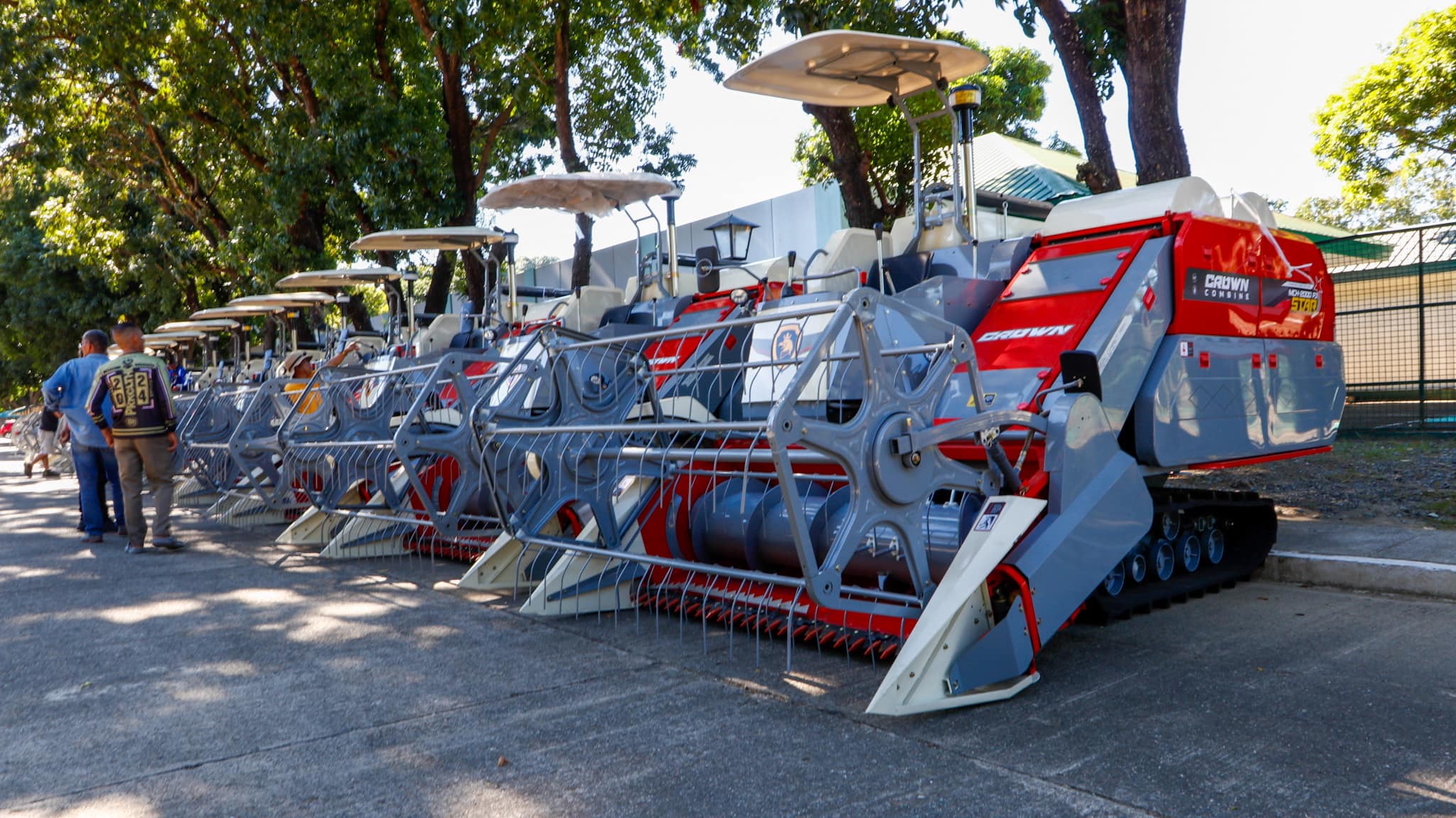
The Philippine Center for Postharvest Development and Mechanization (PHilMech) reported that, as of March 2024, 6,385 farmers’ cooperatives and associations (FCAs) and 368 local government units (LGUs) received farm and postharvest technologies through RCEF’s Mechanization Program.
Meanwhile, the Philippine Rice Research Institute (PhilRice) provided free high-quality inbred seeds to 1.77 million farmers by August 2024.
Additionally, data show that between 2019 and 2024, the RCEF Mechanization Program delivered 29,599 units of farming equipment, including machines for land preparation, harvesting, and milling. This initiative has reduced labor costs by P2 per kilogram of palay and increased farm income by Php 9,000 per hectare, according to PHilMech’s impact assessment. Mechanization also helped reduce postharvest losses by 31,841 metric tons annually, saving P541.3 million and boosting food security.
The drive for modernization has increased the mechanization level of rice farms to 2.77 horsepower per hectare in 2024, up from 2.68
horsepower per hectare in 2019. Combine harvesters and four- wheel tractors accounted for 52% and 29%, respectively, of the increase in farm power.
In 2023, the rice sector achieved a record-high palay production of 20.06 million metric tons, driven by increased yields in both
irrigated and rainfed areas. PhilRice reported that farmers beneting from the RCEF program saw higher yields in both the dry and wet
seasons from 2019 to 2023.
Dry-season yields increased from 3.63 metric tons per hectare to 4.34 metric tons, while wet-season yields rose from 3.69 metric tons
to 4.03 metric tons. At the same time, production costs dropped by P1.65 per kilogram during the dry season and P0.42 per kilogram
during the wet season.
Despite these advancements, experts note that the rice sector still faces challenges such as typhoons, climate events like El Niño and
La Niña, and high input prices.
However, many believe the sector’s long-term prospects remain promising. The achievements in mechanization, yield improvements, and cost reductions highlight the importance of continued collective e!orts to strengthen the rice industry, stakeholders say