Tech
SciScape: Rediscovering Wonder in Makati’s Interactive Science City


A Review by Maria Solita Zaldivar-Guzman
As a child, I once dreamed of becoming a scientist, not for fame or fortune, but for the sheer wonder of it. I wanted to understand everything, to invent things that could make life easier, and to answer every “why” that popped into my head.
Back then, science was not just a subject in school—and my favorite, for that matter—it was a world of imagination and infinite possibilities. Stepping into SciScape at Ayala Malls Circuit Makati brought me right back to that childhood wonder.
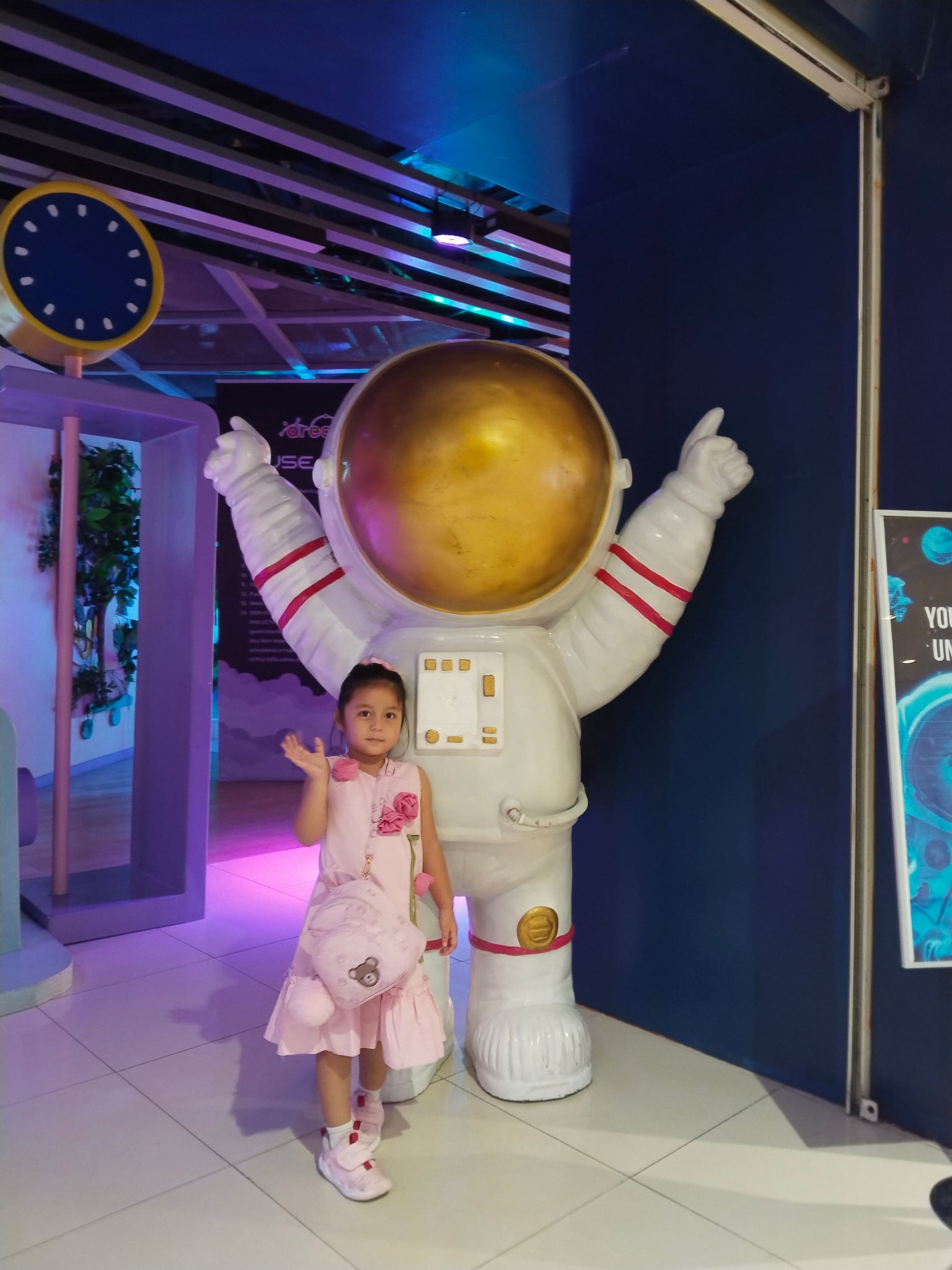
SciScape is not your typical museum or learning center. It is a play city—a vibrant space where science is not something to memorize, but something to live and experience. With over 30 interactive zones, it invites explorers of all ages to touch, test, tinker, and try. From baking experiments that teach chemistry, to sensory surprises that activate the brain’s creative centers, to cosmic motion rides that let you feel the force of space, SciScape makes learning become play and play become learning. At the entrance, an astronaut welcomes you to a space adventure, followed by an archway of vines and flowers.
The first station, Cosmo Space, invites you in with the question, “What is Science?” Tables and chairs are arranged for arts and crafts, where visitors can enjoy a complimentary beaded keychain decoration activity included in the ticket. Other activities, however, require additional payment. Next is the Scent Scape, which features a wide array of flowers for visitors to smell. The Aqua Space has a large centerpiece aquarium filled with goldfish, while smaller containers on the side hold various fish species, some of which are up for adoption and placed in plastic square containers that are safe for transport.
There is also a Tiny Buds Workshop that showcases Filipino-made mom-and-baby products. Visitors are given a shopping list to complete, and upon finishing, they receive slime as a prize. Within the play area is the Rain or Shine Hue Choose Your Pantone Workshop, where plaster figures of different sizes—including a “lechon” worth ₱1,200—can be painted using the trusted Filipino paint brand. It is noteworthy and commendable that SciScape highlights quality local products. Tierra Scape is all about terrestrial life, allowing visitors to blow smoke from an open terrarium.
Wind Scape features swirling balloons suspended in midair that visitors can play with. The Gem Scape contains small pebbles, a sand pail, and a shovel where visitors can dig and collect plastic gems. Beside it is the Sand Scape, filled with kinetic sand for tactile exploration.
The Moon Scape features a treadmill that simulates the sensation of walking on the moon. In the Space Scape, visitors can lie down in a CT scan-like machine with a screen overhead showing a documentary about the galaxy and outer space.
Land Scape features kinetic sand integrated with a screen and projector. Touching different parts of the setup triggers earthquake vibrations or creates water where fish appear. Placing the sand into a volcano structure triggers a mini volcanic eruption.
Nearby is the Space Market, stocked with plastic fruits, vegetables, and meat products, along with baskets and a toy cash register. The Space Hotel is a small room setup with a bed, pillows, and a toy toilet. At the front is Candy Republic, where candies are sold by the gram at one peso each, with a minimum purchase of ₱150. On the side is a cereal station offering a variety of cereals, free of charge.
The Lava Scape, filled with mesmerizing lava lamps in different colors, is a visual delight. In the middle of the play city is the Space Rail Train, where individual pedal-powered cars let visitors move around the track. Adjacent to this is the Sound Scape, which features various instruments such as a lyre and drums. This area also includes arcade games, with classics like the run-and-gun shooter Metal Slug and a hit with gaming enthusiasts.
The Wiz Lab is the pizza-making area. Here, pizzas made from pita bread are pre-cooked, and visitors can decorate them with their choice of toppings for an additional fee.
The Aurora Scape resembles a mini amusement park, filled with child-safe games, slides, and a ball pit. Along the sides are interactive stations explaining scientific concepts such as gravity, force, and motion in fun, hands-on ways. Other premium activities not included in the entrance fee but available at discounted rates through package deals include the Dream
Dough station for cake baking and decorating, and the Mixing Lab, where visitors can craft soaps and other household products. Wonderville features a large inflatable slide and ball pit, a row of electric buzzers for reaction-based challenges, and a Quiz Bee Nook for team-based trivia games, which is ideal for school field trips or group activities.
Next to this is the Souvenir Area, where visitors can paint on canvases, with prices varying by size. Just outside is the Basimatsi suka (vinegar) making area, a hands-on activity more suitable for adults. Nearby is the 360° ride, a thrilling full-turn amusement attraction for a minimum of two and a maximum of six people, intended for adults only, who are required to sign a waiver. There is also a rest area with charming tables and chairs, an eye-catching space especially designed for parents or guardians whose children are enrolled in the on-site play school which functions like a day care and is exclusive to members.
At the exit is the Slime Creamery, where visitors can choose their preferred slime color and design, with prices depending on the style. More than just fun, SciScape reminds us that science is everywhere. It is in the food we cook and eat, in the way plants grow, in the animals around us, in nature, and in the stars that move across our skies. And for kids, and kids at heart, it opens up a world of questions, along with the thrill of discovering the answers.
The beauty of science lies in its power to awaken curiosity and the joy of discovery—that feeling when an experiment works, when a question is finally answered, or when a new one emerges. SciScape celebrates this, not through dry lectures, but through everyday discoveries, hands-on experiments, and immersive play. It is a reminder that science is not just for classrooms but it is for life.
Maria Solita