Agriculture
Survey says, Rice, not meat, is Filipino’s top protein source

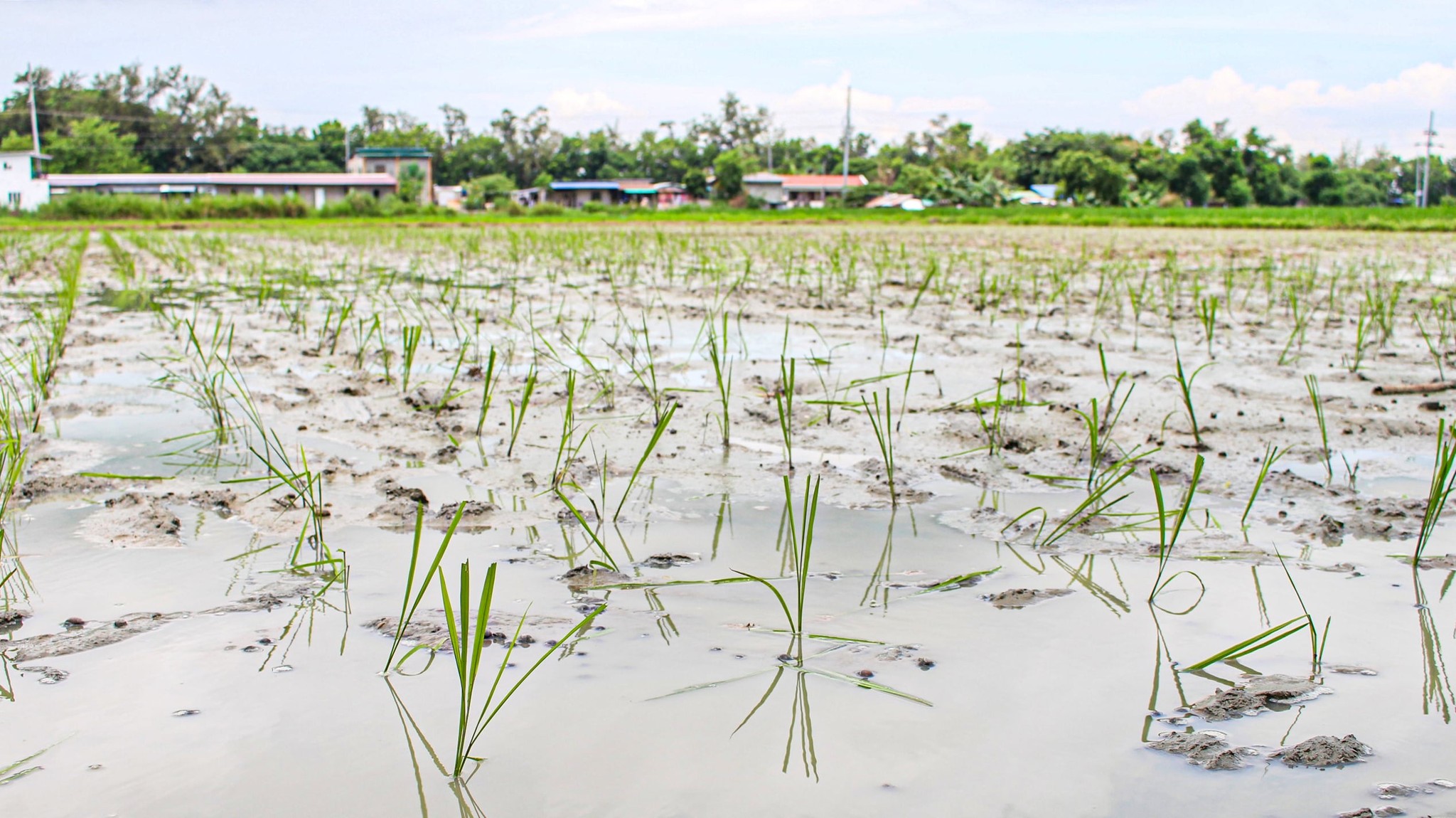
Rice and not meat is the source of protein for Filipinos.
This was one of the key highlights shared by Dr. Eva Goyena, Senior Science Research Specialist of the Department of Science and Technology – Food and Nutrition Research Institute (DOST-FNRI), during the 51st FNRI Seminar Series held at Dusit Thani Hotel, Makati City.
Drawing from the results of the 2023 National Nutrition Survey, Dr. Goyena emphasized a disturbing reality: rice and rice-based products now account for around 50% of the average Filipino’s energy intake, far exceeding the recommended amount in a balanced diet.
Rice according to her, contains various vitamins, such as thiamin and niacin, and minerals, such as zinc and phosphorus. Some nutrients, including vitamin E, magnesium, potassium, and manganese, are lost during milling and polishing—the process by which brown rice becomes white or polished rice—and are therefore only found in brown rice.
Some specialty types of rice, such as those that are purple or red in color, contain more of the pigment anthocyanin, a known antioxidant. Despite these, when eaten on its own, rice (whether white or brown) from existing varieties does not provide enough micronutrients for optimum health.
Rice is also a valuable source of complex carbohydrates, which is the best source of energy. In the past, rice had been generically assessed as a high-glycemic index (GI) food. GI is a measure of the relative ability of carbohydrates in food to raise blood sugar levels after eating.
According to the International Rice Research Institute (IRRI), high-GI foods can increase a person’s chances of getting diabetes, while low-GI foods are better for health and can help lower the chances of developing diabetes.
But despite the Philippines’ rich biodiversity and access to protein-rich food like fish, eggs, and meats, rice remains the biggest source of protein and energy in the Filipino diet, overshadowing healthier and more nutrient-dense food groups.
Nutritionists recommend the “Pinggang Pinoy” approach, where:
- Half of the plate is filled with fruits and vegetables;
- One-fourth is made up of rice or other carbohydrate sources (such as root crops, pasta and/or noodles);
- And the remaining one-fourth is for protein-rich foods such as fish, poultry, eggs, or plant-based sources like Monggo [beans] and Kadyos or Pigeon Pea.
However, Dr. Goyena explained that multiple factors—ranging from personal preferences and budget constraints to lifestyle limitations and food environment—heavily influence the Filipinos’ overdependence on rice.
“Base po sa pag-aaral namin doon sa project naming Food and Vegetable for Sustainable Healthy Diet or FRESH project, nakita po dito yung complex factors affecting or shaping our dietary patterns. Personal: It can be preference, it can be your practical limitations; kung very busy ka, wala kanang time magluto ng iba’t-ibang variety of foods and vegetables. Budget: S’yempre ang pinakacheapest source is kanin, basta mabusog ka, basta makakain ka, may kaunting ulam, ayos na ‘yon. Practical limitations: ‘Yung budget mo, yung time mo, yung lifestyle mo, and then also yung environment. That’s one na napaka-laking bagay.
(Based on our study under the project called Food and Vegetable for Sustainable Healthy Diet, or the FRESH project, we saw that there are complex factors affecting or shaping our dietary patterns. Personal factors: These include food preferences and practical limitations. For instance, if you’re very busy, you won’t have time to cook a variety of foods and vegetables. Budget: Of course, the cheapest source of food is rice. If you feel full, as long as you’ve eaten, even just with a little side dish. That’s already okay for many. Practical limitations: These involve your budget, your time, your lifestyle.)
She added that the food environment also plays a big role, emphasizing that food choices are influenced by what is promoted, marketed, accessible, affordable, and available nearby. If unhealthy food is cheaper and easier to get, Filipinos are more likely to choose it.
“Kung mas maraming mga less healthy or unhealthy foods, dahil mas affordable, nand’yan lang s’ya, madaling bilihin. Of course, ‘yon ang mas tatangkilikin ng mga Pinoy,” Goyena added.
(If there are more unhealthy or less healthy food options that are more affordable and easily accessible, then of course, those are what Filipinos will more likely consume.),” she noted.
The FRESH Project, spearheaded by DOST-FNRI, found that Filipinos are consuming significantly fewer fruits, vegetables, and protein-rich foods than recommended. Many meals are heavily carb-loaded, leading to nutrient imbalances and potential long-term health risks.
Dr. Goyena also warned that overconsumption of rice and other energy-dense foods, especially without physical activity, may lead to obesity, which increases the risk of non-communicable diseases such as diabetes, hypertension, and cardiovascular conditions.
“Once you are overweight, nag-aattract na po tayo do’n ng ibat-ibang non-communicable diseases or what we called the lifestyle-related diseases. (Once you become obese or overweight, you become more prone to various non-communicable diseases, or what we call lifestyle-related diseases.),” she explained.
DOST-FNRI continues to advocate for a diversified, balanced diet rich in fresh produce, emphasizing that good nutrition is key to preventing disease and building a healthier, more resilient Filipino population.
“I’m not saying hindi kayo kumain ng rice, but it [should be] in moderation… And take note, kalahati ng plato natin should be coming from fruits and vegetables,” Goyena concluded.
(I’m not saying you shouldn’t eat rice, but it should be in moderation… And take note, half of our plate should come from fruits and vegetables.)
The 51st FNRI Seminar Series of the DOST-FNRI is one of the many initiatives of the Department of Science and Technology (DOST) aimed at providing science-based, innovative, and inclusive solutions across four strategic pillars: human well-being, wealth creation, wealth protection, and sustainability. These pillars embody the mantra OneDOST4U: Solutions, Opportunities for All. For more information, visit www.fnri.dost.gov.ph. (By Abigael S. Omaña, DOST-STII)