Business
The 3-Signature Syndrome and the Crisis of Trust in the Philippines

By: John Dela Cruz
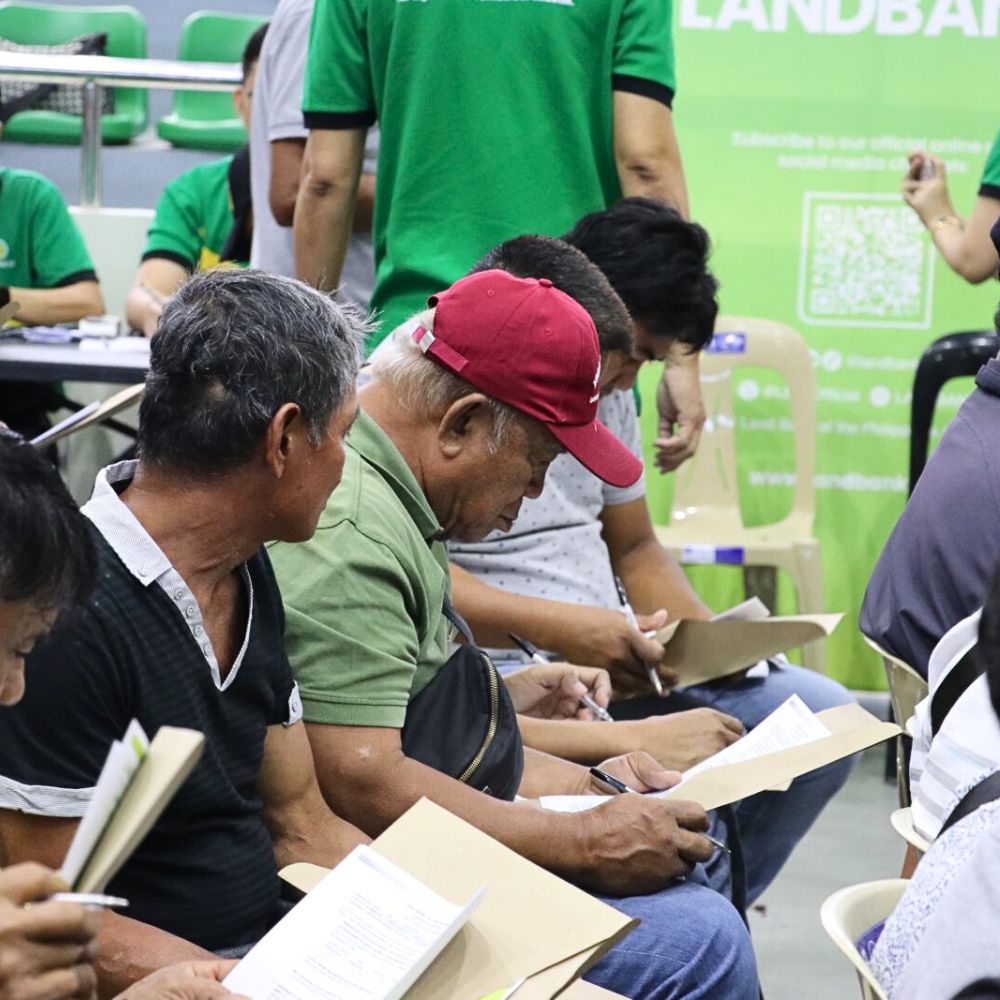
Have you ever opened a bank account, applied for a loan, or tried to get a water or electricity connection in the Philippines? Chances are, somewhere along the process, you were asked to sign your name three times. Not once, not twice—but three. You might ask, “Why?” And more often than not, the answer you get is a blank stare or the resigned explanation: “Standard requirement po, sir/ma’am.”
Welcome to the bureaucratic reality of the Philippines—where trust is scarce, paperwork is king, and digital convenience is still treated with suspicion.
In most modern systems around the world, one verified signature—or even better, one digital identity—is enough. Apply for a visa in many countries, and all you need is a passport and a single signed form. No drama. No redundant signatures. No blank pages. Because the system trusts that you are who you say you are.
But in the Philippines, trust is not a given—it’s a burden you carry with every document, every ID, every security check.
Why Three Signatures?
The practice is not enshrined in law. It’s not based on scientific data that says three samples make identity foolproof. It’s simply an inherited tradition from a bureaucracy obsessed with “just in case.” Just in case the first signature doesn’t match. Just in case the second one is forged. Just in case the staff in charge forgets how to verify a real ID.
It’s a reflection of a deeply rooted mistrust—of people, of systems, and even of one’s fellow workers. It’s not efficiency that drives our processes. It’s fear. Fear that someone will cheat the system. And so, the system responds by making things harder for everyone.
The Crisis of Trust
From the minute you enter a mall and someone pokes your bag with a stick, to the ID check before boarding a domestic flight, to the guard frisking workers clocking out of their shift—it’s clear: trust is not institutionalized in the Philippines. Surveillance and suspicion are.
Our systems are not built to empower citizens but to control them. Instead of designing transactions around ease and trust, we build them around barriers, assumptions of wrongdoing, and worst-case scenarios. It’s not just inefficient—it’s exhausting.
A Digital Future Held Back by an Analog Mindset
We talk about digital transformation, national ID systems, e-governance, and paperless offices. But all of these are rendered useless if the mindset doesn’t evolve. We cannot barcode our way out of a trust deficit. The 3-signature rule survives not because it’s effective, but because we haven’t learned to believe in our systems or each other.
The Way Forward: Build Systems That Deserve Trust
We don’t need three signatures. We need one reliable, secure, verifiable system. We need institutions that believe in the capacity of modern tools to verify identity and enforce accountability. We need a culture that assumes good intentions—not criminal ones—by default.
Trust doesn’t mean being naive. It means building systems that work so well that people don’t need to be paranoid. And it begins with simple changes—like asking why we need three signatures in the first place.
Until then, the pen will keep running out of ink, and so will our patience.(photo by: Landbank)