Commentary
The Black Nazarene and the Ibajay Ati-atihan

By: Jun Barrientos Magpusao
The fiesta of Señor Santo Niño in Ibajay, Aklan is comparable to the Feast of the Black Nazarene of Quiapo with its “translacion”, the feast of Our Lady of Peñafrancia in Naga City whose main highlight is the fluvial parade along Naga River, and the Pagoda Festival in Bocaue, Bulacan with its river parade honoring the Holy Cross of Wawa. The similarity is in the religious fervor of the devotees which I observed during the fiestas’ mentioned highlight. The intense adulation of the devotees is because of the many miracles attributed to the icons of these fiestas.
In Ibajay, we have on vesper the “pagsaylo” or the transfer of the miraculous image of Señor Santo de Ibajay from the rectory/convent to the church at noon. During this event, Ibayjanons and devotees from other places patiently wait in front of the rectory and the church, and also inside the church including the choir loft where one can have a vantage view of the enthronement. Once the image is seen emerging from the rectory’s door, shouts of praises and welcome and the beatings of drums fill the air with so much energy.
This will happen tomorrow, January 27, and first time visitors in Ibajay should not miss this poignant and hair raising moment as residents and devotees welcome the miraculous image. I guarantee that people with pious heart especially those with deep devotion to the Santo Niño could not avoid shedding tears while in the midst of rapturous occasion. Then in the afternoon, people performs a free-for-all “sadsad,” spontaneous not organized, along the main streets of the Poblacion for as long as they like and could endure.
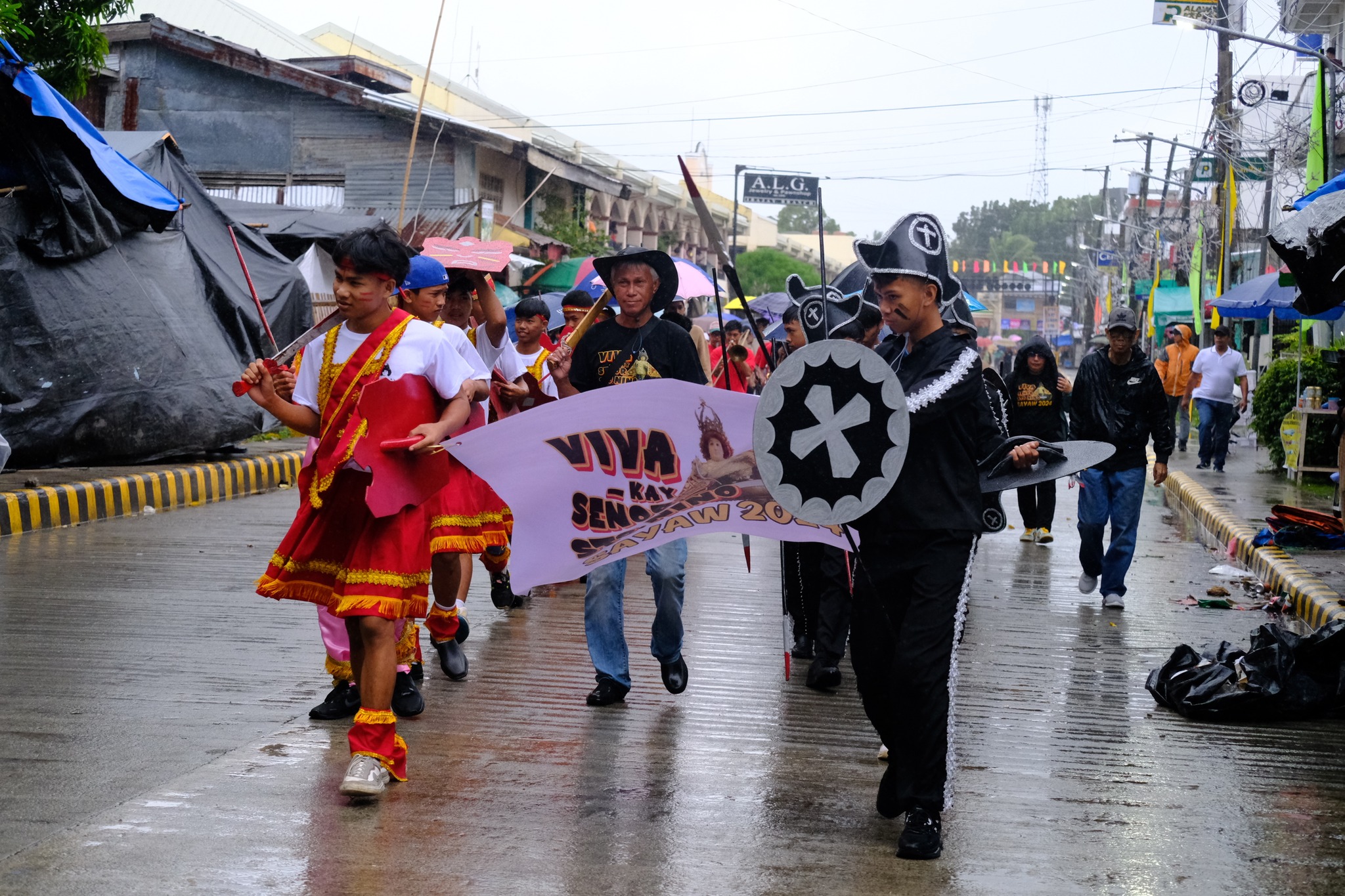
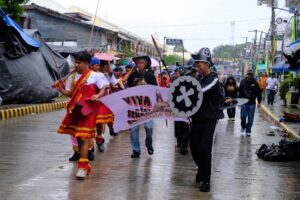
This afternoon as I write this post, residents and visitors are already on the streets, waiting or maybe already witnessing another spectacle called “Sinaot sa Kalye” participated in by all secondary schools, public and private, in Ibajay. It is called “sinaot” and not “sadsad” because the street presentations have choreography.
Then on Sunday after the Masses, a street parade of Ati groups and floats from participating barangays will be another spectacle that should not be missed. Ibajay call the parade as “Ati-Ati” not “sadsad,” primarily because it is how it is known and called since the beginning more than 400 years ago, and secondly, the performance of Ati groups who are in competion are choreographed. However, anyone can join behind each group and perform the “sadsad.”
“Sadsad” is a term associated with the celebration of the feast of the Santo Niño in the province of Aklan and is deeply rooted in the devotion of the Aklanons to the Santo Niño. Although some participants, nowsdays, especially the young generations, mistakenly consider it as merry-making, the history behind both the “Ati-Ati” and “Sadsad” is penitence or offering of sacrifice, as well as expression of thanksgiving.