Sports
Personal observations to Alex Eala vs Swiatek game

By: Antonio Salazar Aguirre
1. From the time I first saw her in her maiden WTA main draw match in Kluj-Napoca 4 years ago, ibang-iba na sya. She was a counterpuncher who wasn’t fast enough to be a counterpuncher. (A counterpuncher is the type of player who relies on the opponent’s power to return the ball with equal or more power, instead of a player who generates her own power. Hence, a counterpuncher must move fast because she needs to be in a good position to return a powerful hit. She wasn’t as lean as she is now and she was quite slow as a counterpuncher. A coach should recognize the natural strengths and weaknesses of his player and design her game to cover-up the weaknesses and harness the strengths. I was quite dissatisfied with Alex Eala’s counterpunching style early in her career kasi medyo mabagal sya gumalaw. If she couldn’t improve on her mobility, she better play aggressive.
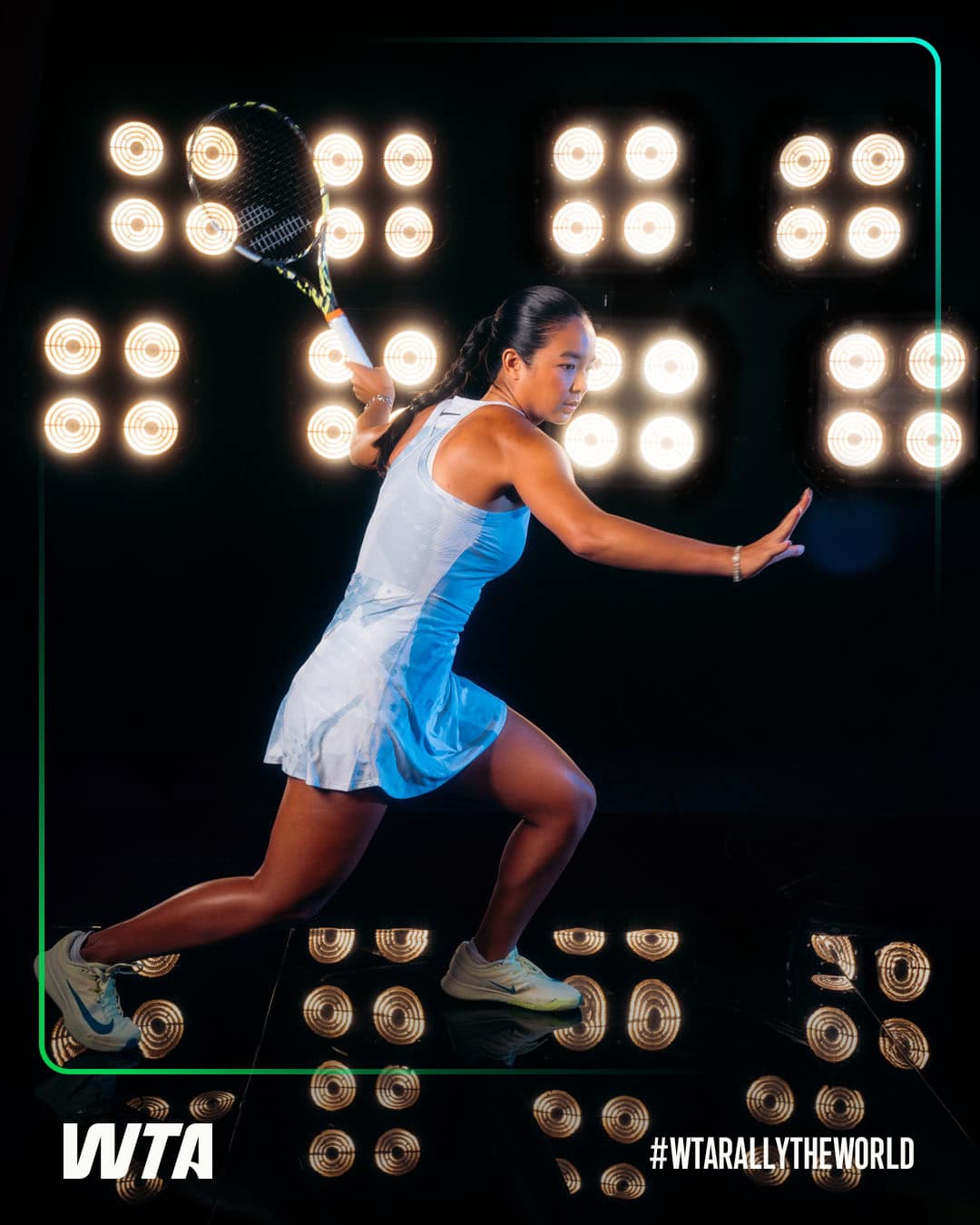
2. She’s now an aggressive player who pushes forward and strikes the ball hard (especially forehand side), with a view to ending the point if not with that shot, but a couple of shots later. I always called for a coaching change because I think the counterpunching style does not suit her and champions are those who take the initiative or creates an opportunity to end the point, not someone who waits for an opportunity to end the point. Very few counterpunchers have won Grand Slams (notables – Michael Chang, Thomas Muster, Arantxa Sanchez-Vicario, Svetlana Kuznetsova). yes, they did win slams, even became No. 1 at some points of their career, but they never dominated the game. Even if they won, they were always at the mercy of their opponents and half of the victory is to be credited to the opponent not finding her rhythm.
3. The key to Alex Eala’s future victories would be her ability to find her rhythm early in the match. That means along warm up and try to go for her shots early on. It reaults in a lot of errors in the beginning of the match, but she should be able to settle down after a couple of games. She will be facing a counterpuncher (Pegula) in the semis and counterpunchers’ game plan is always to not allow her opponent to find rhythm. She’ll throw in lobs, slices, top spins, occasional flat shots to try to throw the opponent off-balance or hit a short ball, which will open the opportunity for the counterpuncher to put the ball away. For counterpunchers, patience pays dividends. They avoid playing high-risk shots that would yield big rewards if executed well. They do not rush their shots. Usually, they hit the ball when it’s already descending, to buy more time to make the shot.
*Pinoy style (and also Spanish style) of tennis is counterpunching. Nadal is actually a counterpuncher but he brought counterpunching at a higher level with his heavy spins. he’s an extraordinary counterpuncher – high clearance balls but with heavy spin that would throw the opponent off-balance.
Seeing Alex Eala employing a more aggressive approach – taking the ball early (on the rise), lower clearance above the net (which makes the ball more difficult to retrieve), and more flat, which allows more power – is refreshing. I always wanted her to play that way and I thought the Rafa Nadal Academy would not let her do it. These shots have lower percentage of clearing the net or landing in, but if executed well, returning the ball would be difficult. In the 90s, they called it “Big Babe Tennis”. Think of Lindsay Davenport, Mary Pierce, Steffi Graf, Monica Seles, the Williams Sisters. They played Big Babe Tennis.
**Practice na ito ng aking future life as a Sports Blogger .
Also, pinangarap ko rin maging tennis coach kasi tanggap ko naman na I’m not good enough to play competitively.