Politics
Clean-Up All the Way: Beyond Boracay’s Front Beach

Words by Dadmar Amores
Boracay- While following up some official documents at the Barangay Balabag Hall, I had the opportunity to sit down with Barangay Captain Jason Y. Talapian. It had been years since my last visit to the barangay hall, and the difference was striking.
The office now carries a modern and almost corporate ambiance — clean, organized, cool, and welcoming. Even the lighting felt cozy and relaxing, a welcome relief from the scorching heat outside.
“Dapat lang naman,” Talapian told me. “Boracay is one of the world’s best tourist destinations. Our people deserve a comfortable barangay hall.”
He proudly showed the renovated comfort rooms which, honestly, can rival those of some hotels on the island. Under his leadership, the entire barangay hall underwent major improvements, including a well-designed session hall.
“Having a clean and comfortable office with excellent service reflects leadership and governance,” he added.
Our conversation soon shifted from public service to a bigger concern — garbage.
For years, Boracay’s clean-up efforts have largely focused on the famous front beach.

I understandably so. The beachfront is the island’s global postcard. Hotels and establishments spend heavily to maintain its beauty.
But Talapian pointed out something many people quietly notice.
“Maraming basura sa loob ng komunidad — papers, plastic bottles, disposables,” he said. “Sa harap ng beach maganda, pero pagdating sa likod, malaking contrast.”
With the rise of multi-storey hotels and buildings, the “backside” of Boracay is no longer hidden from visitors. Some tourists themselves have reportedly taken photographs showing dirty alleys, neglected spaces, and garbage behind high-end establishments.
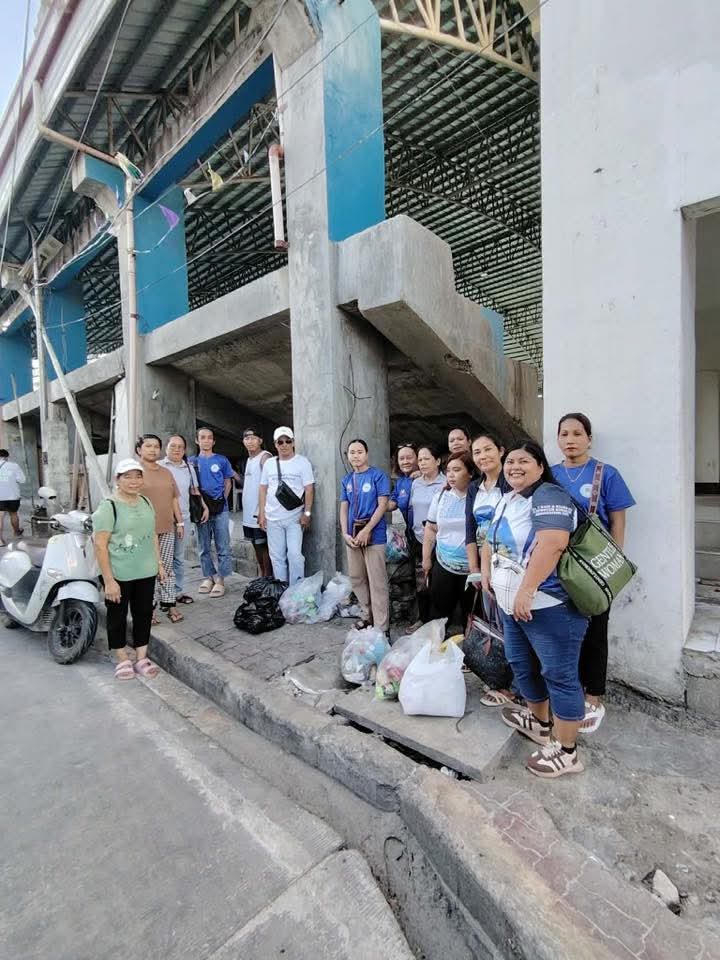
That reality inspired Talapian’s proposed “Clean-Up All the Way Project.”
What makes the idea refreshing is that it moves beyond the traditional beach-centered clean-up campaigns. This time, the focus extends inward — to puroks, alleys, drainage systems, roadside plant boxes, and residential communities often overlooked in tourism discussions.
“Hindi lang responsibilidad ng barangay ang kalinisan,” Talapian emphasized. “Balabag kasi ang puso ng Boracay.”
That line stayed with me: Balabag is the heart of Boracay.
The project also presents an opportunity to revive the spirit of bayanihan. By activating purok and zone leaders, the barangay hopes to encourage residents, workers, and businesses to participate in regular community clean-up drives and waste management efforts.
This is not simply about beautification. It is about discipline, shared responsibility, public health, and community pride.
Boracay’s true image should not end at the shoreline. A globally admired island must also take care of the communities behind the resorts and along its interior roads.
If sustained properly, Balabag’s “Clean-Up All the Way Project” may become one of the island’s most meaningful environmental initiatives yet — because genuine cleanliness should go all the way. ###