Commentary
Aklan River: Time to Act on What We Already Know

By: Guillermo Sumbiling
Aklan River: Time to Act on What We Already Know
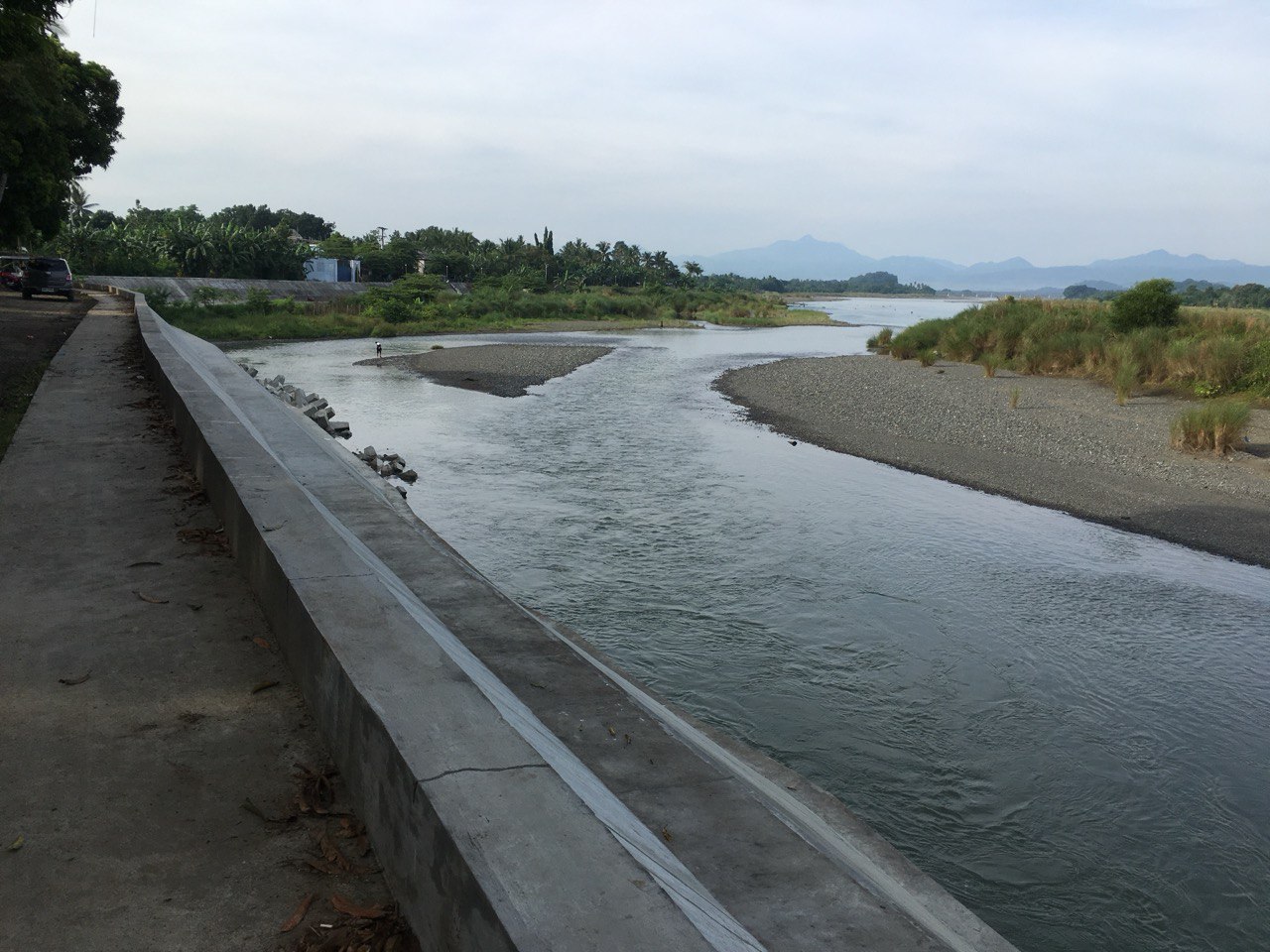
The Aklan River is central to our province’s life and livelihood. It sustains farms, provides water, and nurtures communities from the uplands of Libacao and Madalag to the coastal towns where it meets the sea. Yet it also poses grave risks when unmanaged—flooding homes, washing away farmlands, and putting lives in peril.
Over the years, many good studies and research have already been done—by state universities, the Japan International Cooperation Agency (JICA), and both local and foreign private institutions. These have given us a clearer understanding of the river’s behavior, its watershed dynamics, and the possible solutions for flood control, irrigation, and environmental protection. The science and data are already there. What has been lacking is the political will and institutional mechanism to put these findings into action.
Instead of harnessing this knowledge, we have seen fragmented, piecemeal projects. Each agency builds its own flood wall, each town pursues its own irrigation system, and each initiative stands alone—uncoordinated and sometimes even conflicting. This has led not only to wasted resources but also, as recent controversies in flood control projects revealed, opened doors to corruption and inefficiency.
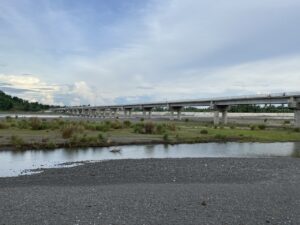
Now is the time to break free from this cycle. We must establish an integrated Aklan River Basin Management Plan—a comprehensive, multi-agency strategy that will guide investments in flood mitigation, irrigation, and disaster preparedness. This is not merely a technical necessity but a moral obligation to protect our people and future generations.
We call on our provincial and municipal leaders to champion this cause. The legislative bodies of Aklan must revisit past attempts to form a river basin management body and push for its full realization, this time with authority, transparency, and accountability. National agencies like the DENR, DPWH, DA, and NIA must be compelled to align their programs with a single, unified framework.
The knowledge is already in our hands. The studies have been done. What remains is for our leaders to summon the courage to act decisively. The Aklan River is a gift—but without stewardship, it will continue to be a threat. Let us not waste more time, money, and lives. Let us build the integrated river basin management system Aklan deserves—rooted in science, guided by planning, and championed by local leadership.