Tech
Digital Bread and Circuses: Service or just Showbiz?


By: Guillermo Sumbiling
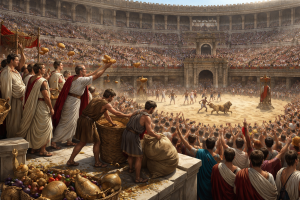
Centuries ago, Roman leaders used a tactic called “Bread and Circuses” (Panem et Circenses). They kept the masses happy with free food and gladiator games to distract them from poverty and corruption. Fast forward to today, and this tactic has moved from the arena to our smartphones. In the age of Facebook and TikTok, we are witnessing the rise of the Digital Circus.
In many local communities, some officials seem more focused on being “influencers” than effective leaders. You’ll see them dancing in festivals, posting highly-edited vlogs, and using dramatic background music every time they hand out government aid. Instead of real policy-making, we see “vlog-vernance.” The measure of a leader’s success is no longer their track record, but their “likes,” “shares,” and “views.” This is popularity culture at its most dangerous.
The problem? It creates a smoke screen. Habang aliw na aliw ang taumbayan sa mga “feel-good” posts, madaling maitago ang mga tunay na problema. A viral video of a politician visiting a market can effectively mask the lack of medicine in health centers or the stinking reality of poor drainage systems. These posts offer false hopes—mga pangakong mukhang maganda sa screen pero drawing lang pala sa realidad.
As citizens, we must be smarter. Social media should be a tool for transparency, not a stage for pakitang-tao. Real Good Governance is not found in a viral trend; it is felt in the stomach, seen in the infrastructure, and experienced through honest service.
Ang gobyerno ay dapat nagtatrabaho para sa tao, hindi nagpe-perform para sa camera. Let’s stop being mere “followers” and start being critical citizens. Behind the ringlight and the filters, we must demand results that actually matter.