Agriculture
Rivers of Opportunity: Reviving Duck Farming in Aklan’s Countryside

By: John Dela Cruz
Across Aklan’s rolling plains and river valleys, water flows from dozens of tributaries feeding the mighty Aklan River—from the uplands of Libacao and Madalag down to the low-lying towns of Altavas, Balete, Banga, Lezo, Makato, Ibajay, and Tangalan. These waterways, rich with aquatic life and natural vegetation, have long sustained farming families with irrigation, fish, and fertile soil. Yet one potential resource remains underdeveloped: duck farming.
An Untapped Rural Enterprise
In many parts of the province, the sight of ducks waddling near rice paddies or creeks is becoming rare. While older generations once raised ducks for home use or small-scale balut production, the practice has quietly faded as chicken consumption and poultry production grew dominant.
Today, most households rely on chicken meat and eggs, leaving duck farming as a forgotten livelihood despite the province’s ideal natural conditions. The challenge lies not only in production, but also in culinary culture—Aklanons and most Filipinos are less familiar with duck dishes compared to chicken, limiting the market for duck meat and eggs.
Why Ducks Still Make Sense
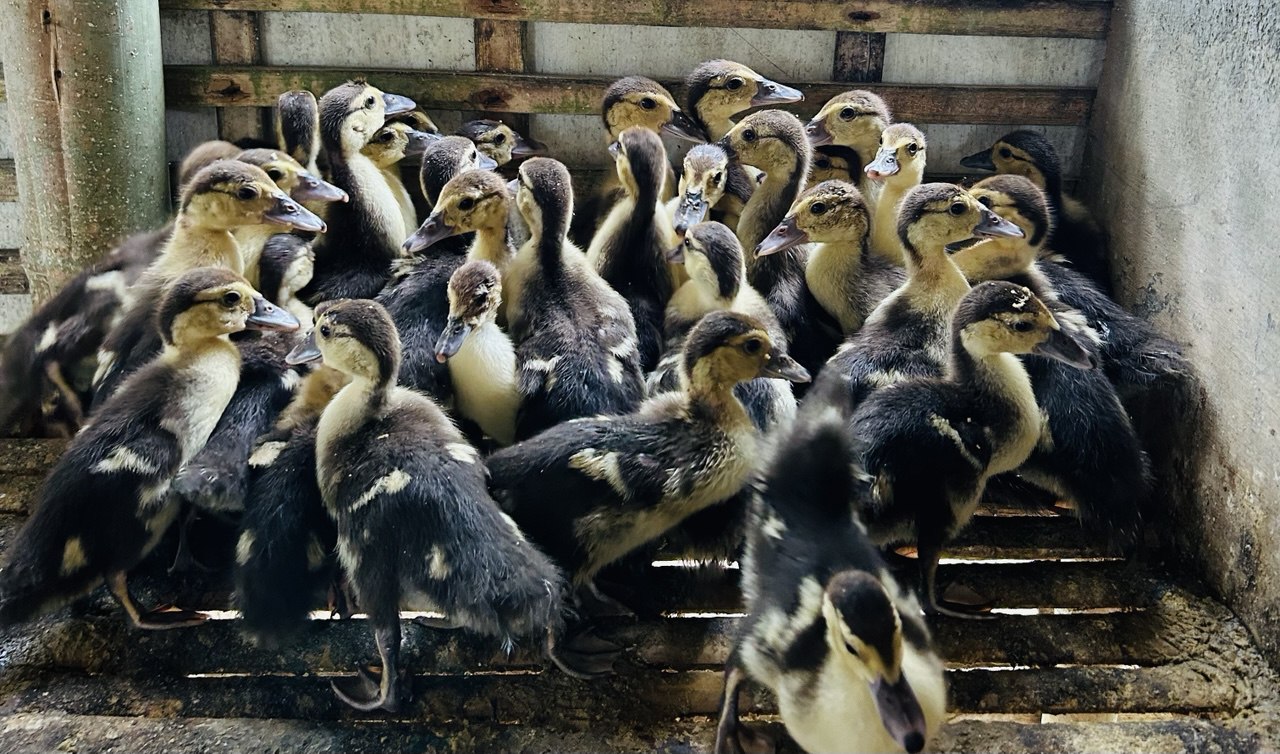
Yet the opportunities are clear. Ducks thrive in wet, lowland environments and can feed naturally on snails, weeds, and leftover rice grains. This makes them perfect for Aklan’s ecosystem of creeks, swamps, and flooded paddies, particularly in Balete, Tangalan, Ibajay, and Altavas where tributaries are abundant.
For farmers already tending rice, integrating ducks offers a low-cost way to supplement income. Ducks help control pests and fertilize the soil while providing eggs and meat. With proper breeds like Itik Pateros or Khaki Campbell, smallholders can produce eggs for balut and salted egg processing—products that have steady demand in markets and pasalubong stores.
In the long term, promoting local dishes such as adobong itik, arroz caldo, or native duck tinola could encourage consumers to rediscover the unique flavor and nutrition of duck meat, gradually expanding local demand.
Challenges to Overcome
However, several challenges must be addressed.
• Market limitations: Without strong culinary demand, farmers hesitate to invest in duck raising.
• Limited technical knowledge: Few training programs or local extension workers specialize in duck production, leading to poor breeding and high mortality rates.
• Disease and flooding: Ducks raised near rivers face exposure to parasites and predators if not properly housed.
• Competition from chicken: With established supply chains and consumer habits, chicken remains cheaper and easier to sell.
These issues point to the need for provincial and municipal agricultural programs to revive interest through farmer training, research on locally adapted breeds, and support for small processing ventures that can turn duck eggs into value-added products like itlog na pula or balut.
Aklan’s Natural Advantage
What Aklan has that many provinces don’t is water abundance—a vital resource for sustainable duck production. With proper organization among farmer groups and cooperatives, the province could position itself as a regional source of native duck meat and eggs, supplying neighboring provinces where land and water are less available.
Encouraging “rice–duck integration” and providing access to small incubation facilities or feed assistance could jumpstart this overlooked sector. As demand for locally produced, chemical-free food grows, duck products can find a niche market among health-conscious consumers and local resorts promoting Filipino cuisine.
From Tributaries to Livelihood
The rivers and creeks of Aklan have always been lifelines for its people. Perhaps it is time to let these waterways give birth again to a new kind of livelihood—a revival of duck farming that values tradition, sustainability, and the quiet potential of rural innovation.
With the right support and renewed curiosity from both farmers and consumers, the humble duck may yet reclaim its place in Aklan’s farmlands and kitchens—turning every tributary not just into a channel of water, but into a source of hope and livelihood for generations to come.