Politics
Romualdez and Acidre Push to Bring Cancer Screening to the Barangay Level



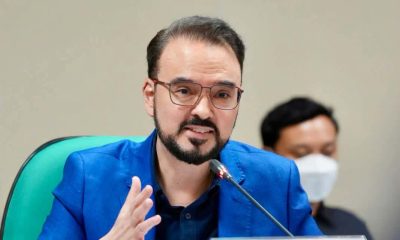
Tacloban- Leyte Representative Ferdinand Martin G. Romualdez, alongside Tingog Party-list Representative Jude Acidre, has introduced House Bill No. 7942 to transform how the Philippines battles cancer. By shifting the focus from late-stage treatment to early-stage prevention, the proposed “Cancer Risk Screening and Awareness Act” seeks to save lives and protect Filipino families from the staggering costs of the disease.
Current data from the Philippine Statistics Authority highlights a grim reality: cancer remains one of the top three killers in the nation. Speaker Romualdez noted that the high mortality rate is often a direct result of late diagnosis. “A major factor contributing to this alarming reality is the late diagnosis of cancer cases, which not only reduces survival rates but also imposes severe financial hardship on affected families. Studies reveal that treatment of late-stage cancer can consume more than 30 percent of a household’s income, often pushing families into financial catastrophe,” Romualdez explained. He further observed that wealthier nations see better survival rates because they prioritize catching the disease early, adding that “evidence shows that early detection significantly improves survival rates while reducing overall treatment costs, making it both a life-saving and cost-effective public health strategy.”
To bridge this gap, the bill empowers the Department of Health and local government units to bring screening directly to the people. Representative Acidre emphasized that the strategy relies on making health services accessible at the grassroots level. He stated that the bill “seeks to institutionalize annual community-based cancer early detection programs through risk profiling, barangay-level screening, and awareness campaigns across municipalities.” By training Barangay Health Workers (BHWs) to lead these efforts, the government hopes to create a more supportive environment for patients. Acidre noted that “by integrating grassroots health workers into systematic cancer risk detection and awareness efforts, the State fulfills its mandate under the Constitution to protect and promote the right to health, while complementing the objectives of Republic Act No. 11215, or the National Integrated Cancer Control Act.”
The program will initially focus on screening for breast, cervical, colorectal, and prostate cancers, with the potential for the Department of Health to expand this list in the future. Beyond testing, the law mandates the creation of a secure cancer risk registry to track health trends while strictly following data privacy laws. For those who test positive during community screenings, the bill ensures a clear path to treatment by linking local health centers to higher-level hospitals and PhilHealth benefits. This comprehensive approach ensures that the most vulnerable populations receive not just a diagnosis, but a genuine fighting chance.
V2
Romualdez at Acidre, Isinusulong ang Cancer Screening sa mga Barangay
Isinusulong nina Leyte Representative Ferdinand Martin G. Romualdez at Tingog Party-list Representative Jude Acidre ang House Bill No. 7942 upang baguhin ang laban ng mga Pilipino kontra cancer. Sa ilalim ng “Cancer Risk Screening and Awareness Act,” mas bibigyang-diin ang pag-detect sa sakit nang maaga kaysa sa paggamot na lamang kapag malala na ito. Layunin nitong iligtas ang buhay at bulsa ng mga pamilyang Pilipino mula sa napakamahal na gastos sa pagpapagamot.
Ayon sa Philippine Statistics Authority, nananatiling isa sa top three na sanhi ng kamatayan sa bansa ang cancer. Binigyang-diin ni Speaker Romualdez na madalas ay huli na bago malaman ng mga pasyente ang kanilang kondisyon. “A major factor contributing to this alarming reality is the late diagnosis of cancer cases, which not only reduces survival rates but also imposes severe financial hardship on affected families. Studies reveal that treatment of late-stage cancer can consume more than 30 percent of a household’s income, often pushing families into financial catastrophe,” paliwanag ni Romualdez. Dagdag pa niya, mas mataas ang survival rate sa ibang bansa dahil sa matibay na early detection programs: “Evidence shows that early detection significantly improves survival rates while reducing overall treatment costs, making it both a life-saving and cost-effective public health strategy.”
Upang matugunan ito, inaatasan ng bill ang Department of Health (DOH) at mga local government units na ilapit ang screening sa mga komunidad. Ayon kay Representative Acidre, mahalaga ang papel ng grassroots health services sa kampanyang ito. Aniya, ang bill ay “seeks to institutionalize annual community-based cancer early detection programs through risk profiling, barangay-level screening, and awareness campaigns across municipalities.” Sa pamamagitan ng pagbibigay ng training sa mga Barangay Health Workers (BHWs), mas mapapaigting ang suporta sa mga pasyente. Giit ni Acidre, “by integrating grassroots health workers into systematic cancer risk detection and awareness efforts, the State fulfills its mandate under the Constitution to protect and promote the right to health, while complementing the objectives of Republic Act No. 11215, or the National Integrated Cancer Control Act.”
Sa simula, tututukan ng programa ang breast, cervical, colorectal, at prostate cancers, ngunit maaaring dagdagan pa ito ng DOH sa hinaharap. Bukod sa libre o subsidized na testing, magkakaroon din ng secure na cancer risk registry para ma-monitor ang kalusugan ng publiko habang sinusunod ang Data Privacy Act. Para sa mga magpopositibo sa screening, titiyakin ng batas na may malinaw silang pathway patungo sa treatment sa pamamagitan ng referral sa mga malalaking ospital at tulong mula sa PhilHealth.