Tech
ICSC: Flexible Grids, Not Just Baseload, Are Key to Philippine Energy Reliability

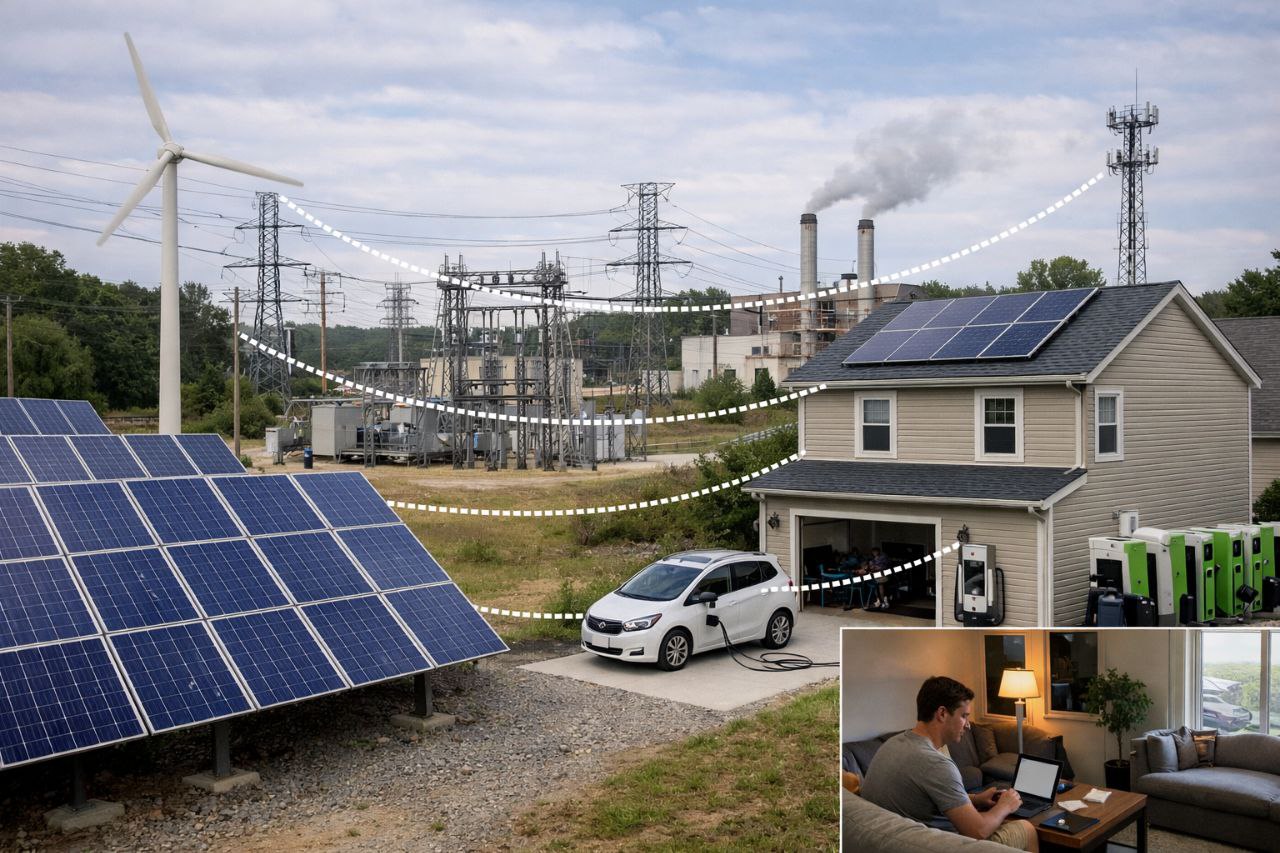

Quezon City- As yellow and red alerts continue to affect the Philippine power grid, the Institute for Climate and Sustainable Cities (ICSC) emphasizes that weather-dependent renewable energy is not the primary cause of grid instability. True reliability depends on the system’s flexibility and its ability to respond to sudden changes in supply and demand.
In a position paper released by ICSC, they stressed, “The goal of any power system should not be to eliminate variable resources, but to build a flexible system that can thrive amid this natural variability.”
As the Philippines’ energy mix remains heavily reliant on imported coal, which currently accounts for roughly 60% of electricity generation, aging coal plants are becoming increasingly prone to forced outages caused by maintenance issues, equipment failures, or extreme heat.
When large coal units go offline unexpectedly, the system must dispatch quick-start generators—mainly diesel-fired—at higher cost. These events can push electricity prices up and trigger yellow and red alerts, raising concerns about grid reliability.

“System reliability does not depend on any individual generator operating continuously for 24 hours. Instead, it depends on the grid’s ability, as a whole, to meet demand at all times despite these sources of variability,” ICSC added.
Daily electricity demand in the Philippines fluctuates due to weather conditions and human activities, such as industrial processes and air conditioning. Large commercial and industrial facilities, like malls and factories, can create sudden spikes or drops in consumption when major equipment starts or shuts down. The grid is already designed to handle these variations, showing that variability is both normal and manageable.
Solar and wind generation, while variable, follow predictable patterns. Solar output aligns with a daily cycle, while wind generation can be forecasted with increasing accuracy. When renewable energy assets are geographically distributed, their aggregated output becomes smoother and easier to manage compared to sudden coal plant failures. Modern forecasting tools give grid operators time to anticipate changes, an advantage not possible with unplanned baseload outages.
ICSC also emphasizes that “the key to reliability is not avoiding variability but managing it with a flexible system.” According to the organization, effective system planning could address variability from all sources through “improved forecasting and operational planning, adequate ancillary services, demand-side measures” and investment in all forms of flexibility—including fast-acting generators, storage, grid modernization, and strengthened interconnections.