Agriculture
When the Sea Gets Warmer: The Effects of El Nino on Oyster Production

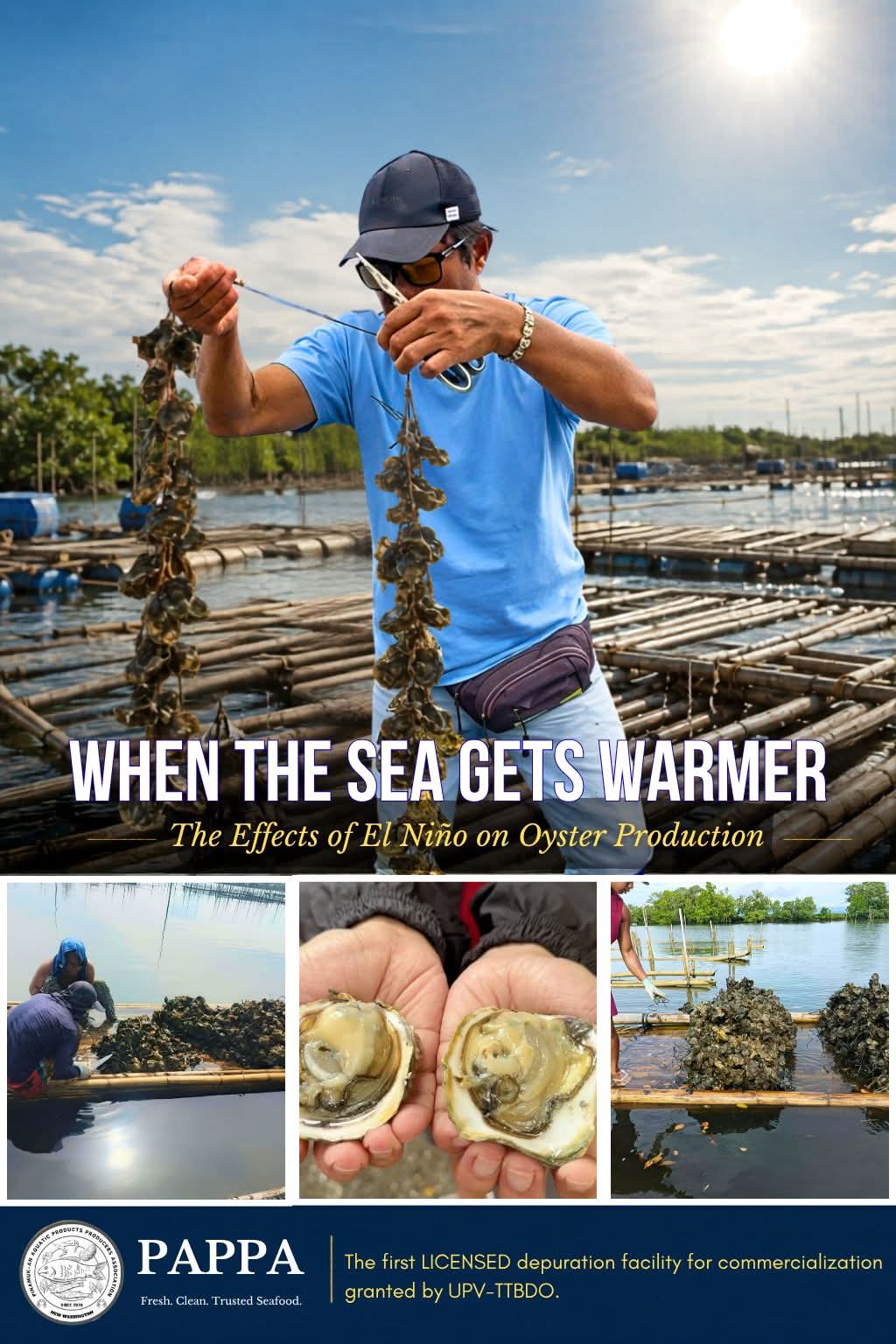
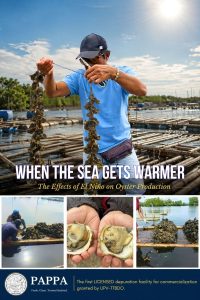
New Washington, Aklan- In the coastal waters of Pinamuk-an, New Washington, Aklan, oyster farming is more than just a livelihood it is part of the community’s identity and daily life.
Before sunrise, local oyster farmers begin their day checking bamboo rafts floating above the sea, carefully nurturing oysters that will soon reach the tables of consumers across Aklan, Boracay, Iloilo, and beyond.
But in recent years, farmers have started noticing changes in the sea.
The water feels warmer.
The weather has become drier.
And the ocean no longer behaves the same way it used to.
For oyster farming communities, the effects of El Niño are becoming more visible each season.
𝗧𝗵𝗲 𝗖𝗵𝗮𝗹𝗹𝗲𝗻𝗴𝗲: 𝗪𝗵𝗲𝗻 𝗛𝗲𝗮𝘁 𝗔𝗳𝗳𝗲𝗰𝘁𝘀 𝘁𝗵𝗲 𝗦𝗲𝗮
El Niño is a climate phenomenon that brings unusually warm temperatures and reduced rainfall to many parts of the Philippines. While most people experience it through intense heat and drought, coastal communities experience its effects through changing ocean conditions.
For oysters, stable and clean water conditions are important for healthy growth. When seawater becomes too warm, oysters become more sensitive, which may slow down their growth and affect their overall condition.
Reduced rainfall also changes the salinity or alat of seawater. Sudden changes in water conditions may affect oyster quality, growth, and survival.
Because oysters are natural filter feeders, they rely heavily on balanced water conditions. Any imbalance in temperature, nutrients, or oxygen levels may affect their development and production.
𝗧𝗵𝗲 𝗜𝗺𝗽𝗮𝗰𝘁: 𝗖𝗵𝗮𝗹𝗹𝗲𝗻𝗴𝗲𝘀 𝗶𝗻 𝗣𝗿𝗼𝗱𝘂𝗰𝘁𝗶𝗼𝗻 𝗮𝗻𝗱 𝗟𝗶𝘃𝗲𝗹𝗶𝗵𝗼𝗼𝗱
When oyster growth slows down, production also becomes affected.
Some oysters may take longer to reach market size, while others may not develop properly because of unstable water conditions. For oyster farmers and fisherfolk associations, these challenges directly affect livelihood and daily income.
Changes in production may also affect seafood supply and market demand, especially for communities that depend on oyster farming as a source of income.
Despite these challenges, local oyster farmers continue working hard to maintain the quality of their products and protect the livelihood of their communities.
𝗧𝗵𝗲 𝗥𝗲𝘀𝗽𝗼𝗻𝘀𝗲: 𝗔𝗱𝗮𝗽𝘁𝗶𝗻𝗴 𝘁𝗼 𝗖𝗵𝗮𝗻𝗴𝗶𝗻𝗴 𝗖𝗼𝗻𝗱𝗶𝘁𝗶𝗼𝗻𝘀
To help maintain oyster quality despite environmental changes, PAPPA continues to strengthen sustainable aquaculture practices and responsible oyster farming.
One important step is the use of depuration technology, a purification process that helps improve the cleanliness and quality of oysters before they reach consumers.
Proper monitoring of water conditions, responsible harvesting, and careful handling also play important roles in maintaining product quality during challenging seasons.
Through cooperation, continuous learning, and support for local aquaculture, coastal communities continue to adapt to the changing environment while protecting the future of oyster farming.
𝗔 𝗥𝗲𝗺𝗶𝗻𝗱𝗲𝗿 𝗳𝗿𝗼𝗺 𝘁𝗵𝗲 𝗦𝗲𝗮
For the oyster farmers of Pinamuk-an, El Niño is more than just a season of extreme heat it is a reminder of how closely connected communities are to the sea.
Behind every depurated oyster are stories of hard work, resilience, and hope.
As climate conditions continue to change, the importance of sustainable seafood production and community cooperation becomes even more valuable.
And despite the changing tides, PAPPA remains committed to bringing fresh, clean, and quality oysters from our waters to Filipino tables.
💛 — 𝐏𝐀𝐏𝐏𝐀
𝑭𝒓𝒆𝒔𝒉. 𝑪𝒍𝒆𝒂𝒏. 𝑻𝒓𝒖𝒔𝒕𝒆𝒅 𝑺𝒆𝒂𝒇𝒐𝒐𝒅.