Lifestyle
Jakarta Experience: Looking at Philippine Tourism Through an ASEAN Lens


By John dela Cruz
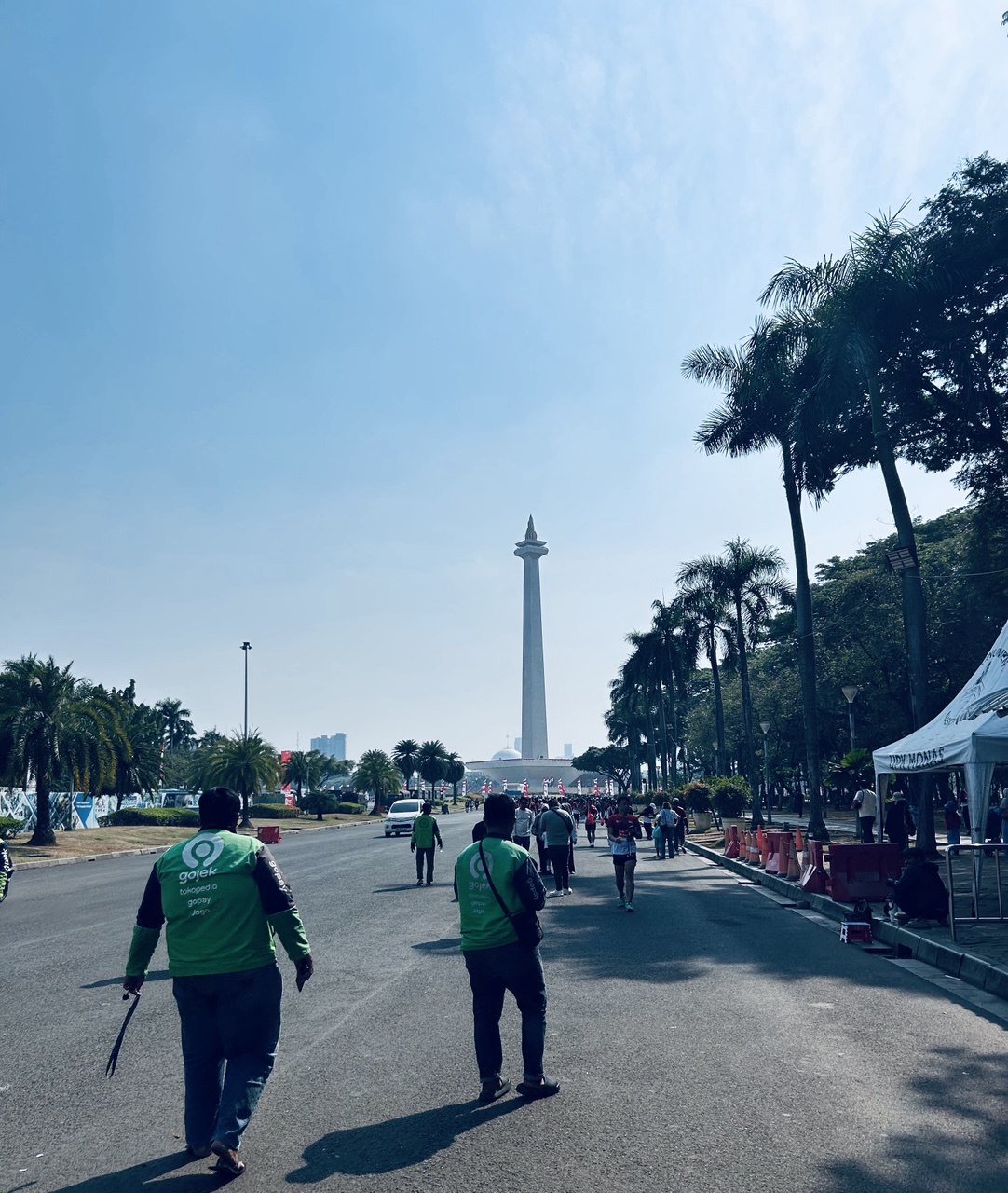
Jakarta- My recent visit to Jakarta last August gave me an opportunity to experience Indonesia and, at the same time, reflect on Philippine tourism. Traveling around our ASEAN neighbors allows us to see not only what they are doing differently, but also what opportunities we may be missing at home.
Indonesia and the Philippines have much in common. Both are archipelagic nations blessed with beautiful beaches, rich cultures, distinctive food and warm, hospitable people. Yet their tourism numbers tell an interesting story.
In 2024, the Philippines received about 5.95 million international visitors, while Indonesia welcomed approximately 13.9 million. Indonesia certainly has the advantage of scale—with a population of around 285 million and more than 17,000 islands, compared with about 113 million people and more than 7,000 islands in the Philippines.
My arrival at Jakarta’s Soekarno-Hatta International Airport immediately demonstrated Indonesia’s investment in tourism and connectivity. The airport is huge and modern, giving visitors an early impression of a country preparing for greater international movement. It also reminds us of the continuing need to improve NAIA and strengthen our provincial international gateways.

During my Jakarta visit, I also noticed the competitiveness of local tourism value. Food, accommodations and many everyday services can be relatively affordable compared with prices in Manila. Indonesia offers visitors not only destinations but also a good combination of culture, cuisine, shopping and value for money.
This brings me closer to home: Bali and Boracay.
These are two of ASEAN’s most recognizable island destinations. Bali has successfully combined its beaches with culture, temples, cuisine, wellness, nature and local experiences. Boracay has its own exceptional advantage—its magnificent white sand, beautiful waters and compact island atmosphere.
Instead of looking at Bali purely as Boracay’s competitor, why not also see it as a partner?
We should explore greater tourism connectivity between Indonesia and the Philippines, including the possibility of a future Bali–Boracay air connection. With Southeast Asia becoming increasingly interconnected, travelers should be able to experience several destinations in one journey: Bali–Boracay–Cebu or Palawan–Manila.
For Aklan, this presents an even greater opportunity. Boracay can become a gateway for visitors to discover the rest of the province and Panay—the Ati-Atihan culture, local cuisine, mountains, rivers, farms and communities. Tourism should create income not only for large hotels and airlines but also for restaurants, bakeries, transport operators, farmers, craftsmen and small entrepreneurs.
The lesson from Jakarta is that Philippine tourism should begin thinking more regionally.
We have world-class natural attractions and Filipino hospitality. But tourism today is also about connectivity, infrastructure, affordability and visitor experience.
Indonesia should not simply be viewed as our competitor. It can be our tourism partner.
Perhaps the next big opportunity for Boracay is not only bringing more tourists directly to the island, but connecting it to the wider ASEAN tourism circuit.
Bali and Boracay may compete for visitors, but together they can also bring the world closer to ASEAN—and ASEAN closer to the Philippines.