Latest News
UP, LCCAD Renew Partnership to Boost Climate Resilience, Disaster Risk Reduction in PH

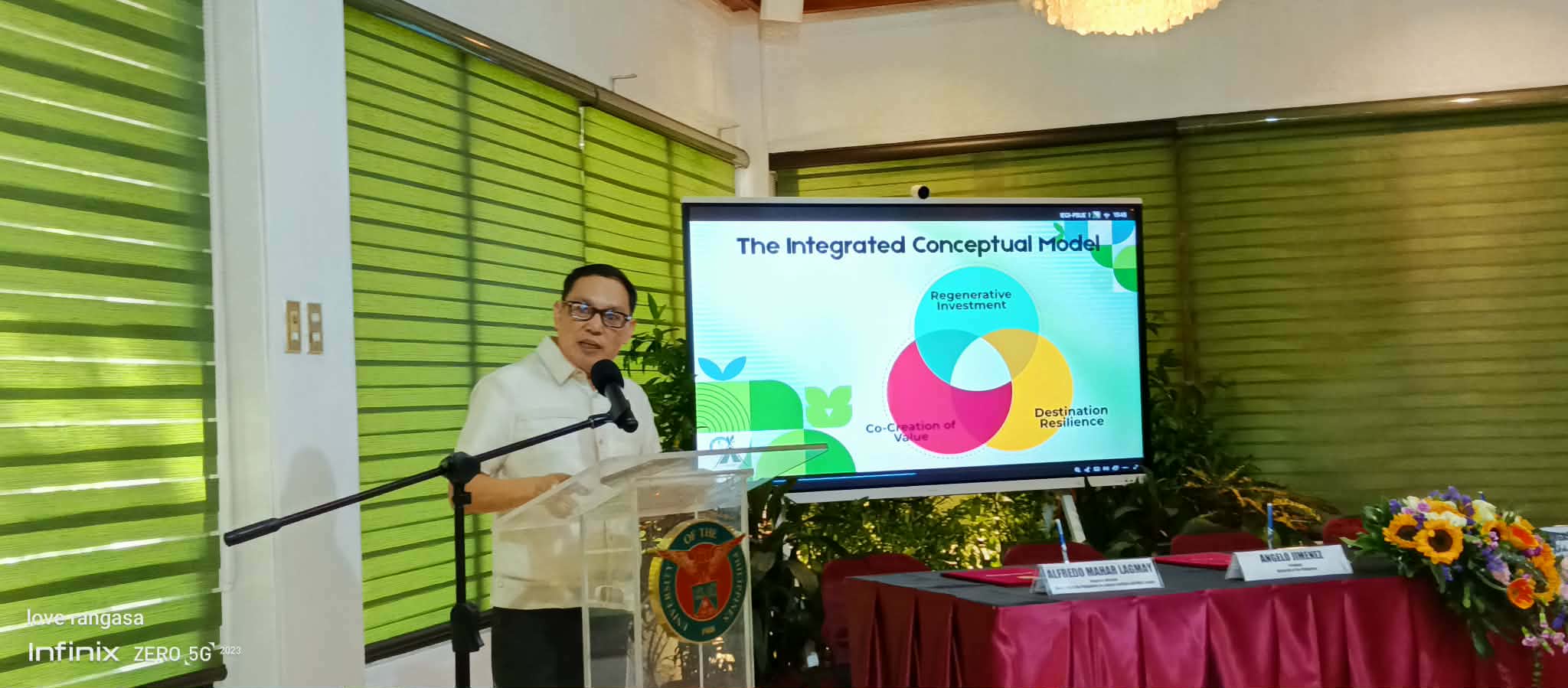
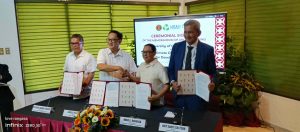
UP Diliman — The University of the Philippines (UP) and Local Climate Change Adaptation for Development, Inc. (LCCAD) today signed a renewed Memorandum of Understanding (MOU) to strengthen collaboration on climate adaptation, disaster risk reduction, and resilience-building across the country.
Signed during a ceremony at the Executive House, UP Diliman, the agreement renews a partnership first established in 2018, bringing together UP’s research and technical expertise with LCCAD’s on-the-ground experience supporting local governments.
Science Meets Local Action
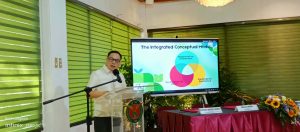
In his remarks, UP President Angelo A. Jimenez emphasized that as the country’s national university, UP bears the responsibility to turn research into tangible solutions that protect Filipino lives, livelihoods, and communities.
“Science achieves its fullest public value when it is accessible, understandable, and usable by those making decisions on the ground,” Jimenez said.
The collaboration will leverage the capabilities of the UP Resilience Institute (UPRI) and the Nationwide Operational Assessment of Hazards (NOAH) Center — institutions that have long led the country in hazard mapping, risk assessment, and disaster science. Together with LCCAD, they will deliver science-based tools, technical assistance, and capacity-building support to local government units (LGUs).
Focus on Local Needs and Education
Under the new framework, the partners will work to embed climate and disaster information into core local planning documents, including Local Climate Change Action Plans, Comprehensive Land Use Plans, and Local Disaster Risk Reduction and Management Plans.
A key highlight is the integration of climate adaptation and disaster risk reduction concepts into K-12 learning materials and teacher guides.
“By equipping young Filipinos with knowledge at an early age, we help cultivate a generation better prepared to face a changing climate and build a more resilient future,” Jimenez noted.
*Other priority areas include:
*Conducting hazard and risk assessments
*Supporting climate-informed development planning
*Building local capacity for resilience
*Developing shared climate and disaster databases and modeling systems
*Organizing knowledge-sharing events such as conferences and seminars
Partnership for Collective Impact
Jimenez underscored that no single institution can address the growing scale and complexity of climate challenges alone. “Effective resilience-building depends on partnerships that connect research with policy, data with decision-making, national institutions with local communities, and innovation with public service,” he said.
The ceremony recognized LCCAD Executive Director Manuel “Nong” C. Rangasa for the organization’s steadfast work with vulnerable communities nationwide, as well as Hon. Joey Sarte Salceda for his longstanding advocacy for climate resilience and sustainable development.
“Through this renewed partnership, we look forward to stronger institutions, more resilient communities, and lasting benefits for the Filipino people,” Jimenez stated.