Latest News
PAL to suspend Manila-Kalibo flights in March, raising economic concerns

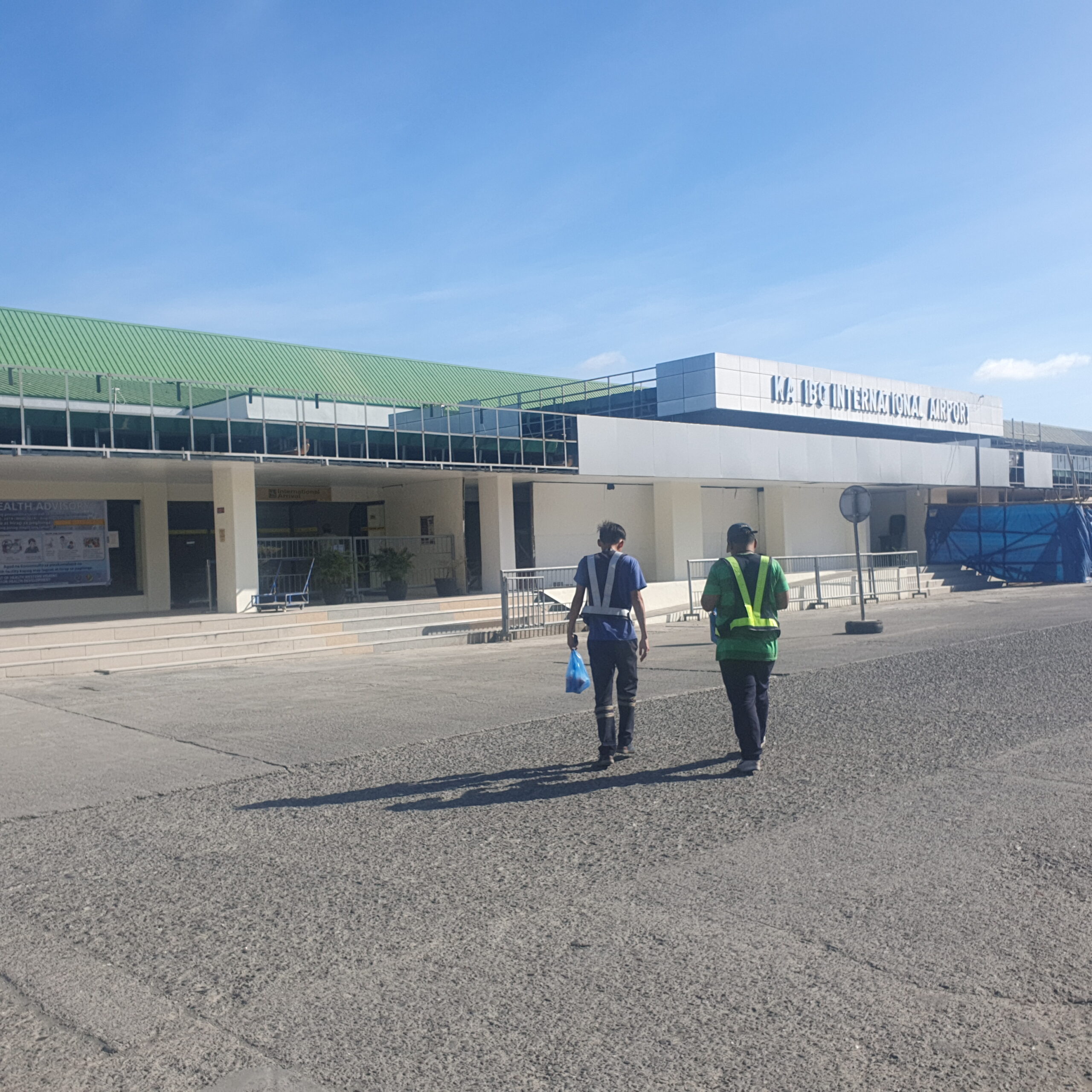
Philippine Airlines (PAL) has confirmed its decision to suspend its Manila-Kalibo-Manila operations beginning this March, sending ripples of concern through Aklan’s tourism-reliant economy.
Local officials and business leaders worry that such a move could signal the decline of the Kalibo International Airport (KIA) and adversely affect the province’s economy.
In a letter to Aklan Governor Jose Enrique Miraflores on Friday, January 3, PAL vice president for corporate affairs Anne Tiongco confirmed the airline’s plans to halt daily flights on the Manila-Kalibo-Manila route.
“We regret to inform you however that we are suspending our Manila-Kalibo-Manila operations beginning March 1 due to necessary adjustments,” the letter read.
Miraflores said they have asked the management of PAL to reconsider the decision.
While PAL intends to maintain its Kalibo-Seoul flights until early March, the airline’s pullout from domestic routes showed KIA’s waning importance in Aklan. Once the province’s pride and a critical link for tourists visiting the renowned beaches of Boracay Island, KIA now lags behind its competitor, the Godofredo Ramos Airport in Caticlan.
Located in Caticlan, Malay, the Ramos Airport has overtaken KIA as the preferred gateway to Boracay.
Managed by the San Miguel Corporation (SMC), it boasts over 30 daily flights from key cities such as Manila, Cebu, Pampanga, and Davao, as well as international connections to Taiwan. SMC has also announced plans to expand its operations further, with a new terminal set to accommodate seven million tourists annually by 2026.
In contrast, KIA now hosts just three daily flights – two from AirAsia and one from Cebu Pacific. Before the COVID-19 pandemic, the airport served 18 domestic and international routes and was the third busiest airport in the Philippines.
“The KIA was once the pride of Aklan, serving as the third busiest airport in the country before the pandemic. It was the gateway to Boracay, an international tourism hub that welcomed a million of visitors annually. Today, however, the airport faces a grim reality: diminished passenger traffic and reduced flights,” said Engineer Loyd Macahilig, president of the Philippine Chamber of Commerce and Industry-Aklan.
Macahilig attributed KIA’s decline to delayed infrastructure projects and a failure to attract public-private partnerships.
“KIA’s stagnation reveals a lack of foresight and investment. While other airports in the region pushed for modernization, Kalibo faced delays in infrastructure development and failed to capitalize on public-private partnerships These stalled bids from a private developer highlight governance issues that deterred credible investors,” Macahilig added.
He urged provincial leaders to realign policies and positioning KIA as a complementary airport to Caticlan.
Macahilig said Kalibo should target markets beyond tourism, such as cargo, domestic travelers, and business aviation, emphasizing the need for infrastructure upgrades and market diversification.
The reduced operations at KIA have also hurt Aklan’s agricultural sector. Farmers and suppliers who once catered to Boracay’s bustling hospitality industry are feeling the pinch.
“Our farmers are also reeling from the economic impact of the reduced flights,” according to Arnulfo Magcope, chairman of the Provincial Agriculture and Fisheries Council (PAFC).
With fewer flights, hotels that buy vegetables, fish, and meats for their restaurants are now limited, he said.
The PAFC has filed a resolution urging the government to attract more flights to KIA to boost the local economy.
Local leaders said the province’s future hinges on KIA’s revitalization. Beyond addressing governance issues, they advocate for proactive collaboration between government and private stakeholders to restore the airport’s former glory.
Macahilig said Boracay has remained a global tourism hub, but in order to remain relevant in Aklan’s economic story, KIA must adapt and innovate. – Rappler.com