Politics
Romualdez camp urges fairness, evidence in flood control claims


ACCOUNTABILITY in the flood control controversy should be anchored on evidence rather than assumptions tied to office or title, especially when the national budget passes through a long, multi-layered process involving the Executive, the House, the Senate and the President.
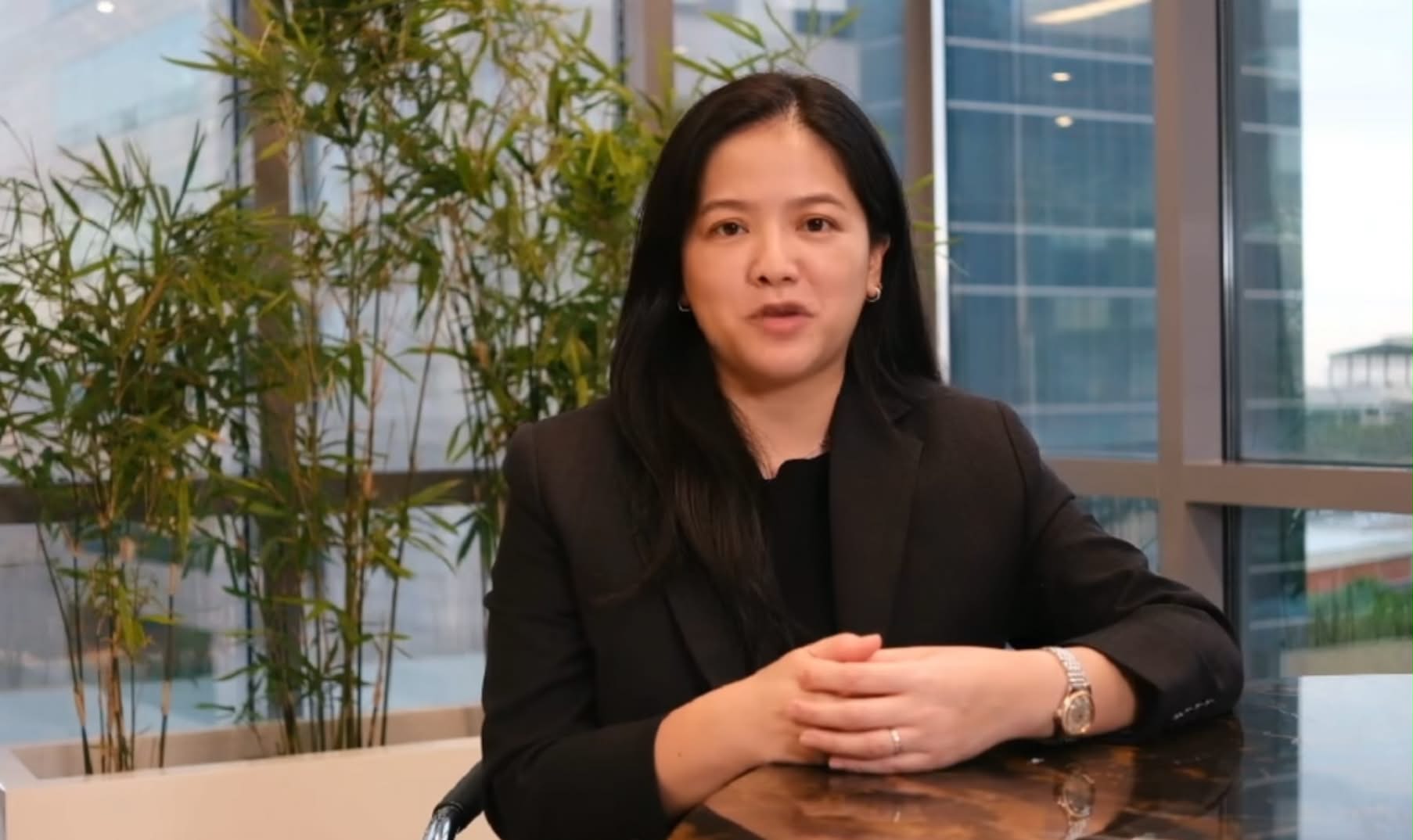
Atty. Elaine A. Atienza, spokesperson for Leyte Rep. Ferdinand Martin G. Romualdez, stressed this as she rejected claims that Romualdez controlled the national budget process as former Speaker of the House.
“Accountability must be based on evidence, not theory or opinion. It must be based on what a person actually did, not what people assume his title allowed him to do,” Atienza stated.
Atienza issued the statement after a public pronouncement by the Ombudsman suggested that Romualdez was the supposed “mastermind” of the flood control scheme because he allegedly had “functional control” over the budget process when he was Speaker.
“We take exception to the recent public pronouncement suggesting that Rep. Ferdinand Martin G. Romualdez was the mastermind of the flood control scheme because he, as Speaker of the House at the time, supposedly had ‘functional control’ over the budget process. Linawin po natin: there is no such thing as ‘functional control’ over the budget process,” Atienza emphasized.
The national budget process, as described by the Department of Budget and Management, passes through preparation, authorization, execution and accountability, with the National Expenditure Program (NEP) prepared by the Executive and submitted to Congress for deliberation before enactment, implementation and audit.
“Hindi po ginagawa ng iisang tao ang national budget. Hindi ito hawak ng iisang opisina lamang, at lalong hindi ito kayang diktahan o kontrolin ng House Speaker,” Atienza explained.
The spokesperson stressed that the budget is a layered, institutional process involving the Executive, the House, the Senate, bicameral deliberations and presidential action.
“Sa madaling sabi, ang national budget ay hindi ginagawa ng iisang tao, iisang opisina, o iisang institusyon lamang. Dumadaan po ito sa isang mahaba, masusi, at multi-layered na proseso,” Atienza stated.
Atienza said this is why the claim that Romualdez had “functional control” over the process does not match how the government actually prepares, deliberates and approves the national budget.
“Kaya po ang paratang na si Rep. Romualdez ay may ‘functional control,’ o mas malala, na siya ang ‘mastermind’ ng buong flood control scheme, ay hindi suportado at hindi tugma sa mismong istruktura ng ating pamahalaan at sa aktwal na proseso ng national budget. ‘Wag po nating baluktutin ang katotohanan,” Atienza emphasized.
She added that the role of a Speaker does not include directing senators, the President or other actors in the budget process.
“Wala pong kakayahan ang Speaker na diktahan ang mga Senador, ang Pangulo, o ang sinuman sa proseso ng pagpasa ng budget. Having said that, nais din po naming ulitin: hindi ang mga mambabatas ang nagre-release ng pondo,” Atienza added.
Atienza said the public should understand the basic architecture of the budget process before accepting claims that one official could singlehandedly control a national spending program.
“Para sa kaalaman po ng publiko, ang ating national budget ay nagsisimula sa mga ahensya ng Ehekutibo na nagsusumite ng kanilang budget proposals. Ang mga proposals po na ito ay kino-consolidate ng Ehekutibo sa National Expenditure Program o NEP, at ang NEP ang isinusumite sa Kongreso,” Atienza noted.
Once the NEP reaches Congress, Atienza explained that it is subjected to committee hearings, plenary deliberations and separate review by both chambers before a final version can be sent to the President.
“Pagkatapos isumite, saka pa lamang ito nire-review ng House of Representatives. Ang pagre-review ay dumadaan sa maraming pagdinig at deliberasyon, maging sa Appropriations Committee man o sa malakihang plenaryo na may daan-daang miyembro,” Atienza pointed out.
Atienza said the Senate also prepares its own version of the budget and that differences between the two chambers are later reconciled through bicameral proceedings before the President acts on the final measure.
“Ang Senado ay gumagawa rin ng sarili nitong review at sariling bersyon. At kung may pagkakaiba ang bersyon ng House at ng Senado, ito po ay dinadala sa Bicameral Conference Committee, at sa ilang pagkakataon, sa Small Bicam group, bago ang final version ay ipadala sa Pangulo para sa approval, o line-item veto,” Atienza said.
Atienza also underscored that lawmakers do not implement projects, inspect completed works or certify whether a project is real, completed or defective.
“Hindi rin sila ang nag-i-implement ng proyekto. At mas lalong hindi mambabatas o ang mismong Speaker of the House ang nag-i-inspect at nagce-certify na tapos na ang isang proyektong ghost naman pala,” Atienza stated.
For Atienza, the proper path is to follow the evidence and let the legal process determine responsibility rather than allow public narratives to harden before facts are established.
“We therefore call for sobriety, fairness, and fidelity to the rules. Sweeping public pronouncements that point to Rep. Romualdez as the grand architect of a collegial and multi-faceted process involving the Executive, the House and the Senate do not help the search for truth,” Atienza said.
She said unsupported narratives risk overtaking the facts and making the public conversation less fair to those being accused.
“They only reinforce our concern that public narratives are being allowed to run ahead of evidence. Rep. Romualdez remains ready to answer all allegations through the proper legal process,” Atienza added. (END)