Tech
The Smartphone: The New Political Weapon of the Masses

By: Guillermo Sumbiling
In the hands of nearly every citizen today is a device that has transformed political campaigns forever—the smartphone. Once a tool of convenience and communication, it has now become the ultimate weapon in modern politics, replacing billboards, posters, and even the traditional airwaves. Its power is undeniable.
In just a few taps, a message can reach millions, a video can sway public opinion, and a single photo can decide the fate of a candidacy.
The smartphone is not just a device—it is the modern platform of life. It serves as a gateway to social media, a camera for documentation, a wallet for digital finance, a portal for health monitoring, a classroom for learning, a map for transport, and a marketplace for shopping. Almost every human function now runs through this palm-sized device. And with politics being inherently human, it was only a matter of time before it became a central tool for political behavior, discourse, and influence. The smartphone has blurred the line between private and public, turning everyday citizens into broadcasters, commentators, and influencers of national narratives.
It has democratized influence. No longer are narratives solely shaped by press conferences or expensive ad campaigns. Now, a tricycle driver livestreaming a local rally, a youth uploading a TikTok reaction, or a mother sharing her story on Facebook can generate more impact than a polished press release. The political battlefield has shifted from public plazas to private screens, where opinions are formed, challenged, and reinforced within seconds.
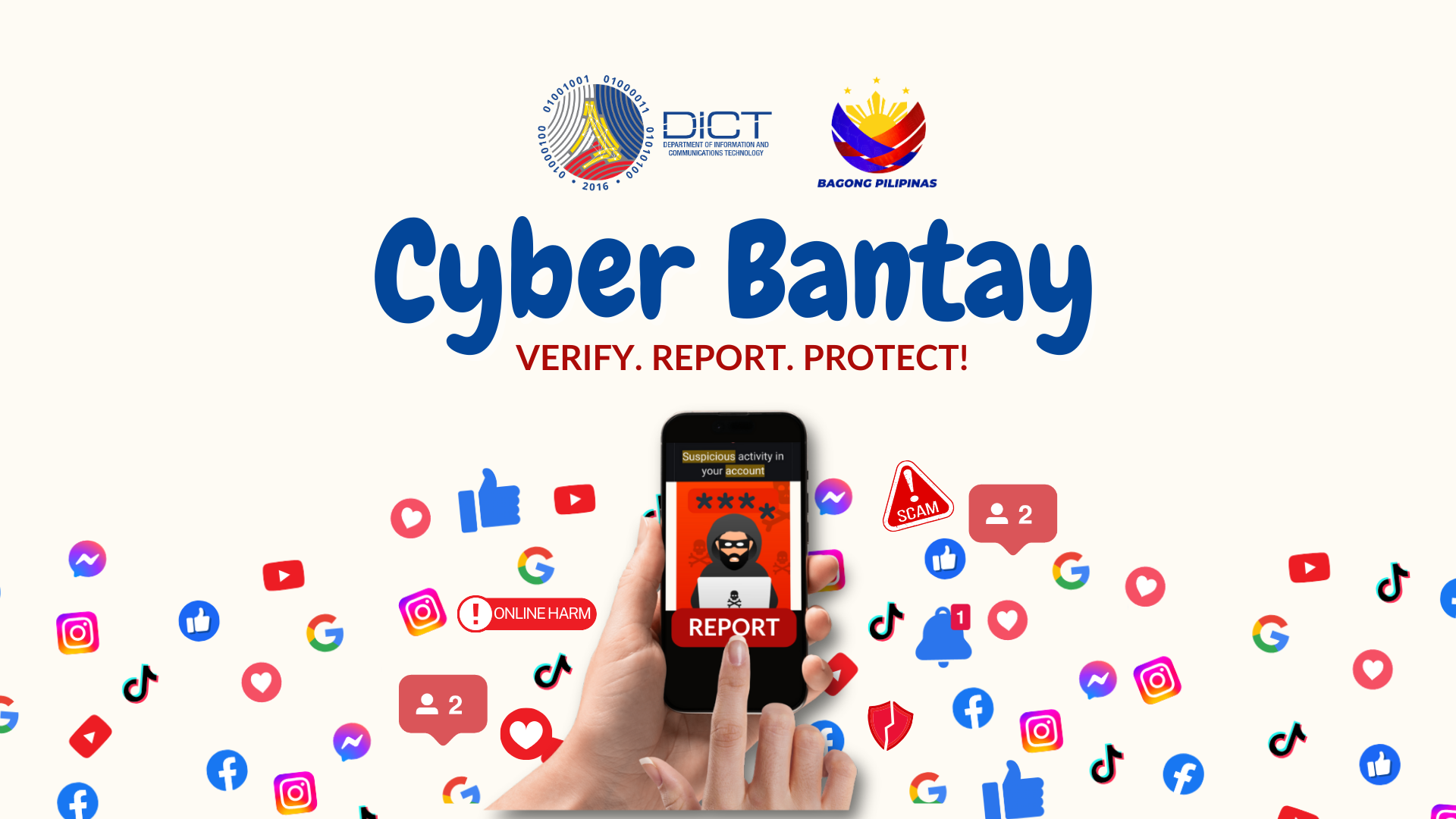
But this power is double-edged. The same smartphone that exposes corruption can also be used to fabricate lies, spread propaganda, and destroy reputations. Disinformation campaigns—once requiring elaborate operations—can now be launched from anywhere, by anyone, with little accountability. Truth and deception now travel at the same speed: the speed of a swipe.
And unlike any era before, every candidate and voter now possesses this tool—a device so powerful it has changed the very nature of democratic participation. What we once imagined as the great equalizer of voices has, at times, become a megaphone for populism, drowning out thoughtful debate with noise, spectacle, and emotional manipulation. What used to be an informed and accountable democracy is increasingly vulnerable to becoming a political system that rewards the loudest crowd rather than the wisest ideas.
This tool, once thought to empower order and truth, has been used to fuel outrage, erode civility, and replace moral discourse with viral memes. It can reward style over substance, drama over policy, and charisma over credibility. The smartphone can amplify voices—but it does not always distinguish between what is right and what is merely trending.
Even the remotest barangay is not spared. The smartphone bridges distance, piercing through mountains and fields to bring campaigns to the fingertips of farmers, fisherfolk, and small-town voters. Rural isolation is no longer a barrier; political messaging—good or bad—finds its way into every home.
Handled wisely, the smartphone can uplift democratic participation, foster civic engagement, and hold leaders accountable. Mishandled, it can be the breeding ground for division, manipulation, and mob rule. It is not merely a gadget—it is the new frontline where battles for the heart and soul of our democracy are fought.
The challenge for all of us is to reclaim this powerful tool—not as a weapon of disinformation or division—but as an instrument for truth, justice, and shared progress. For in this digital age, the destiny of a nation may well rest in the palm of every citizen’s hand.