Lifestyle
The Priceless Experience of the Nabas Bariw Festival

By Maria Solita Zaldivar Guzman
“The bariw never disappoints.”
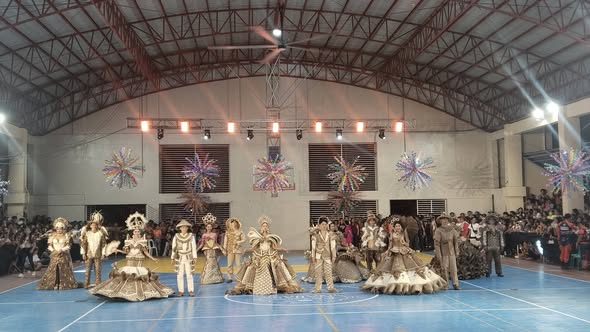
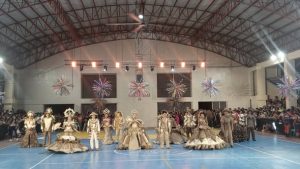
These were the very words of the emcee, Shelly Jen D. Pelayo, during the 2026 Nabas Bariw Festival right after the first group concluded their performance with a resounding “Pangibabaw Nabas” chant at the Nabas Multi-purpose Covered Court on May 15.
“Pangibabaw Nabas” was the public service slogan of Mayor James Villanueva Solanoy during the first year of his first term as local chief executive of the bariw capital of Aklan in 2013, a slogan that continued throughout his nine years in office and now lives on anew with his return as mayor. Over the years, the phrase has evolved into more than a slogan, becoming a symbol of pride, identity, and progress among Nabasnons.
First launched in 2002 under the administration of Mayor Atty. Gladys Palanog Garcia, the Bariw Festival became the trademark celebration of Nabas through its street dancing and ground presentations. As shared by Vice Mayor Stephen Zaldivar Bolivar, he and then Tourism Officer-
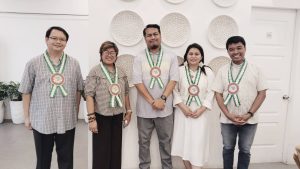
designate Dhen M. Roquero once attended a tourism and festivities seminar in Cebu where the concept of the festival was developed. Originally, the plan was to call it the Banig Festival, but it was later finalized as the Bariw Festival. Through the years, the festival continuously evolved with innovations such as special awards, barangay clustering, and thematic presentations, yet its essence remained rooted in showcasing the artistry, culture, and identity of Nabas through bariw.
Bariw is something truly distinct to Nabas, placing it alongside the renowned piña of Aklan. What sets bariw apart from other One Town, One Product initiatives is its humble beginning as woven mats or banig before evolving into a world-class export product and an integral part of the lifestyle of Nabasnons. Today, bariw has evolved into a variety of products such as bags, hats, fans, accessories, home décor, and alternative fashion pieces that not only fascinate consumers but also symbolize the ingenuity and artistry of its people.
Over the years, bariw has become more than a product; it has become a prevailing symbol of Nabas because it serves as a means of livelihood for many families. It represents the perseverance and creativity of local artisans whose craftsmanship transformed ordinary leaves into products recognized far beyond the municipality. Bariw weaving continues to sustain households, support education, and provide opportunities for communities whose lives are deeply connected to the industry.
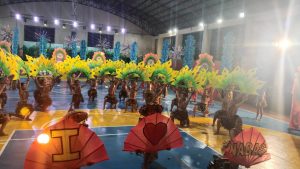
The dances of the Bariw Festival vividly portray how bariw leaves are harvested, dried, woven, and transformed into diverse products, showcasing not only creativity and durability, but also vibrant colors through modern dyeing methods and remarkable aesthetics. More importantly, these performances narrate stories of livelihood, resilience, and aspiration. Through music and choreography, the festival reflects how bariw contributes to providing for families, nurturing dreams, and preserving cultural identity across generations. Bariw has also positioned Nabas in the international market, with products reaching different countries and overseas Nabasnons proudly bringing them as pasalubong or showcasing them during social occasions abroad.
In the words of Mayor James, Nabas prioritizes tourism because it aims to attract both locals and foreigners, not only to help businesses flourish but also to establish Nabas as a place worth visiting and returning to, where everything is done out of love, faith, and devotion.
At the center of every Bariw Festival presentation are the people whose passion and dedication keep the tradition alive. Children and teenagers dance in unity despite differences in age, gender, and social status, demonstrating a shared love for culture and the arts. Equally admirable are the mentors and trainers who conceptualize the music, choreography, and movements, as well as the designers and artisans who create the gowns, men’s attire, accessories, costumes, headdresses, and banners. Their collective talent transforms every tribu performance into a brilliant masterpiece worthy of admiration.
The Bariw Festival is also a manifestation of the deep faith and devotion of Nabasnons to San Isidro Labrador, their patron saint. It is a tribute of honor and glory in thanksgiving for abundant blessings, spiritual guidance, and divine protection. Beyond the vibrant costumes, rhythmic dances, and festive celebrations lies a sacred offering of gratitude from a community whose lives have long been intertwined with faith, culture, and livelihood.
Behind the success of the Bariw Festival are the individuals who continue to preserve and elevate the tourism, culture, and arts of Nabas. Tourism Officer Bryan Nepomuceno Briones, together with the staff of the Nabas Tourism and Cultural Affairs Office, continues to exemplify dedication in ensuring that bariw gains the recognition it deserves as both a cultural and economic treasure of the municipality. Their commitment, hard work, and passion contribute greatly to sustaining and strengthening the legacy of the Bariw Festival for future generations.
Bariw is not only a symbol of Nabasnon pride but also an heirloom of greatness woven by the hands of people who transformed simple leaves into cascades of life. Through bariw, stories of poverty alleviation, personal achievements, professional milestones, and even global recognition continue to unfold.
Bariw continues to weave together the lives of Nabasnons from different walks of life regardless of status or background. It connects communities through heritage and livelihood, strengthens the sense of belonging through historical awareness, and nurtures relationships among generations. Bariw has become a bridge between the old and the young—a living proof that the circle of life continues to flourish in the very town of Nabas.
Indeed, the Bariw Festival is more than just a celebration. It is a reflection of identity, resilience, artistry, faith, and unity. It is a priceless experience that leaves a lasting imprint not only on those who witness it, but most especially on the people whose lives have been shaped by the very leaves that once seemed ordinary yet became extraordinary through the hands and hearts of Nabasnons.
And as every proud chant of “Pangibabaw Nabas” echoes through the streets and stages of the town, one truth remains undeniable: the Bariw Festival is not merely a tradition, but a timeless legacy woven with love, devotion, culture, and the enduring spirit of the people of Nabas.