Commentary
Ati-Atihan Has Everything—Except Tourists


By: Guillermo Sumbiling
Every January, something magical happens in Kalibo.
The quiet streets of this provincial capital start to hum. Then they beat. Then they explode. Drums echo through the alleys, paint brushes come out, ukay-ukay vendors set up camp, and somewhere between a street corner and a basketball court, a beauty contestant is crowned.
This is not just a festival. It’s not even just a celebration. Ati-Atihan is Kalibo’s heart in full parade mode—holy, wild, messy, musical, and beautiful.
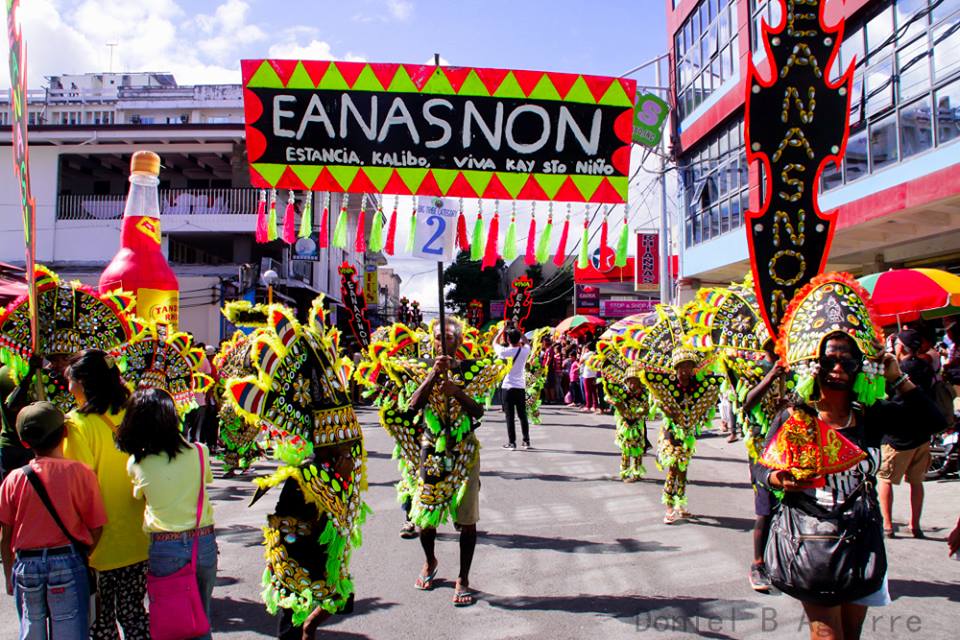
It has everything. Beauty pageants with shining tiaras and proud mothers. Tribal warriors in feathers and body paint, marching to centuries-old beats. A religious procession that weaves through the town like a prayer in motion. Lechon spinning beside Santo Niño statues. Red Horse bottles clinking beside rosaries. Street food, street dancing, and—by the next morning—a few unforgettable hangovers.
And yet, somehow, in the middle of all this joy… there are barely any tourists.
You’d think a festival with this much soul and spectacle would be swarming with foreign guests. That flights would be packed, that guidebooks would call it a must-see. But more often than not, it’s just us. Aklanons. Balikbayans. Curious neighbors from Iloilo or Cebu.
Occasionally, a couple of tourists will wander through—camera in hand, eyes wide with a mix of wonder and confusion. They take a few photos of the parade. They smile politely when a local invites them to dance. They try the street food, nod to the beat, and then quietly retreat back to their hotel. Sometimes they love it. Other times, they leave not quite knowing what they just witnessed.
Because here’s the truth: what makes Ati-Atihan special for us is exactly what makes it so hard for outsiders to understand.

To us, it’s natural that a tribal performance might suddenly give way to a TikTok dance break. That a solemn prayer might share the street with a street band playing “Dancing Queen.” That the beauty queen passes by wearing a glittery gown while behind her, dancers covered in black soot chant and drum like warriors of old.
To us, this makes perfect sense. This is the halo-halo culture we love—faith and fun, past and present, all in one noisy, joyful bowl.
But to someone seeing it for the first time? It’s a lot.
It’s not that tourists don’t enjoy the festival. It’s that they don’t know what they’re looking at. There’s no script, no clear entry point. The schedule is published, yes—but the real magic happens between the lines. The spontaneous dancing. The laughter shared with strangers. The moments that aren’t announced, but simply happen.
And without someone to explain, to guide, to connect the pieces—many tourists walk away thinking they missed something.
That’s the contradiction: Ati-Atihan is too authentic to be a performance, and too chaotic to be a tourist product. And that’s also the gift.
But maybe, just maybe, it’s time we helped people outside Kalibo understand the gift we’ve been enjoying for generations.
Not by turning it into a polished show, or by stripping away its heart. No—Ati-Atihan should always be for the people. For the spontaneous, the soulful, the silly, the sacred.
But what if we gave it a voice that the world could hear?
What if we told its story—not just in loud music and painted faces—but in words, in guides, in gestures that welcomed tourists in instead of letting them feel like outsiders?
What if we helped them see that the beauty queen and the tribal dancer, the Santo Niño and the beer cooler, all belong in the same story—a story of resilience, of faith, of joy that dances through crisis and celebrates life no matter what?
Because that’s what Ati-Atihan really is.
It’s not just a festival. It’s how we show the world that life, in all its mess and beauty, is worth dancing for.
So yes, Ati-Atihan has everything—
everything but tourists who truly get it.
But that can change.
Let’s keep the noise, the contradictions, the color, the soul.
Let’s keep it Aklanon, proudly and loudly.
But let’s start telling the story, too.
Because the world is missing out.
And if they only knew what they were missing, they’d be dancing with us.
Viva Señor Santo Niño! Viva Kalibo!