Commentary
Celebrating the Feast of Sto. Niño: A Reflection of Filipino Faith and Resilience


Unfiltered Views
By Ricky Bautista
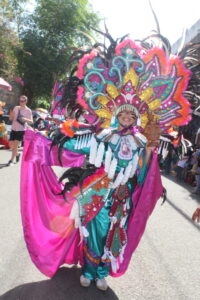
This week, Filipinos across the nation are celebrating the Feast of Sto. Niño, a religious and cultural festival that holds a special place in the hearts of many. This annual celebration, marked by vibrant Sinulog and Ati-Atihan parades, colorful costumes, and lively street dances, is not just a display of religious devotion but also a reflection of the resilience and faith deeply embedded in the Filipino spirit.
The Feast of Sto. Niño, celebrated on the third Sunday of January, is one of the most widely anticipated festivals in the Philippines. It is a time when devotees pay homage to the Child Jesus, known as the Holy Infant or Santo Niño, through prayers, processions, and various cultural performances. The image of Sto. Niño is adorned with intricate clothing and jewelry, reflecting the deep reverence and love Filipinos have for this symbol of innocence and hope.
At its core, the Feast of Sto. Niño is a celebration of faith and spirituality. For many Filipinos, devotion to Sto. Niño goes beyond religious rituals; it is a source of strength and inspiration in times of adversity. The Sto. Niño is often seen as a symbol of hope, particularly in the face of challenges and hardships. This celebration serves as a reminder of the enduring faith that sustains the Filipino people, even in the midst of trials.
Moreover, the Feast of Sto. Niño is a testament to the rich cultural heritage of the Philippines. It is a showcase of the country’s diverse traditions and customs, blending religious fervor with artistic expression. The colorful parades and street dances, accompanied by traditional music and performances, highlight the creativity and passion of the Filipino people.
In recent years, the Feast of Sto. Niño has also become an opportunity to promote tourism and showcase the unique cultural identity of different regions in the Philippines.
Festivities in Cebu, Iloilo and Aklan, for example, draw thousands of local and foreign tourists, boosting the local economy and providing a platform for cultural exchange.
Meanwhile, in Samar and Leyte Provinces, I also witnessed how the Warays celebrate the occassion through fluvial parades – a line up of wooden bancas led by a bigger sea vessel carrying the image of Sto. Niño while people at the piers and shores are waiving. Cultural dances and competitions, and other religious activities were also held.
However, amidst the festivities and celebrations, it is important to remember the essence of the Feast of Sto. Niño. Beyond the outward displays of faith and culture, this occasion is a time for introspection and renewal of one’s spiritual commitment. It is a reminder to embody the virtues of humility, simplicity, and childlike faith that Sto. Niño represents.
As we celebrate the Feast of Sto. Niño this week, let us take this opportunity to reflect on the values it embodies and rekindle the flame of faith in our hearts. May this celebration serve as a source of inspiration and strength for all Filipinos, reminding us of our resilience and unwavering spirit in the face of life’s challenges.
Pit Senyor!