Commentary
Handcuffs for Verses: Why This Arrest Threatens Free Expression

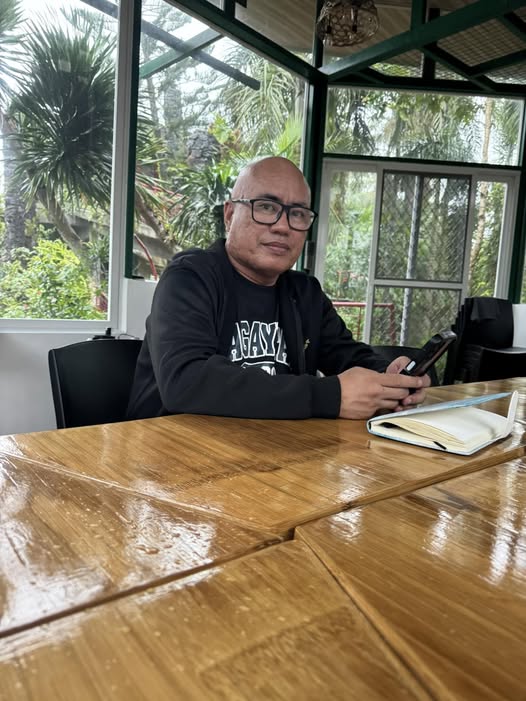

The arrest of radio broadcaster and station manager Erwin “Ambo” Delilan on the night of January 19, 2026, serves as a stark reminder of the fragile state of press freedom when legal processes are utilized in a manner that suggests intimidation rather than the simple pursuit of justice.
We recognize the right of any complainant to seek legal remedy and the duty of authorities to enforce lawful court orders.
We also stress that when a case is intertwined with commentary and reporting on public affairs, the state bears a heightened responsibility to ensure that legal processes are not perceived – nor used – as tools of intimidation against critical journalism.
Publicly reported concerns about due process, including questions over where the subpoena was served and the late-night execution of the arrest, merit clear explanation from authorities and careful review to ensure that Delilan’s constitutional rights were fully respected.
But anent to these concerns and views, we would like to spotlight some crucial and vital issues in Mr. Delilan’s case.
Due process and procedural ‘irregularities’ Reports regarding the service of the warrant raise serious concerns about the adherence to due process. Serving a warrant at 11:00 PM for a case of “unjust vexation” – a light secondary offense – is a heavy-handed tactic that mirrors historical patterns of harassment against critical voices.
Furthermore, the claim that the subpoena was sent to an inactive address in Barangay Cudangdang, rather than Delilan’s known current residence, effectively stripped him of his right to reply at the preliminary stage. This procedural lapse prevented a fair opportunity for legal recourse before the case reached the warrant stage, suggesting a calculated effort to ensure an arrest rather than a resolution.
Binalaybay and public interest
At the heart of this case is Delilan’s use of Binalaybay (traditional Hiligaynon poems) to critique the Negros Occidental provincial government. Journalism takes many forms—satire, poetry, and commentary are essential tools for holding power to account.
When creative and journalistic expressions concerning public funds and governance are met with criminal charges, it creates a “chilling effect.” Using the law to penalize a journalist for his “journalistic style” or his choice of medium is an affront to the constitutional guarantee of free expression.
Solidarity and call for transparency
We emphasize that journalists are not above the law, but they are entitled to protection from harassment, selective enforcement, and actions that effectively silence scrutiny of officials funded by public money.
We stand with the National Union of Journalists of the Philippines (NUJP-NIR) and the Kapisanan ng mga Brodkaster ng Pilipinas (KBP)–Negros Occidental in their vigilance. We echo their calls for:
Procedural Transparency: An explanation from authorities regarding the timing and address discrepancies in the service of the subpoena. Protection from Harassment: A demand that the courts ensure legal mechanisms are not weaponized to silence critical reportage. Respect for Rights: The dignified treatment of Mr. Delilan as he exercises his right to bail and legal defense.
The ethical mandate: Rights and responsibilities In defending the rights of journalists, we also reaffirm the weight of our responsibilities. The protection of the law is most effective when journalists adhere to the highest ethical standards.
This case serves as a timely reminder for the community to remain beyond reproach by:
Avoiding Conflicts of Interest: Ensuring that personal or political affiliations do not compromise the independence of our reportage and commentaries. One such example are media workers moonlighting as consultants or operators to politicians. Resisting Compromising Practices: Maintaining a clear line between public service and private gain to uphold the credibility of the profession.
Veracity and Fairness: Ensuring that even the most biting satire or critique is rooted in truth and serves the public interest rather than personal animosity. A journalist who operates with integrity is harder to silence. By upholding these ethical safeguards, we protect not only our individual reputations but the collective integrity of the press.
While all citizens, including journalists, are subject to the law, the law must never be used as a tool for silencing dissent. The pursuit of accountability by the provincial government must not come at the expense of the democratic right to question authority. We will continue to monitor this case closely, ensuring that the light of the press in Negros is not dimmed by procedural shadows.