Agriculture
Why Aklan’s Farmers Should Bet Big on Kalabasa

By Guillermo Sumbiling
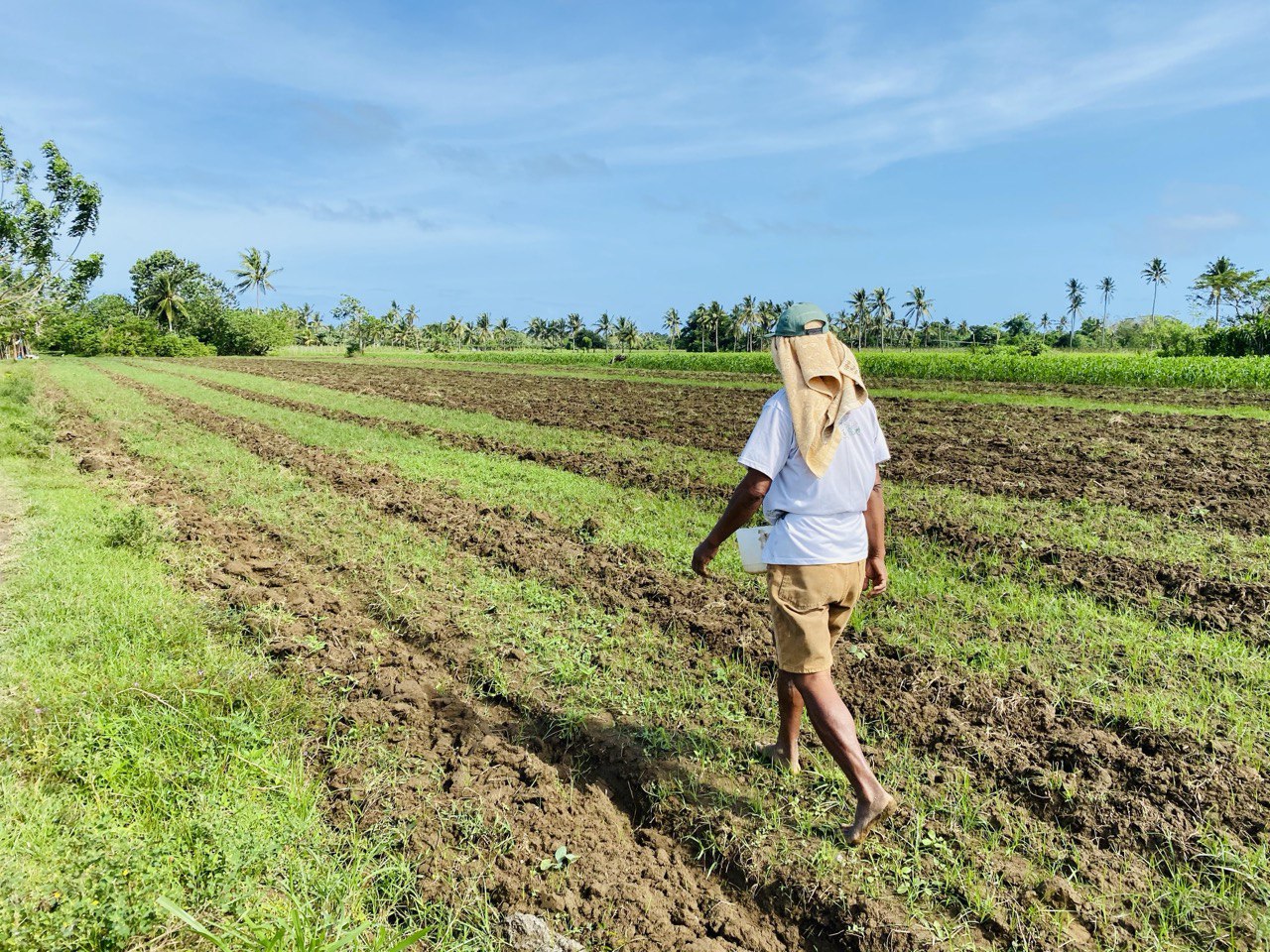
KALIBO, Aklan- The riverbanks of Aklan and the sweeping fields of Antique and Iloilo are holding a golden secret: the kalabasa. For the modern Panay farmer, this vibrant crop is no longer just a backyard staple; it is a high-value ticket to economic resilience and regional pride.
The revival of the Nutribun program and school-based supplementary feeding has created a massive, steady hunger for squash. Rich in Vitamin A and vital plant proteins, kalabasa is the soul of these nutritional interventions. By investing in large-scale production, farmers aren’t just tilling soil; they are directly fueling the growth of undernourished learners across the region. With Aklan currently facing a supply gap, the opportunity to fill these government contracts is immense.
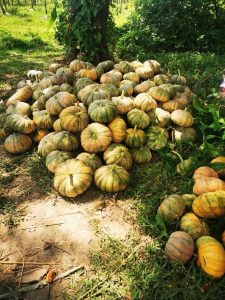
Beyond the classroom, the world-famous shores of Boracay present a lucrative secondary frontier. The island’s high-end resorts and bustling local eateries demand a constant flow of fresh, premium produce. By strategically planting in the “window” between rainy seasons, farmers can hit the tourist market when prices are most favorable. The rich, alluvial soil along Aklan’s river systems provides the perfect drainage and nutrients to produce the heavy, sweet squash that chefs and households alike crave.
Transitioning to squash production offers a lifestyle of stability. It is a hardy crop that fits perfectly into a diversified farming calendar. While Iloilo and Antique continue to lead in hectares, Aklan’s potential remains the “undiscovered gold” of the west.
Investing in kalabasa is a rare trifecta: you support local health through the Nutribun, you tap into the high-spending Boracay market, and you ensure a steady income for your family. The soil is ready—it’s time for the seeds to be sown.